The world of botanical art is a fascinating one, where artists use their skills to capture the beauty and detail of the natural world. One such artist is
Mary Vaux Walcott, a talented watercolor painter who created stunning works of art featuring flowers and plants. Her painting,
Anemone canadensis, is a prime example of her skill and attention to detail.
A Closer Look at the Painting
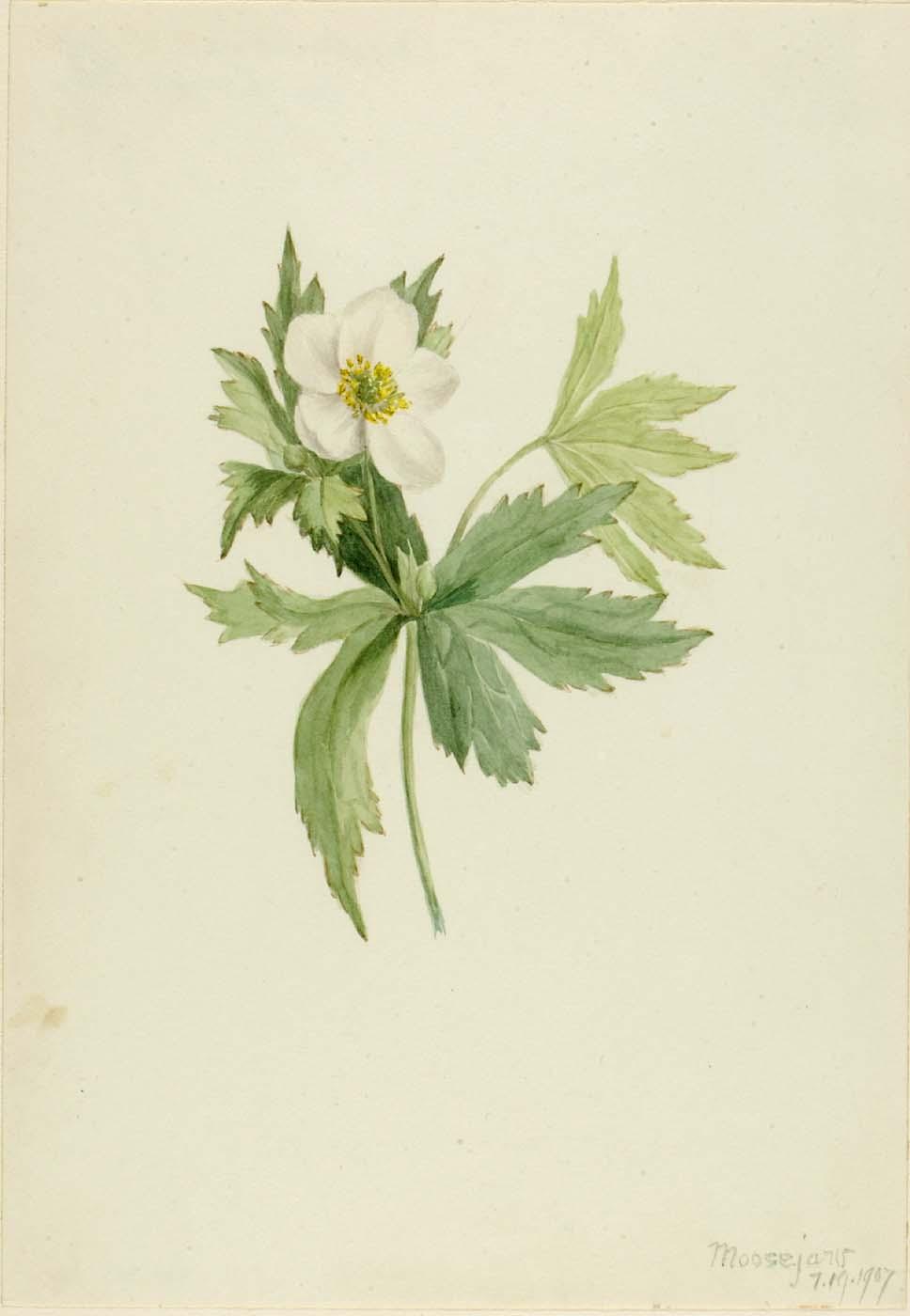
Anemone canadensis is a watercolor painting that measures 26 x 18 cm and is housed at the
Smithsonian American Art Museum. The painting features a single white flower with yellow centers, surrounded by delicate green leaves. The artist's use of subtle shading and delicate brushstrokes creates a sense of fragility and beauty.
Key Features of the Painting: - The painting is created using watercolor on paper
- The flower is depicted in exquisite detail, with delicate petals and a yellow center
- The leaves are rendered in soft greens, adding depth and complexity to the composition
The Artist's Technique
Mary Vaux Walcott's technique is remarkably precise, demonstrating her keen eye for detail and ability to capture the essence of her subject. The delicate brushstrokes and subtle shading create a sense of vitality and fragility, drawing the viewer's eye to the flower. For more information on
Mary Vaux Walcott and her work, visit
https://ArtsDot.com. To learn more about the
Smithsonian American Art Museum and its collection, visit
https://ArtsDot.com.
The
Anemone canadensis painting is a beautiful example of botanical art, showcasing the skill and attention to detail of
Mary Vaux Walcott. With its delicate petals and subtle shading, this painting is a must-see for anyone interested in botanical art.