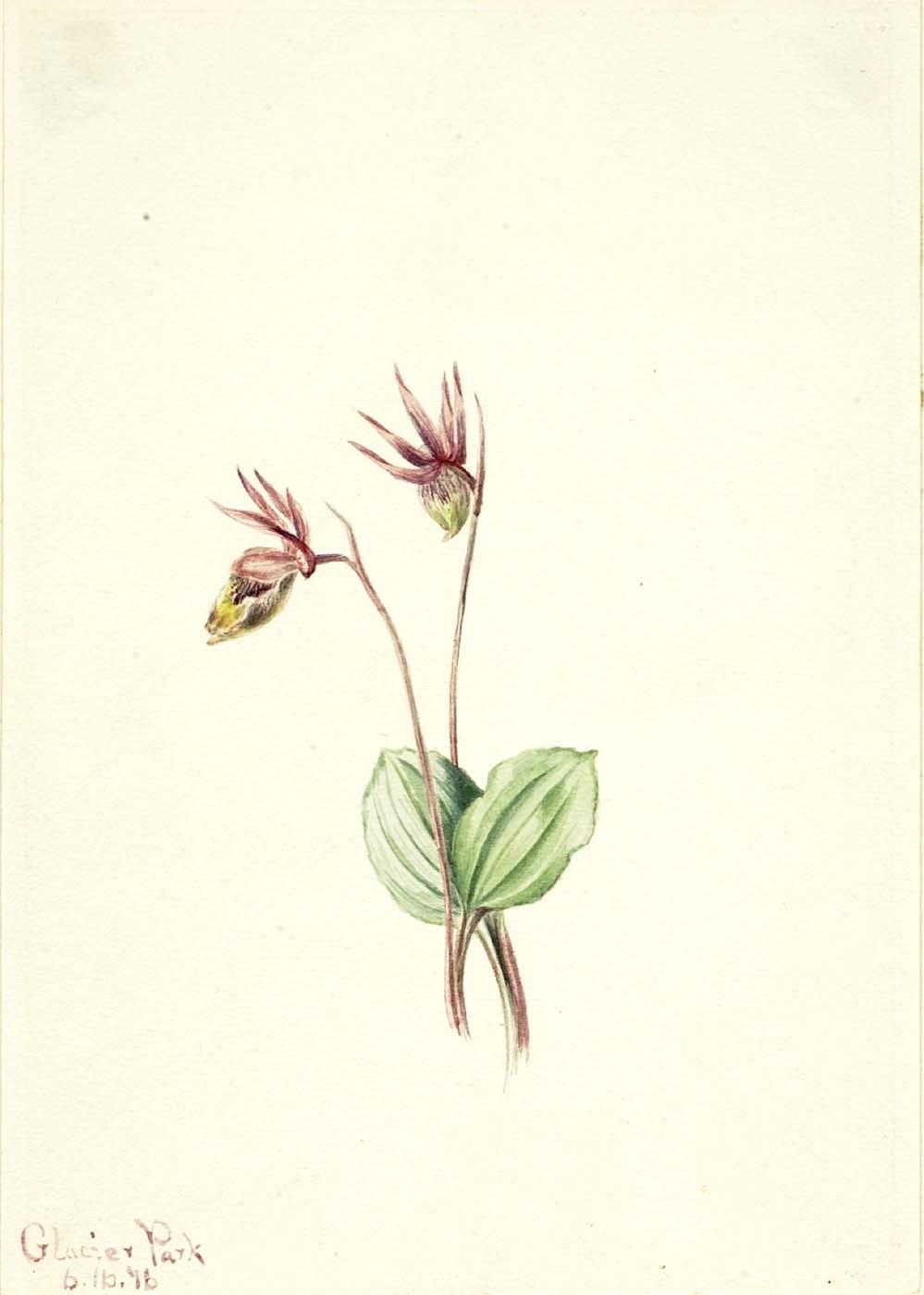
The painting
Calypso (Cytherea bulbosa) is a stunning watercolor artwork created by
Mary Vaux Walcott in 1916. Measuring 26 x 18 cm, this beautiful piece is housed at the
Smithsonian American Art Museum in the United States. As an expert in art and a salesman for
ArtsDot.com, I can appreciate the intricate details and delicate beauty of this painting.
The Artist's Background
Mary Vaux Walcott was an American artist and naturalist known for her watercolor paintings of wildflowers. She is often referred to as the "Audubon of Botany" due to her exceptional talent in capturing the beauty of botanical species. Her work has been widely recognized, and her paintings are considered some of the most important contributions to the field of botanical art.
Key Features of the Painting
The painting
Calypso (Cytherea bulbosa) features a beautiful pink flower with three petals, two on the left side and one on the right. The use of watercolor adds a sense of depth and vibrancy to the artwork, making it truly captivating. Some of the key features of this painting include:
- Delicate color palette: The soft pink hues used in the painting create a sense of serenity and calmness.
- Intricate details: The artist's attention to detail is evident in the delicate lines and shapes used to depict the flower.
- Beautiful composition: The placement of the flower on the page creates a sense of balance and harmony.
For more information on
Mary Vaux Walcott and her work, you can visit the
ArtsDot.com page dedicated to her paintings. You can also learn more about the
Smithsonian American Art Museum and its collections on
Wikipedia.
In conclusion,
Calypso (Cytherea bulbosa) is a stunning painting that showcases the talent and skill of
Mary Vaux Walcott. As a salesman for
ArtsDot.com, I highly recommend this piece to anyone who appreciates beautiful botanical art.