The
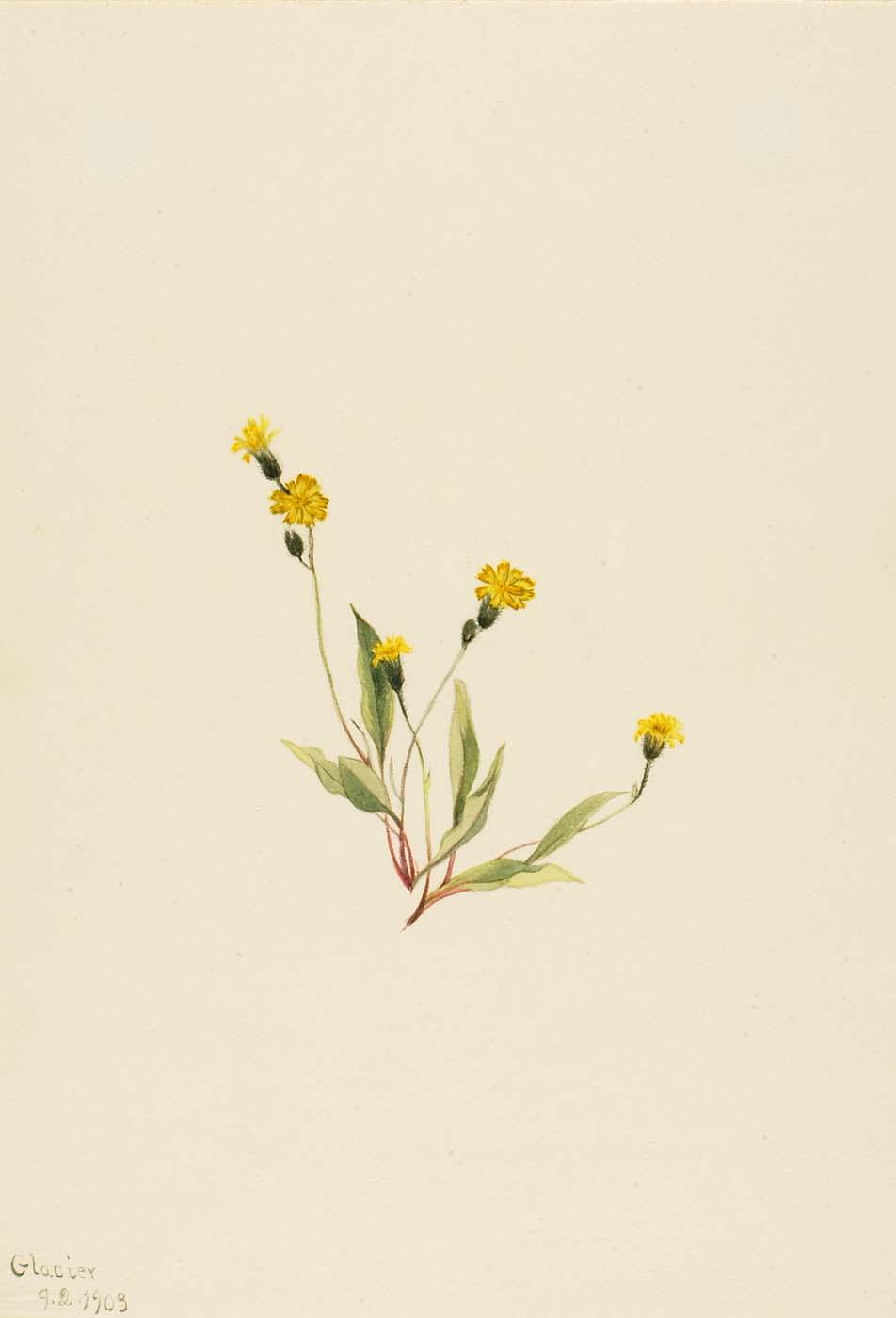
Heieracium gracile painting by
Mary Vaux Walcott is a stunning example of botanical art, showcasing the delicate beauty of the natural world. Created in 1903, this watercolor on paper piece measures 26 x 18 cm and is currently housed at the
Smithsonian American Art Museum in the United States.
A Brief Overview of the Artist
Mary Vaux Walcott was an American artist and naturalist, known for her exquisite watercolor paintings of wildflowers. Her work has been compared to that of Audubon, earning her the title "Audubon of Botany." With a career spanning several decades,
Mary Vaux Walcott created numerous pieces that showcased her talent and dedication to botanical art.
The Painting's Significance
The
Heieracium gracile painting is significant not only for its beauty but also for its historical value. It represents a rare species of flower, carefully captured by
Mary Vaux Walcott in her unique style. The level of detail and precision in the painting is a testament to the artist's skill and dedication to her craft.
- The painting features three yellow flowers on a stem with green leaves, set against a clean white background.
- The use of watercolor on paper gives the piece a delicate, ethereal quality.
- The Smithsonian American Art Museum has an extensive collection of Mary Vaux Walcott's work, including several other botanical paintings.
Handmade oil painting reproductions of the
Heieracium gracile are available on
https://ArtsDot.com, allowing art lovers to own a piece of history. For more information on
Mary Vaux Walcott and her work, visit the
Smithsonian American Art Museum website or explore the
Mary Vaux Walcott page on ArtsDot.com.
The
Heieracium gracile painting is a must-see for anyone interested in botanical art or the natural world. Its delicate beauty and historical significance make it a truly unique piece, and its availability as a handmade oil painting reproduction makes it accessible to art lovers around the world.