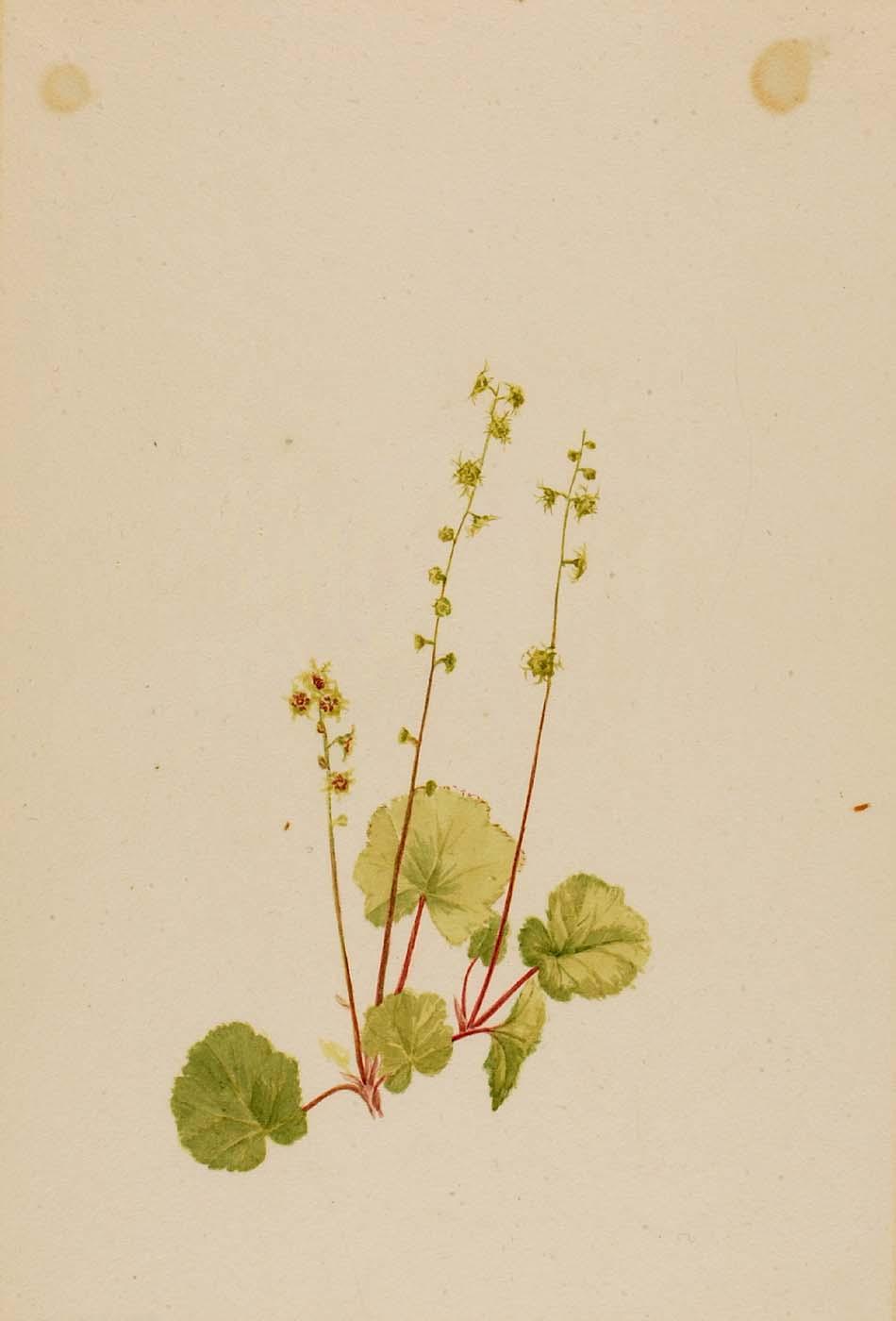
The
Mitella nuda painting by
Mary Vaux Walcott is a stunning example of botanical art, showcasing the artist's exceptional skill in capturing the beauty of nature. Created in 1920, this watercolor on paper piece measures 25 x 18 cm and is part of the esteemed collection at the
Smithsonian American Art Museum.
The Artist's Background
Mary Vaux Walcott was an American artist and naturalist known for her watercolor paintings of wildflowers. She has been called the "Audubon of Botany" due to her meticulous attention to detail and her deep appreciation for the natural world. Her work can be found on
ArtsDot.com, where art enthusiasts can discover and purchase handmade oil painting reproductions of her pieces.
Botanical Art and Its Significance
The
Mitella nuda painting is a prime example of botanical art, which involves the detailed and accurate depiction of plants and flowers. This style of art requires great skill and attention to detail, as well as a deep understanding of the subject matter.
Botanical art has been used for centuries to document and classify plant species, and it continues to be an important part of the art world today.
Conclusion: The
Mitella nuda painting by
Mary Vaux Walcott is a masterpiece of botanical art that showcases the artist's exceptional skill and attention to detail. As part of the
Smithsonian American Art Museum collection, it continues to inspire and educate art enthusiasts around the world. For more information on botanical art and to discover other works by
Mary Vaux Walcott, visit
ArtsDot.com.