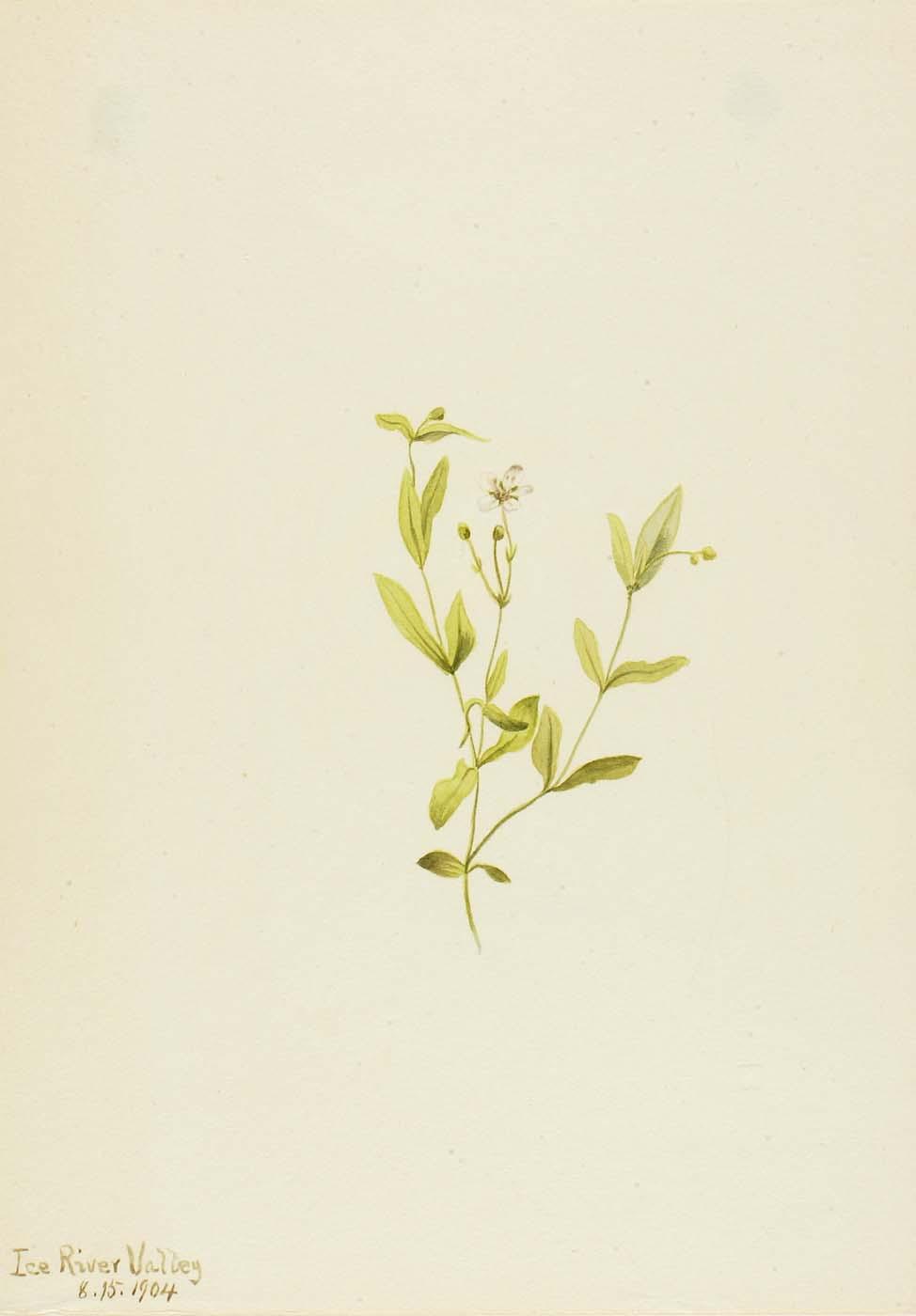
The
Mary Vaux Walcott painting,
Moehringia laberiflora, is a stunning example of botanical art. Created in 1904, this watercolor on paper piece measures 26 x 18 cm and is housed at the
Smithsonian American Art Museum. This beautiful artwork showcases the artist's exceptional skill in capturing the intricate details of the natural world.
Artist Background
Mary Vaux Walcott was an American artist and naturalist known for her watercolor paintings of wildflowers. She has been called the "Audubon of Botany." Her work is characterized by its accuracy and beauty, making her one of the most renowned botanical artists of her time.
The Painting
The
Moehringia laberiflora painting is a prime example of
Mary Vaux Walcott's skill as an artist. The level of detail and precision in the painting is impressive, with each petal and leaf carefully rendered. The use of watercolor on paper adds a sense of delicacy and fragility to the piece, which suits the subject matter perfectly.
Handmade oil paintings reproductions of
Moehringia laberiflora are available on
https://ArtsDot.com, allowing art lovers to own a piece of this beautiful artwork. For more information on
Mary Vaux Walcott and her work, visit the
Mary Vaux Walcott page on ArtsDot.com or check out her biography on
Wikipedia.
The
Moehringia laberiflora painting is a must-see for anyone interested in botanical art or the work of
Mary Vaux Walcott. Its beauty and detail make it a standout piece, and its availability as a handmade oil painting reproduction makes it accessible to art lovers around the world.