The
Mary Vaux Walcott painting,
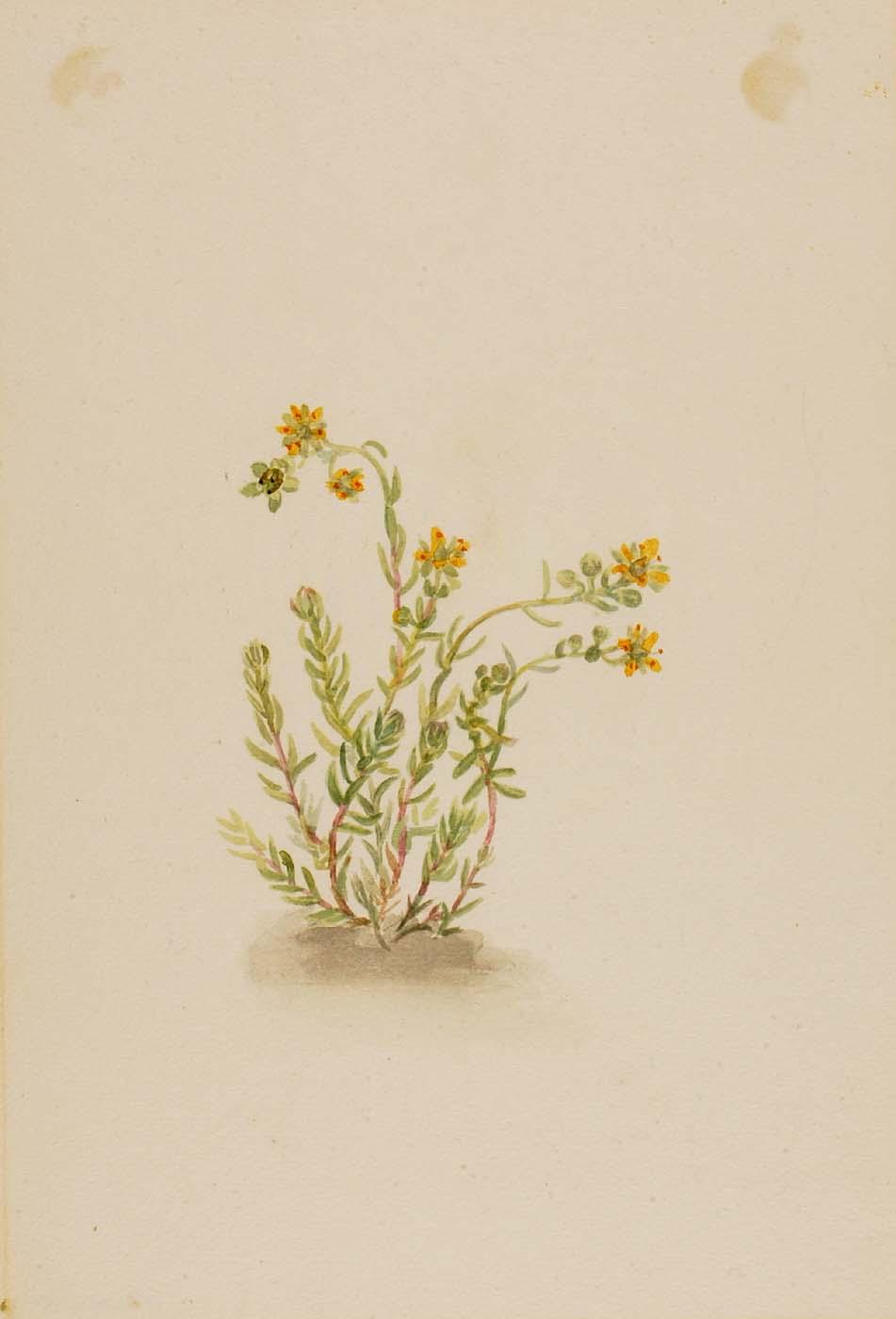
Sedum stenopetalum, is a stunning example of botanical illustration. Created in 1918, this watercolor on paper measures 25 x 18 cm and is housed at the
Smithsonian American Art Museum. The artwork showcases Walcott's exceptional skill in capturing the intricate details of the natural world.
A Closer Look at the Painting
The
Sedum stenopetalum painting features a delicate yellow flower with green leaves, set against a subtle background. The artist's use of watercolor creates a sense of softness and fragility, highlighting the beauty of the plant. Walcott's attention to detail is evident in the way she has captured the texture and color of the sedum, making it seem almost lifelike.
Key Features of the painting include:
- The delicate yellow flowers, which are rendered in exquisite detail
- The green leaves, which provide a beautiful contrast to the yellow blooms
- The subtle background, which allows the viewer to focus on the plant itself
The
Mary Vaux Walcott painting is not only a beautiful work of art but also an important example of botanical illustration. For more information on this style of art, visit
ArtsDot.com and explore the world of handmade oil painting reproductions.
Other notable works by
Mary Vaux Walcott include
Yellow Stonecrop (Sedum stenopetalum) and
Bog Kalmia (Kalmia polifolia), both of which are available to view on
ArtsDot.com. To learn more about the artist and her work, visit the
Smithsonian American Art Museum website.
The
Sedum stenopetalum painting is a testament to Walcott's skill as an artist and her ability to capture the beauty of the natural world. With its delicate flowers and subtle background, this artwork is sure to delight anyone who sees it.