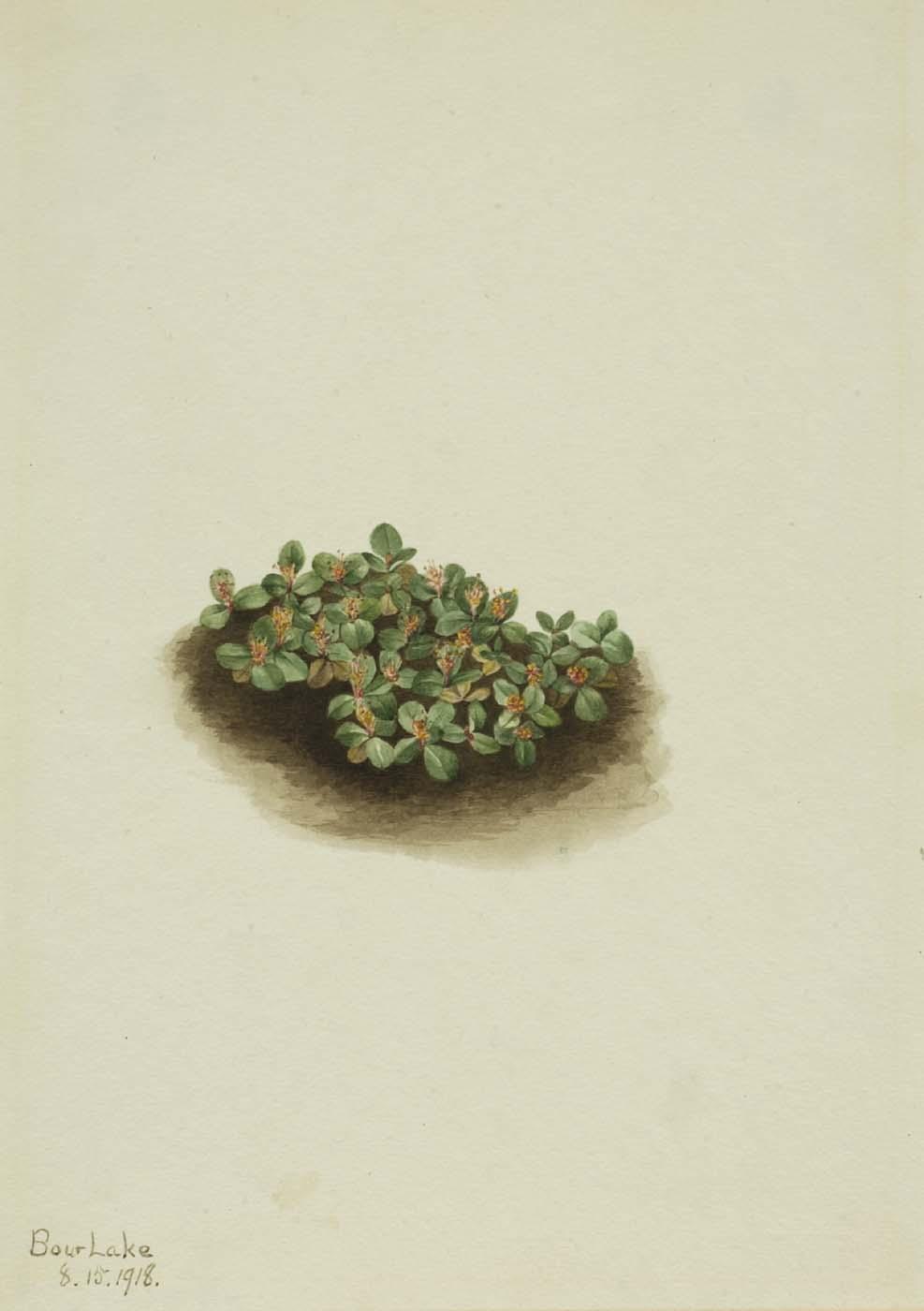
The world of botanical art is a fascinating one, where artists use their skills to capture the beauty and detail of the natural world. One such artist is
Mary Vaux Walcott, an American artist known for her stunning watercolor paintings of flowers and plants. One of her most notable works is
Snow Willow (Salix nivalis), a beautiful example of botanical art.
Botanical Art and its Significance
Botanical art has been around for centuries, with artists using their skills to document and illustrate the natural world. This type of art requires great attention to detail and a deep understanding of the subject matter.
Mary Vaux Walcott's work is a perfect example of this, with her paintings showcasing the beauty and complexity of the natural world.
Key Features of Snow Willow Some key features of
Snow Willow (Salix nivalis) include:
- The use of watercolor to create a delicate and detailed image
- The attention to detail in the painting, with each branch and leaf carefully rendered
- The beautiful color palette used in the painting, with shades of green and brown dominating the image
Conservation and Preservation
The
Smithsonian American Art Museum is home to many of
Mary Vaux Walcott's paintings, including
Snow Willow (Salix nivalis). The museum plays an important role in the conservation and preservation of these works of art, ensuring that they are protected for future generations. You can learn more about the museum's collection and conservation efforts on the
ArtsDot.com website. For those interested in learning more about botanical art and the work of
Mary Vaux Walcott, there are many resources available. The
ArtsDot.com website has a wealth of information on the subject, including articles and images of botanical art. Additionally, the
Smithsonian American Art Museum website provides information on the museum's collection and exhibitions.
You can also find more information about
Mary Vaux Walcott on
ArtsDot.com and wikipedia.