The
Smithsonian American Art Museum is home to a stunning collection of botanical watercolors, including
Mary Vaux Walcott's exquisite
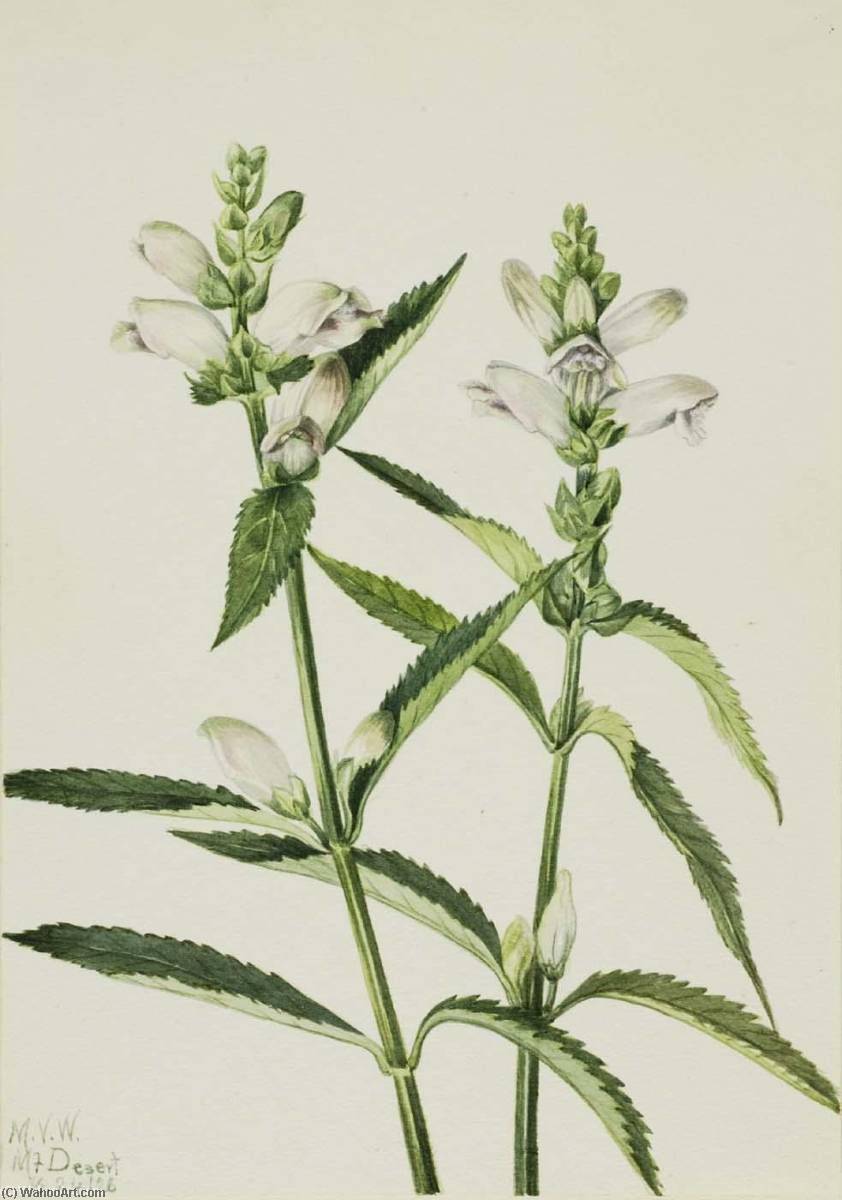
Turtlehead (Chelone glabra). Created in 1926, this delicate painting showcases the artist's mastery of watercolor techniques and her deep appreciation for the natural world.
A Closer Look at the Painting
Mary Vaux Walcott's
Turtlehead (Chelone glabra) is a beautiful example of botanical art, featuring two main flower stems with white flowers and green leaves. The painting's attention to detail and subtle color palette make it a standout piece in the
Smithsonian American Art Museum's collection.
Artist and Style
Mary Vaux Walcott was a talented artist known for her botanical watercolors, and
Turtlehead (Chelone glabra) is one of her most notable works. Her style is characterized by delicate lines, subtle color gradations, and a deep understanding of the natural world.
- Watercolor techniques: Mary Vaux Walcott was a master of watercolor, using the medium to create intricate and detailed paintings.
- Botanical accuracy: Her paintings are notable for their botanical accuracy, showcasing her deep understanding of the natural world.
- Naturalistic style: Mary Vaux Walcott's style is characterized by a naturalistic approach, capturing the beauty and complexity of the natural world.
For those interested in learning more about
Mary Vaux Walcott and her work, visit
Mary Vaux Walcott's Turtlehead (Chelone glabra) on ArtsDot.com. The
Smithsonian American Art Museum also offers a range of resources and exhibitions featuring botanical art, including works by
Mary Vaux Walcott.