Christ of Saint John of the Cross is a 1951 painting by Salvador Dalí featuring Jesus Christ suspended from an overhead gantry, embodying Dalí's fascination with physics and spirituality. Inspired by John of the Cross's drawing, it showcases a triangular composition symbolizing the Trinity and explores themes of unity and gravity.
Explore Matthias Grünewald's dramatic German Renaissance art! Known for the Isenheim Altarpiece & emotionally charged religious paintings. Discover his unique style at ArtsDot.
Explore 7 centuries of European art at Staatliche Kunsthalle Karlsruhe! Discover masterpieces by Dürer, Grünewald & Rembrandt in Germany’s oldest preserved museum. Currently undergoing renovation – check ZKM for highlights.
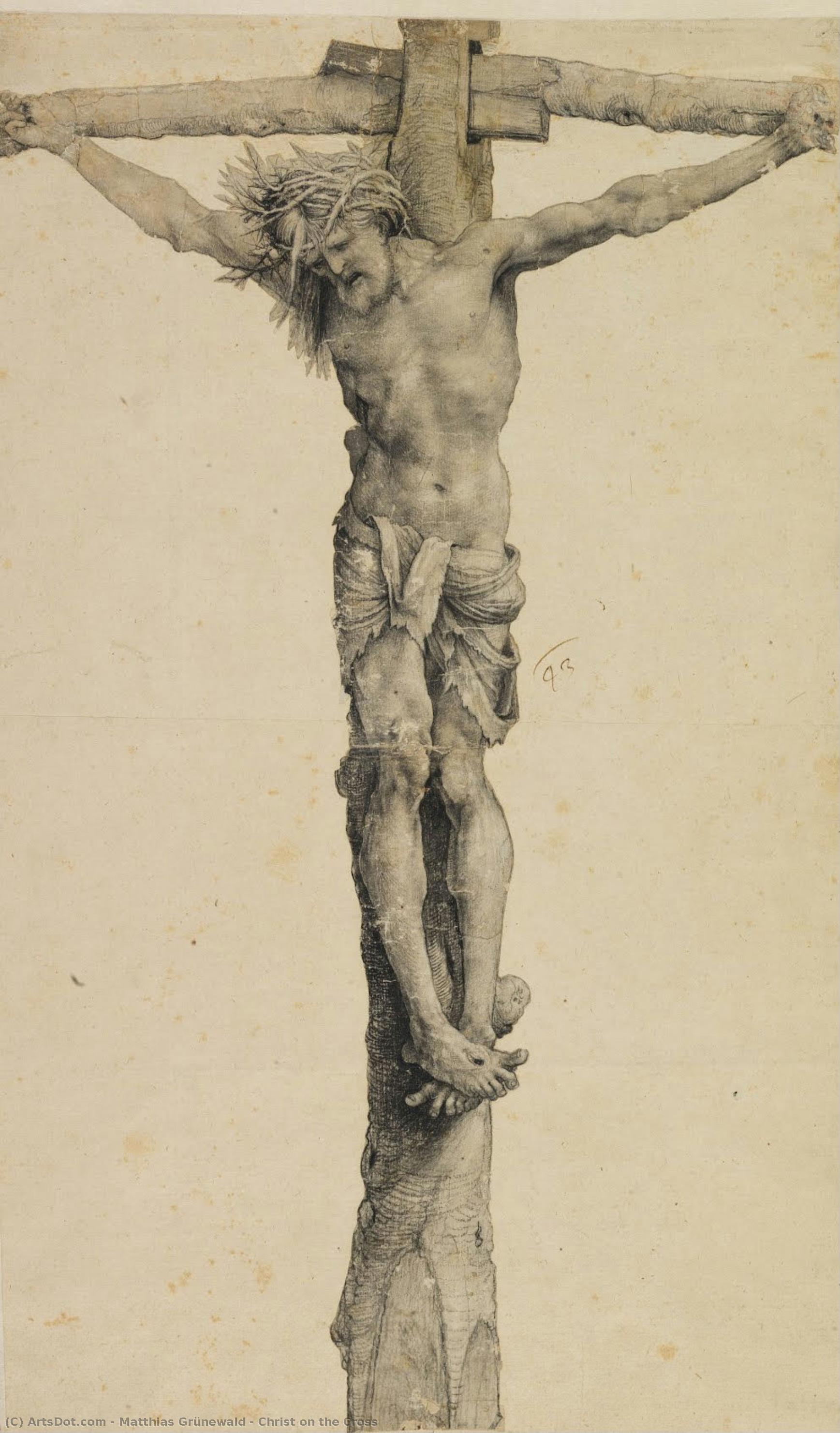
Christ on the Cross (detail from the central Crucifixion panel of the Isenheim Altarpiece)
The Isenheim Altarpiece, conceived by Matthias Grünewald around 1515, stands as a monumental testament to Northern Renaissance artistic fervor and profound spiritual contemplation. More than just a depiction of Christ’s crucifixion—a subject rife with religious symbolism—it's an immersive experience for the viewer, achieved through Grünewald’s masterful manipulation of color, texture, and perspective. Located within the Saint Hildegard Chapel of Marienkirche in Obernai, Alsace, France, this masterpiece continues to captivate audiences centuries after its creation, prompting ongoing scholarly debate about its artistic innovations and psychological depth.
A Symphony of Color and Texture
Grünewald’s technique distinguishes itself dramatically from the polished idealism favored by Italian Renaissance artists. Instead, he employed a gritty, expressive charcoal underdrawing that established a stark contrast with the luminous white heightening applied to illuminate key figures—primarily Christ himself and Saint Mary Magdalene. This layering process wasn't merely about achieving visual clarity; it served as a conduit for conveying intense emotion. The artist painstakingly rendered skin tones with remarkable realism, capturing the palpable suffering endured by Jesus on the cross – wounds meticulously depicted with unsettling detail. Furthermore, Grünewald utilized pigment pastes mixed with resin and crushed stone to create textures that mirrored the rough surface of wood—a deliberate choice reflecting the altarpiece’s original setting within a hospice for tuberculosis patients. The visual impact is visceral; viewers are confronted not merely with an image but with a palpable sense of pain and vulnerability.
Historical Context: Suffering and Redemption
The Isenheim Altarpiece emerged during a period marked by significant upheaval in Europe—the Protestant Reformation was gaining momentum, challenging the authority of the Catholic Church. Grünewald’s commission came from Johann Reinhard Fürstenberg zu Hohenlohe-Schillingsfürst, a devout Benedictine monk who sought to inspire solace and hope amongst his patients battling tuberculosis. The altarpiece's iconography draws heavily upon medieval Christian symbolism—the crucified Christ embodies divine sacrifice and redemption, while Mary Magdalene represents repentance and compassion. The inclusion of Saint John the Evangelist, depicted in an unflattering portrayal reflecting the artist’s own anxieties about mortality, underscores the pervasive preoccupation with death and resurrection during this era. Grünewald's work reflects a deeply felt spiritual conviction—a belief that art could serve as a vehicle for confronting suffering and affirming faith.
Symbolism Beyond Representation
Beyond its immediate depiction of Christ’s agony, the Isenheim Altarpiece is replete with symbolic elements designed to evoke profound psychological responses. The grotesque figures flanking Christ – Saint Mary Magdalene and Saint John the Evangelist – are rendered in unsettling detail, mirroring the physical deformities associated with tuberculosis. Grünewald deliberately distorted their features to heighten emotional impact, forcing viewers to confront uncomfortable truths about human vulnerability. The depiction of thorns piercing Christ’s crown symbolizes humiliation and suffering, while the wounds on his body represent divine sacrifice and atonement for sins. Even the landscape—a bleak, desolate expanse mirroring the hospice environment—contributes to the altarpiece's overall mood of melancholy and contemplation. Grünewald skillfully employed visual cues to communicate spiritual ideas beyond mere representation, creating a work that transcends its historical context and continues to resonate with audiences today.
Emotional Resonance: A Window into Suffering
The enduring power of the Isenheim Altarpiece lies in its ability to evoke empathy and provoke introspection. Grünewald’s masterful use of color and texture—particularly the stark contrast between dark charcoal underdrawings and luminous white heightening—creates a dramatic visual experience that compels viewers to confront the realities of human suffering. The artist's unflinching portrayal of Christ’s wounds serves as a poignant reminder of mortality, prompting contemplation on themes of faith, repentance, and redemption. More than just an artistic achievement, the Isenheim Altarpiece represents a profound expression of humanist compassion—a testament to Grünewald’s conviction that art could offer solace and inspiration amidst adversity. Its legacy persists as one of the most emotionally resonant artworks of the Renaissance, securing its place in art history as a beacon of spiritual contemplation.