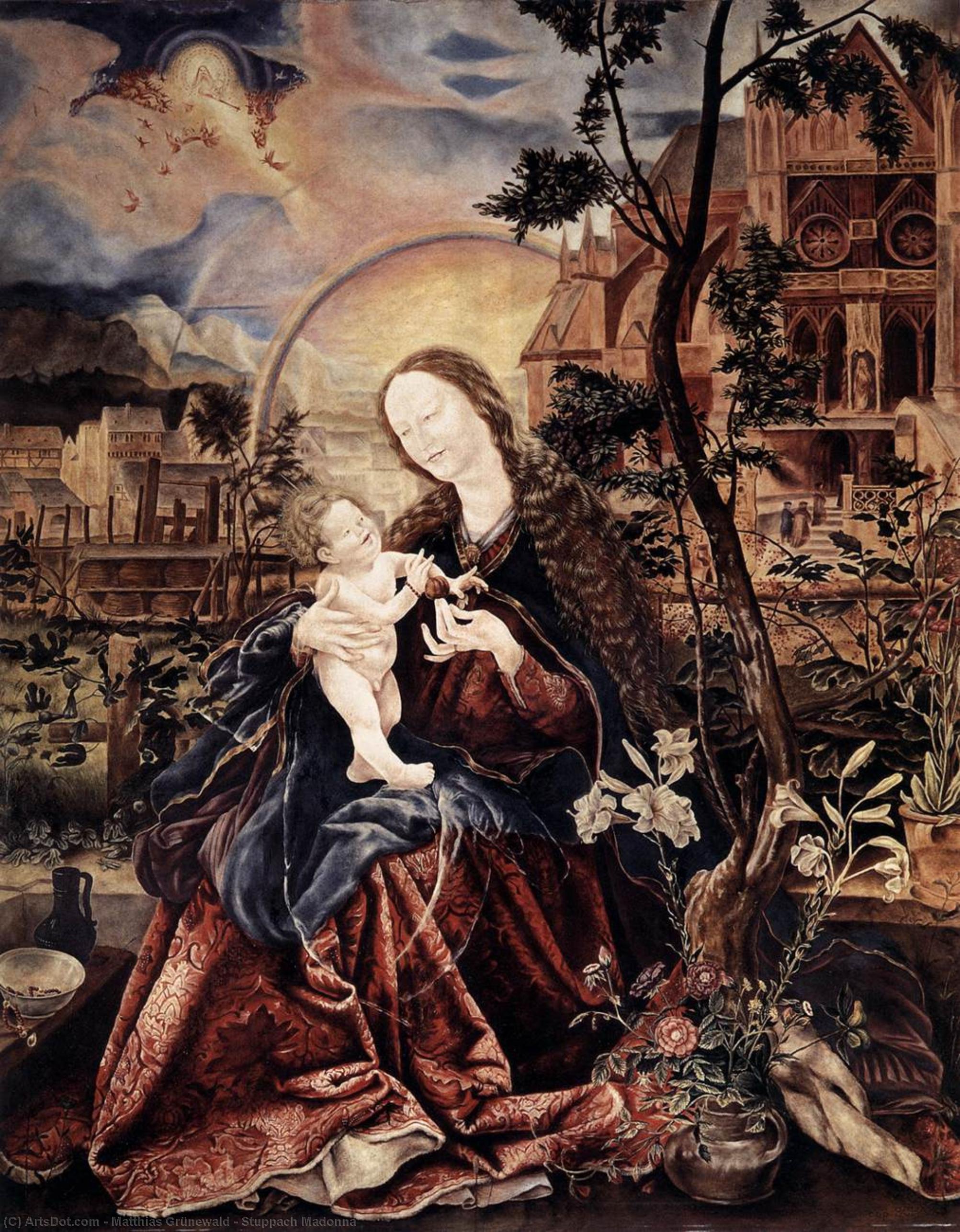
Experience Grünewald’s masterful Stuppach Madonna – a breathtaking depiction of Mary cradling Jesus amidst lush foliage, embodying profound emotion and capturing the spirit of 16th-century German art. Explore this iconic masterpiece and bring its timeless beauty into your home.
Stuppach Madonna – A Testament to Medieval Emotion
- Subject Matter and Narrative: The Stuppach Madonna depicts Mary cradling the infant Jesus amidst a serene woodland setting, capturing a quintessential image of maternal devotion and divine grace. This scene transcends mere representation; it embodies the spiritual heart of medieval piety—a profound connection between humanity and divinity expressed through visual storytelling.
- Style and Artistic Tradition: Grünewald’s masterpiece firmly establishes itself within the Gothic tradition, prioritizing emotional intensity over idealized beauty. Unlike the polished surfaces favored by Italian Renaissance artists, Grünewald employs a deliberately rough texture achieved through meticulous layering of oil paint—a technique that contributes significantly to the painting's dramatic impact.
- Technique and Material Considerations: Grünewald’s masterful use of oil paint is remarkable for its time. He painstakingly applied thin glazes over underlayers, creating depth and luminosity while simultaneously capturing the subtle nuances of light and shadow. The incorporation of tempera pigments—particularly in the drapery—adds to the painting's textural richness and enhances its visual appeal.
- Historical Context: Painted circa 1517, this Madonna stands as a poignant reminder of the artistic fervor preceding the Reformation. Grünewald’s work reflects the anxieties and aspirations of his era – a yearning for spiritual solace amidst turbulent political upheaval. The Stuppach Madonna served as an altar piece in St. Stephen's Cathedral in Passau, Bavaria, cementing its place within the architectural grandeur of the cathedral.
- Symbolism and Emotional Resonance: Beyond its depiction of Mary and Jesus, the painting is laden with symbolic significance. The trees surrounding the Madonna represent Paradise—a visual allusion to God’s eternal realm—while the bowl symbolizes nourishment and provision. Most powerfully, Grünewald's expressive portrayal conveys a palpable sense of compassion and tenderness, resonating deeply with viewers across centuries.
Interior Designers Note: The muted palette of earthy greens and browns evokes tranquility and reverence – ideal for creating serene spaces that inspire contemplation. Reproductions of this artwork can bring a touch of medieval artistry into modern interiors, fostering an atmosphere of warmth and spiritual connection.