Maurice Brazil Prendergast
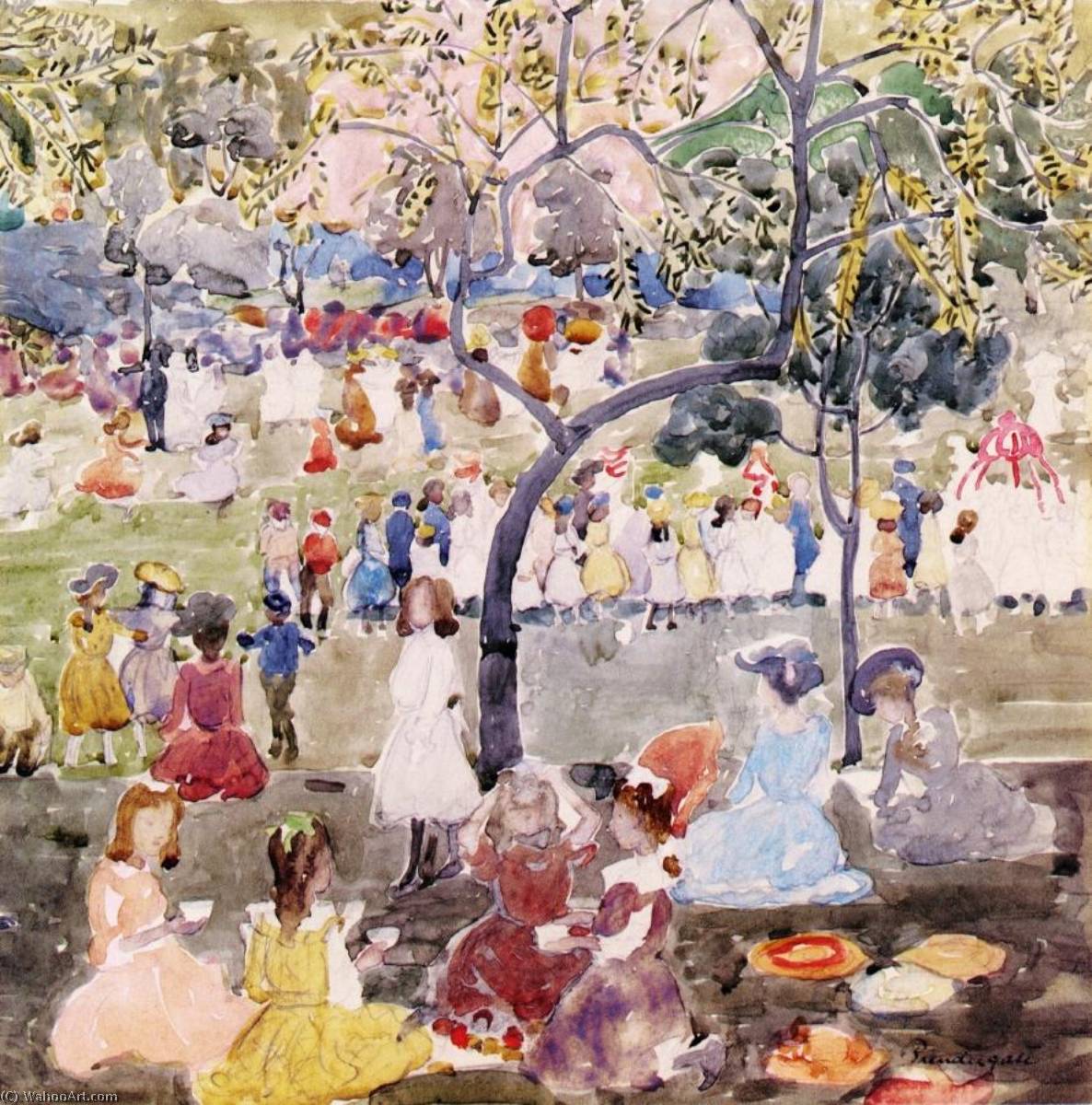
Experience the serene beauty of Maurice Brazil Prendergast's watercolor 'In the Park,' capturing a lively scene of people enjoying an idyllic day amidst foliage and shade.
Maurice Brazil Prendergast (1858-1924): Canadian-American Post-Impressionist painter celebrated for vibrant watercolors, scenes of modern life & mosaic-like style. Explore his art!
A Moment Captured in Watercolor Light – Exploring Maurice Brazil Prendergast’s “In the Park”
The watercolor painting "In the Park," created by Maurice Brazil Prendergast in 1894, isn't merely a depiction of a pleasant afternoon stroll; it’s a carefully constructed tableau that speaks volumes about the burgeoning aesthetic sensibilities of American modernism. Examining this artwork reveals layers of artistic innovation and subtle symbolic resonance within its deceptively simple composition.
The Artist’s Vision: Embracing Impressionistic Influence
Maurice Brazil Prendergast (1858-1924) emerged from an unconventional upbringing – his family's Newfoundland trading post instilled in him a profound appreciation for the raw beauty of untamed landscapes. This early exposure would prove invaluable as he transitioned to Boston and honed his artistic skills under the tutelage of a commercial artist, prioritizing color and pattern over rigid academic conventions. Prendergast’s style firmly aligns with Impressionism, rejecting the meticulous detail favored by earlier generations of painters in favor of capturing fleeting moments of light and atmosphere. Unlike traditional landscapes that strive for topographical accuracy, “In the Park” prioritizes conveying feeling—a sense of tranquility punctuated by human interaction.
Technique and Composition: Watercolor’s Delicate Dance
The painting's execution is masterful, demonstrating Prendergast’s adeptness with watercolor pigments. The artist skillfully utilizes broken brushstrokes to blend hues seamlessly, creating a luminous effect that mimics the dappled sunlight filtering through the foliage of the park trees. Notice how Prendergast employs layering techniques—applying washes of color over subsequent layers—to build up depth and texture without resorting to heavy shading. This delicate approach is particularly evident in the rendering of the umbrella and its occupant, where subtle gradations of tone convey a sense of intimacy and comfort amidst the bustling activity of the park scene. The placement of figures within the frame contributes to the overall composition; they are positioned strategically to draw the viewer’s eye across the canvas, fostering a feeling of openness and spontaneity.
Historical Context: Aesthetic Responses to Urban Life
“In the Park” emerged during a period of significant artistic experimentation in America—a reaction against Romantic idealism and a burgeoning fascination with capturing the sensory experience of modern urban life. Artists like Prendergast were actively engaged in dialogues about how art could reflect the realities of the industrialized age, exploring themes of leisure, social interaction, and the beauty found within everyday surroundings. The painting’s depiction of figures enjoying a picnic underscores this shift toward valuing informal gatherings and appreciating the pleasures of nature amidst the city's dynamism.
Symbolism Beyond Surface Beauty
Beyond its visual appeal, “In the Park” carries subtle symbolic weight. The umbrella serves as more than just shade; it represents protection—both physical and emotional—suggesting a refuge from the pressures of urban life and fostering connection between individuals. Similarly, the trees symbolize resilience and growth, mirroring Prendergast’s own artistic journey from an austere upbringing to a celebrated figure in American art history. The painting invites contemplation on themes of harmony, companionship, and the transformative power of experiencing beauty in its simplest forms.
Emotional Resonance: A Quiet Celebration of Human Connection
Ultimately, “In the Park” succeeds in conveying a profound emotional resonance—a feeling of peaceful contentment and understated joy. Prendergast’s masterful use of color and brushwork captures not just what is seen but how it feels to be present in this idyllic setting. It's an artwork that speaks to our innate desire for connection, beauty, and moments of respite from the complexities of modern existence—a timeless reminder that art can illuminate the quiet wonders of everyday life.