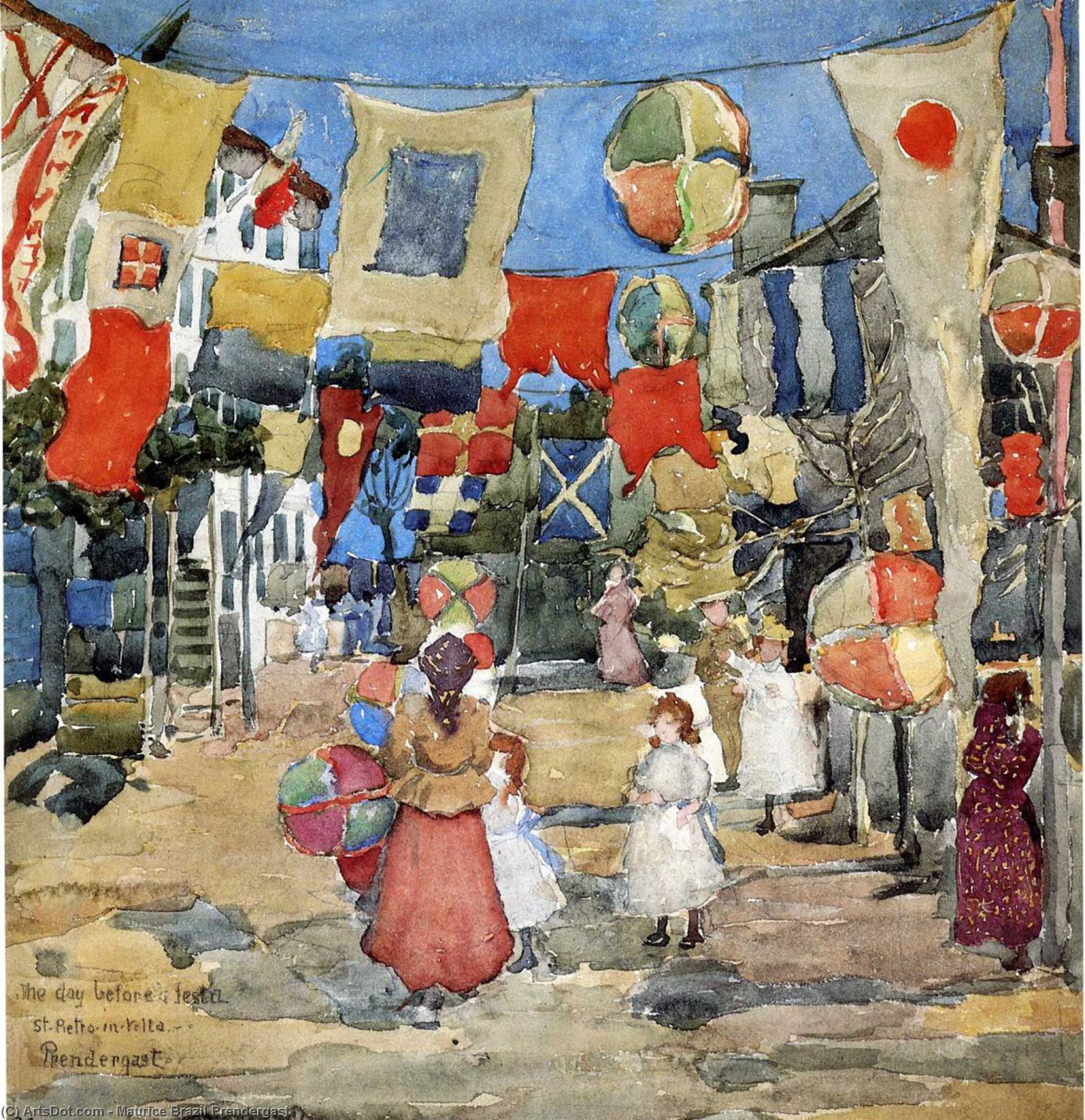
A Vibrant Tapestry of Urban Life: Exploring Maurice Brazil Prendergast’s Untitled (2649)
The painting “untitled (2649)” by Maurice Brazil Prendergast isn't merely a depiction of a street scene; it’s an embodiment of the burgeoning optimism and dynamism characteristic of American modernism at the turn of the century. Captured with remarkable precision, this artwork transports us back to a time when Boston was experiencing rapid industrial growth and cultural transformation – a period keenly felt by artists striving to capture the essence of their surroundings. Prendergast's artistic journey began in Newfoundland’s unforgiving wilderness, grounding him in an appreciation for raw natural beauty that would subtly influence his later stylistic choices. This formative experience instilled within him a profound understanding of how light and color could convey emotion and atmosphere—a skill he expertly honed during his apprenticeship with a commercial artist.
- Subject Matter: The painting focuses on a lively streetscape populated by pedestrians, creating an immersive visual experience for the viewer.
- Style: Prendergast’s style leans heavily into decorative abstraction, prioritizing color and pattern over strict representational accuracy. He eschewed academic conventions in favor of a bold aesthetic that championed spontaneity and expressive brushwork.
The technique employed by Prendergast is particularly noteworthy. Utilizing tempera on canvas—a medium favored for its luminosity and durability—he achieved an astonishing level of tonal gradation, layering colors to produce subtle shifts in hue and intensity. This meticulous approach resulted in a surface texture that feels both tactile and luminous, mirroring the vibrancy of the urban environment depicted. The artist’s deliberate use of color isn't arbitrary; it serves as a crucial element of symbolic communication. The multitude of flags adorning the buildings—a common sight during this era—represent national pride and aspiration, while simultaneously injecting visual energy into the composition. Their varied hues contribute to the overall sense of excitement and movement.
Historical Context: Boston in 1890s was a crucible of innovation, fueled by immigration from Europe and driven by advancements in manufacturing and transportation. Artists like Prendergast sought to reflect this transformative period through their art, rejecting traditional styles and embracing new visual languages. The painting stands as testament to the artistic spirit of its time—a desire to capture not just what was seen but also how it felt.
- Symbolism: Flags symbolize national pride and aspiration within the context of Boston’s industrial growth.
- Emotional Impact: The painting evokes a feeling of bustling energy, optimism, and visual richness—capturing the spirit of a dynamic urban landscape.
Ultimately, “untitled (2649)” transcends mere observation; it invites contemplation. Prendergast’s masterful manipulation of color and texture compels us to consider how art can communicate emotion and capture the essence of a particular moment in history. It's a piece that resonates with collectors and interior designers alike—a beautiful reminder that true artistry lies not just in replicating reality but in transforming it into something profoundly evocative and enduring.