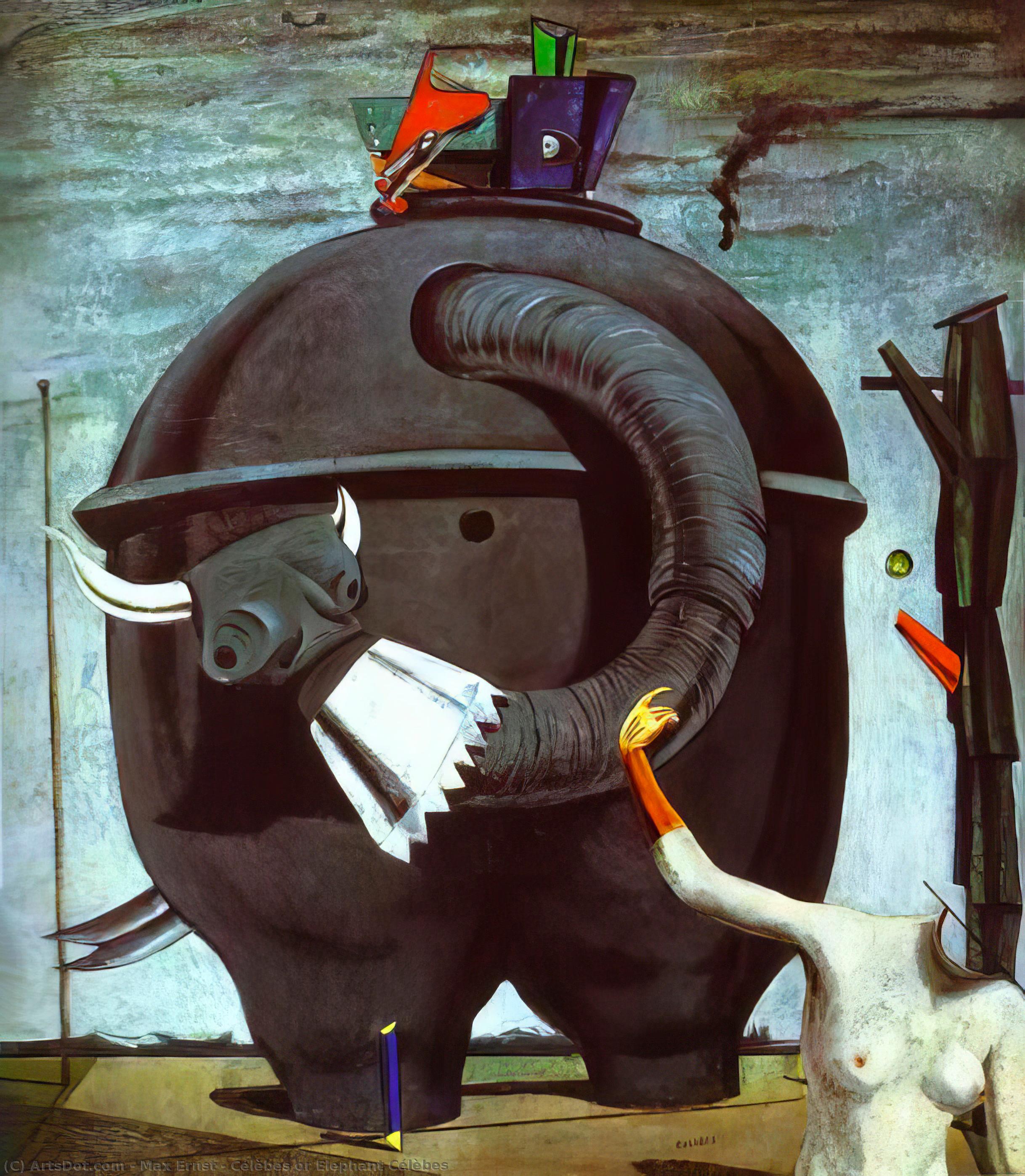
Explore Max Ernst’s ‘Célèbes’! A surreal collage masterpiece blending Dada & Symbolism. Discover its innovative technique, rich symbolism & historical context – a captivating art investment.
Explore the surreal world of Max Ernst (1891-1976), a Dada & Surrealism pioneer! Discover his innovative frottage, collages & dreamlike paintings featuring birds, landscapes & psychological themes. #MaxErnst #Surrealism #Dada
Delve into Surrealism & Modern Art at London's Penrose Collection! Explore masterpieces by Dalí, Picasso & Lee Miller’s visionary photography – a unique glimpse into British artistic heritage.
Exploring Surrealism and Symbolism
Delve into a captivating world where imagination and reality intertwine through this extraordinary masterpiece by Max Ernst. Crafted in 1921, this work exemplifies Ernst’s pioneering approach to Surrealism and Dada, blending dreamlike imagery with symbolic depth. The composition invites viewers into a fantastical universe filled with hybrid creatures, abstract forms, and layered textures, challenging perceptions and evoking a profound emotional response. Its enigmatic subject matter encourages contemplation of transformation, identity, and societal critique, making it a compelling centerpiece for art lovers and collectors alike.
Innovative Technique and Artistic Style
This artwork showcases Ernst’s mastery of collage and mixed-media techniques, characteristic of his experimental approach. The layered textures, bold shapes, and contrasting colors create a tactile, almost sculptural quality that enhances its surrealist impact. The composition’s flattened perspective and distorted forms reflect influences from Cubism and Abstract Expressionism, yet Ernst’s unique vision elevates it into a realm of poetic abstraction. The use of muted greens, browns, and vibrant accents of orange, purple, and green adds visual intrigue and emotional resonance, making it a dynamic addition to any interior space.
Rich Symbolism and Cultural References
At its core, the piece is rich with symbolism rooted in myth, ritual, and modern societal themes. The central hybrid creature, resembling a stylized animal with human and mechanical features, symbolizes the merging of nature, technology, and human consciousness. The geometric objects stacked atop the creature evoke chaos and clutter, perhaps reflecting the complexities of modern life or industrial influence. The fragmented sculpture and female torso introduce themes of femininity, vulnerability, and objectification, while the smoky plume hints at industrialization and environmental concerns. Ernst’s layered symbolism offers viewers a multifaceted narrative that rewards close inspection and personal interpretation.
Historical Context and Artistic Legacy
Created during the early years of Surrealism, this work embodies Ernst’s response to the upheavals of the post-World War I era. His use of collage and unconventional materials was a deliberate effort to break free from traditional artistic boundaries, capturing the subconscious and the irrational. The painting’s title references the island of Sulawesi, Indonesia, hinting at exoticism and the fascination with non-Western cultures that influenced modernist artists. As a seminal piece in Ernst’s oeuvre, it reflects his desire to explore myth, destruction, and renewal—an enduring testament to his role as a pioneer of avant-garde art.
Emotional Impact and Interior Inspiration
This artwork’s surreal, layered imagery evokes a sense of wonder, curiosity, and introspection. Its complex textures and bold forms create a captivating visual experience that draws viewers into a dreamlike state. Perfect for a sophisticated interior, it serves as a conversation starter and a source of inspiration, whether displayed in a living room, office, or gallery setting. A high-quality reproduction of this piece promises to bring a touch of avant-garde elegance and intellectual depth to any space, inspiring viewers to explore the depths of their imagination and appreciate the transformative power of art.