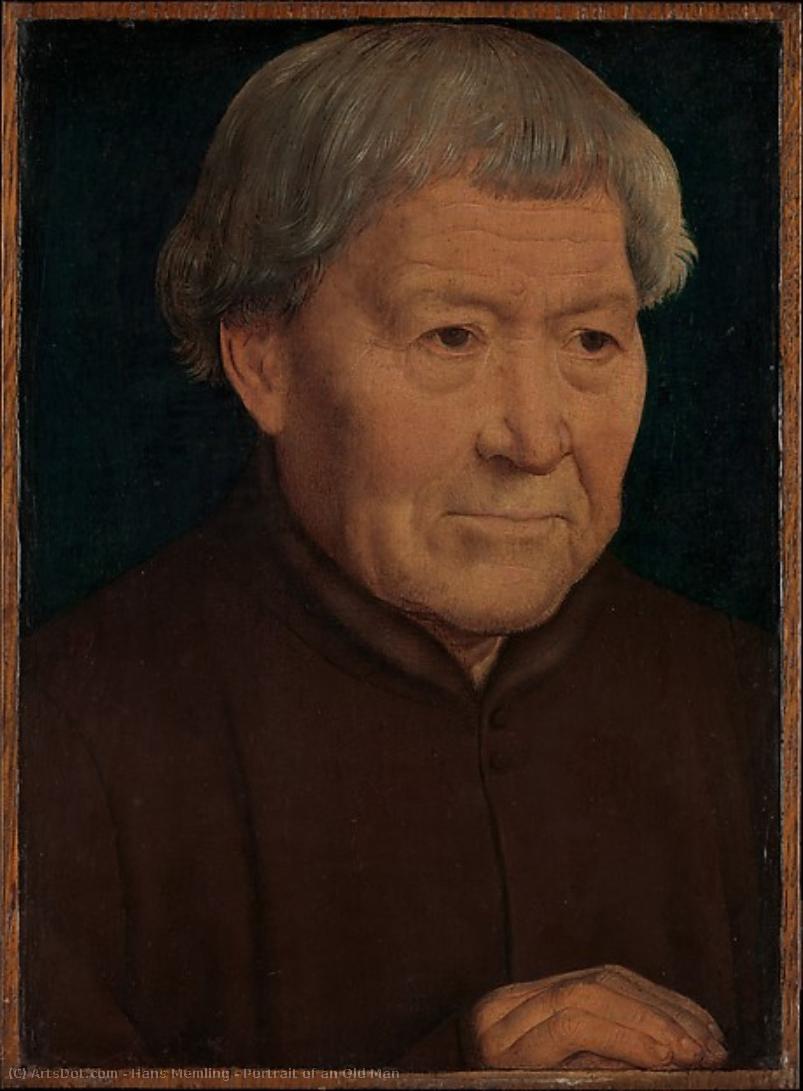
Delve into the masterful detail of Hans Memling's 'Portrait of an Old Man,' a poignant depiction capturing the essence of aging and commemorating life’s final moments – a cornerstone of Early Netherlandish art.
Discover Hans Memling’s stunning Early Netherlandish paintings in Bruges! Explore religious scenes & portraits at the Memling Museum, a Flemish Primitive masterpiece.
Explore The Metropolitan Museum of Art: 5,000 years of art from around the world! Discover masterpieces, ancient artifacts & immersive exhibitions – a global art destination awaits.
A Window Into Bruges’ Artistic Soul: Hans Memling's Portrait of an Old Man
The painting “Portrait of an Old Man,” executed by Hans Memling in 1475, stands as a testament to the burgeoning humanist spirit and unparalleled artistic craftsmanship that defined Early Netherlandish art. More than just a depiction of an individual’s likeness—though remarkably accurate—it embodies a profound engagement with themes of aging, contemplation, and the preservation of memory within a meticulously crafted visual language. Its presence in the Museum of Fine Arts, Houston, alongside its companion portrait of a woman, underscores Memling's pioneering role as a portraitist who sought to transcend mere representation and capture the essence of human experience.
Style & Technique: Precision Born From Observation
Memling’s style is characterized by an astonishing level of detail—a hallmark of Bruges’ artistic tradition during his lifetime. He employed oil paint, a relatively new medium at the time, allowing for nuanced tonal gradations and capturing subtle textures with remarkable fidelity. The artist meticulously rendered every crease in the old man's robe, every strand of white hair, and even the delicate folds around his eyes—evidence of an unwavering dedication to observing nature and translating it onto canvas. This painstaking technique reflects Memling’s profound understanding of anatomy and optics, skills honed during his apprenticeship under Rogier van der Weyden.
Historical Context: Bruges – A Crucible of Artistic Innovation
The painting emerged from the vibrant cultural landscape of Bruges in the mid-fifteenth century—a city renowned for its wool trade, burgeoning merchant class, and flourishing artistic patronage. Memling’s workshop thrived amidst this environment, attracting commissions from wealthy families eager to commemorate their ancestors and secure their legacy through visual art. The diptych with the portrait of a woman served as an important symbolic gesture, reflecting the prevailing belief that beauty and wisdom could coexist—a concept central to humanist thought and influencing artistic conventions of the era.
Symbolism & Emotional Resonance: Beyond Appearance
Beyond its technical brilliance lies a wealth of symbolic meaning. The downward gaze of the old man’s eyes suggests introspection and contemplation—a deliberate choice by Memling to convey not simply what he saw but also what he felt. The dark blue background serves as a foil to the old man's attire, emphasizing his vulnerability against the backdrop of time and mortality. Like many portraits from this period, “Portrait of an Old Man” invites viewers to engage in a dialogue with the subject—to consider his life experience and appreciate the enduring power of artistic representation to evoke emotion and stimulate thought.
A Legacy Enduring Through Reproduction
Today, reproductions of Memling’s masterpiece continue to inspire interior designers and collectors alike. The painting's meticulous detail and evocative symbolism resonate across centuries, reminding us that true artistry transcends temporal boundaries—capturing not just a likeness but also the spirit of an age and conveying timeless truths about human existence. Its place within the Museum of Fine Arts, Houston, ensures its continued appreciation as one of the most significant achievements of Early Netherlandish painting.