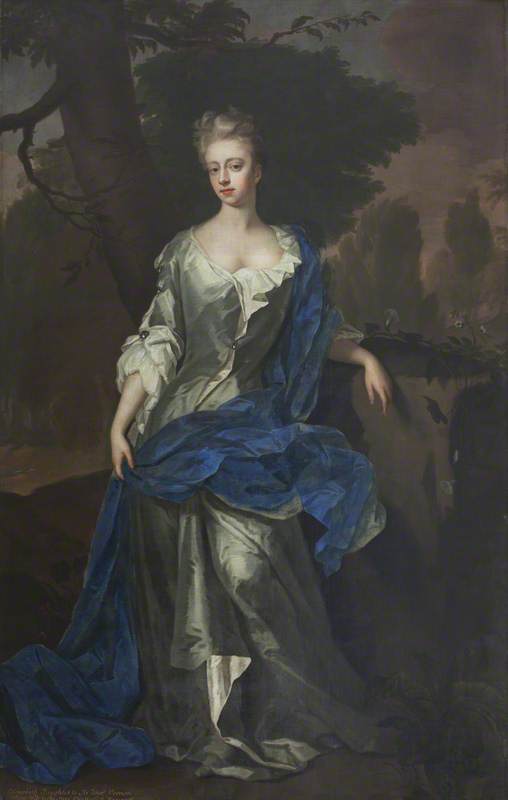
Michael Dahl (c. 1659–1743) was a Swedish portrait painter who lived and worked in England most of his career and died there. He was one of the most internationally known Swedish painters of his time. He painted portraits of many aristocrats and some members of royal families, such as Anne, Queen of Great Britain, Prince George of Denmark and the exiled Christina, Queen of Sweden.
== Childhood ==
Michael Dahl (1659-1743): Celebrated Swedish Baroque portraitist renowned for his aristocratic subjects & time painting in England. Discover his masterpieces!
National Trust
(Ashbourne, Republic of Ireland)
Step back in time at Sudbury Hall! Explore Irish heritage, Victorian toys & interactive exhibits in this National Trust gem. A family-friendly journey through centuries of history awaits.
Elizabeth Vernon (1678–1748), Viscountess Harcourt – A Portrait Steeped in Elegance and Intrigue
Michael Dahl’s depiction of Elizabeth Vernon, Viscountess Harcourt, stands as a testament to the Baroque era's fascination with idealized beauty and psychological depth. Painted circa 1700/1710, this artwork transcends mere representation; it captures a moment frozen in time—a woman gazing downwards, subtly conveying contemplation amidst an opulent outdoor setting. The painting’s meticulous detail speaks volumes about Dahl’s mastery of technique, employing oil on canvas to achieve luminous tonal gradations and remarkably realistic textures. Notice the delicate rendering of Vernon's hair, meticulously sculpted into a bun, mirroring the prevailing stylistic conventions of the period—a deliberate gesture towards conveying grace and composure.
The Baroque Aesthetic: Light, Drama, and Emotion
Dahl’s approach aligns perfectly with the broader aesthetic principles of Baroque art. Unlike the Renaissance emphasis on balanced compositions and serene idealism, Baroque painters prioritized dramatic lighting – chiaroscuro – to heighten emotional impact and create a sense of theatrical grandeur. Observe how Dahl skillfully utilizes light to illuminate Vernon's face, casting shadows that subtly sculpt her features and hinting at inner thoughts. This technique wasn’t merely decorative; it served as a crucial tool for conveying psychological nuance—a hallmark of Baroque portraiture aimed at capturing the sitter’s character and mood. The inclusion of the tree in the background reinforces this dramatic element, symbolizing resilience and permanence against which Vernon's gaze is directed.
A Window into Georgian Society
Elizabeth Vernon herself was a prominent figure within Georgian society, representing the aristocratic elite who sought to solidify their status through artistic patronage. Her marriage to William Harcourt brought considerable wealth and influence to the family, elevating Vernon’s position as one of England’s most desirable women. Dahl's portrait reflects this social context—a celebration of beauty and refinement intended to impress viewers and communicate prestige. The necklace adorning Vernon’s neck symbolizes status and adornment, mirroring the lavish fashions of the time and underlining the importance of visual display in asserting social dominance.
Symbolism Beyond Surface Beauty
Beyond its aesthetic brilliance, the painting is laden with symbolic meaning. Vernon's downward gaze suggests introspection—a contemplation of her own identity and role within society. This subtle gesture speaks to the Baroque preoccupation with inner life and psychological complexity, moving beyond mere physical likeness to explore the sitter’s emotional landscape. The tree serves as a visual anchor, grounding the scene in nature and hinting at themes of longevity and stability – qualities valued by aristocratic families striving for enduring legacy.
A Legacy of Artistic Excellence
Michael Dahl's Elizabeth Vernon remains an iconic example of Baroque portraiture—a masterpiece admired for its technical virtuosity and profound psychological insight. Its exquisite detail, masterful use of light, and subtle symbolic gestures continue to captivate audiences today, cementing Dahl’s place as one of the era’s foremost artists and ensuring that Vernon’s image endures as a symbol of aristocratic grace and contemplative beauty.