Michelangelo Buonarroti’s Jonah: A Study in Dramatic Emotion and Symbolism
The fresco
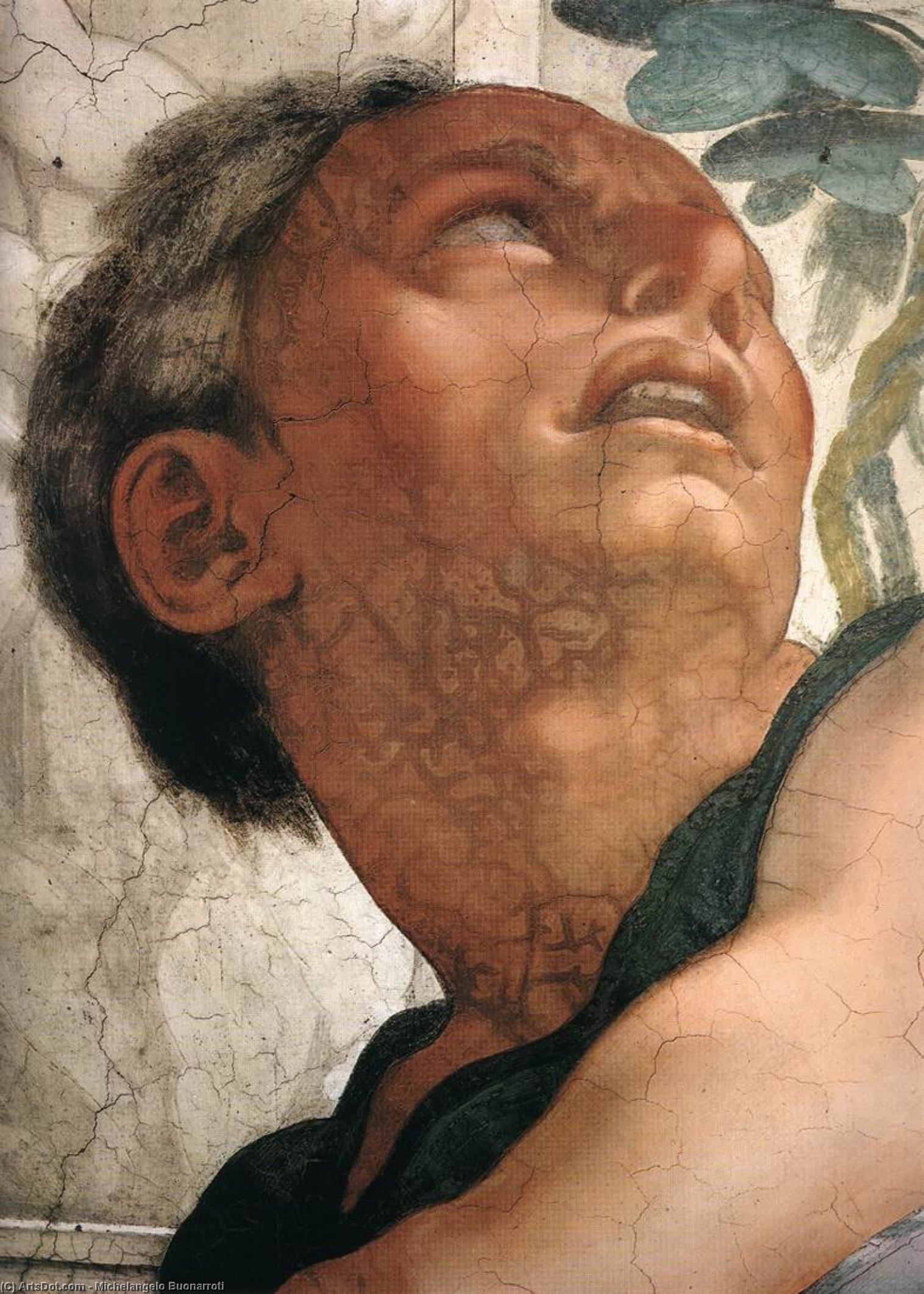
Jonah (detail) by Michelangelo Buonarroti stands as a cornerstone of High Renaissance art—a testament to his unparalleled ability to convey profound emotion and imbue biblical narrative with symbolic resonance. Completed in 1511 for the Sistine Chapel ceiling, commissioned by Pope Julius II during a period of artistic fervor, this artwork transcends mere depiction; it’s an exploration of faith, repentance, and divine mercy.
The Context of Creation: The Sistine Chapel Ceiling Project
Michelangelo's undertaking on the Sistine Chapel was monumental—a four-year endeavor that demanded immense physical and mental stamina. Following in the footsteps of Giotto and Masaccio, Michelangelo sought to elevate fresco painting to new heights, prioritizing anatomical accuracy and expressive dynamism. Alongside iconic scenes like *The Creation of Adam*, the ceiling aimed to narrate Genesis from creation to Noah’s flood, reflecting humanist ideals alongside religious dogma. The sheer scale of the project underscored Michelangelo's ambition and solidified his reputation as one of the greatest artists of all time.
A Portrait of Intense Emotion: Analyzing Jonah’s Figure
The central figure in
Jonah (detail) embodies Michelangelo's masterful manipulation of chiaroscuro—the dramatic interplay between light and dark—to heighten emotional impact. Shown in mid-despair, Jonah’s mouth agape expresses a visceral scream or yell, capturing the agony of defiance against God’s will. The artist meticulously rendered musculature and facial expressions, conveying not just physical posture but also psychological torment. This portrayal aligns with Renaissance humanist ideals that championed inner experience alongside outward appearance.
Technical Brilliance: Michelangelo's Fresco Technique
Michelangelo’s technique exemplifies the pinnacle of fresco painting—a process requiring painstaking preparation and precise execution. The artist applied pigment directly onto wet plaster, ensuring optimal adhesion and color vibrancy. Careful layering of glazes created subtle tonal variations, enhancing depth and realism. Furthermore, the use of *sfumato*, a blurring effect achieved through gradual blending of colors, softens contours and contributes to an ethereal quality—characteristic of Michelangelo’s artistic vision. The meticulous attention to detail underscores his dedication to achieving artistic perfection.
Symbolism Beyond Representation: Green Shirt and Divine Connection
The green shirt worn by Jonah carries significant symbolic weight. Traditionally associated with vegetation and renewal, it represents Jonah's connection to the natural world and, crucially, to God’s grace—a reminder that even in moments of disobedience, divine compassion prevails. Michelangelo skillfully incorporated this symbolism into the composition, reinforcing the overarching theme of redemption and highlighting the artist’s profound understanding of biblical narratives.
Legacy and Influence: Shaping Western Art History
Michelangelo Buonarroti's work on the Sistine Chapel ceiling irrevocably transformed artistic conventions—establishing new standards for anatomical accuracy, compositional balance, and expressive dynamism. His influence extended far beyond painting, impacting sculpture and architecture alike. Generations of artists have drawn inspiration from his innovations, cementing his place as one of history’s most influential figures. For those seeking to appreciate the sublime beauty of Renaissance art,
Daniel and
Creation of the Sun, Moon, and Plants (detail) offer further explorations into Michelangelo’s artistic genius. To delve deeper into his life and accomplishments, consult
Michelangelo and
Sistine Chapel ceiling.