A Masterpiece of Renaissance Devotion
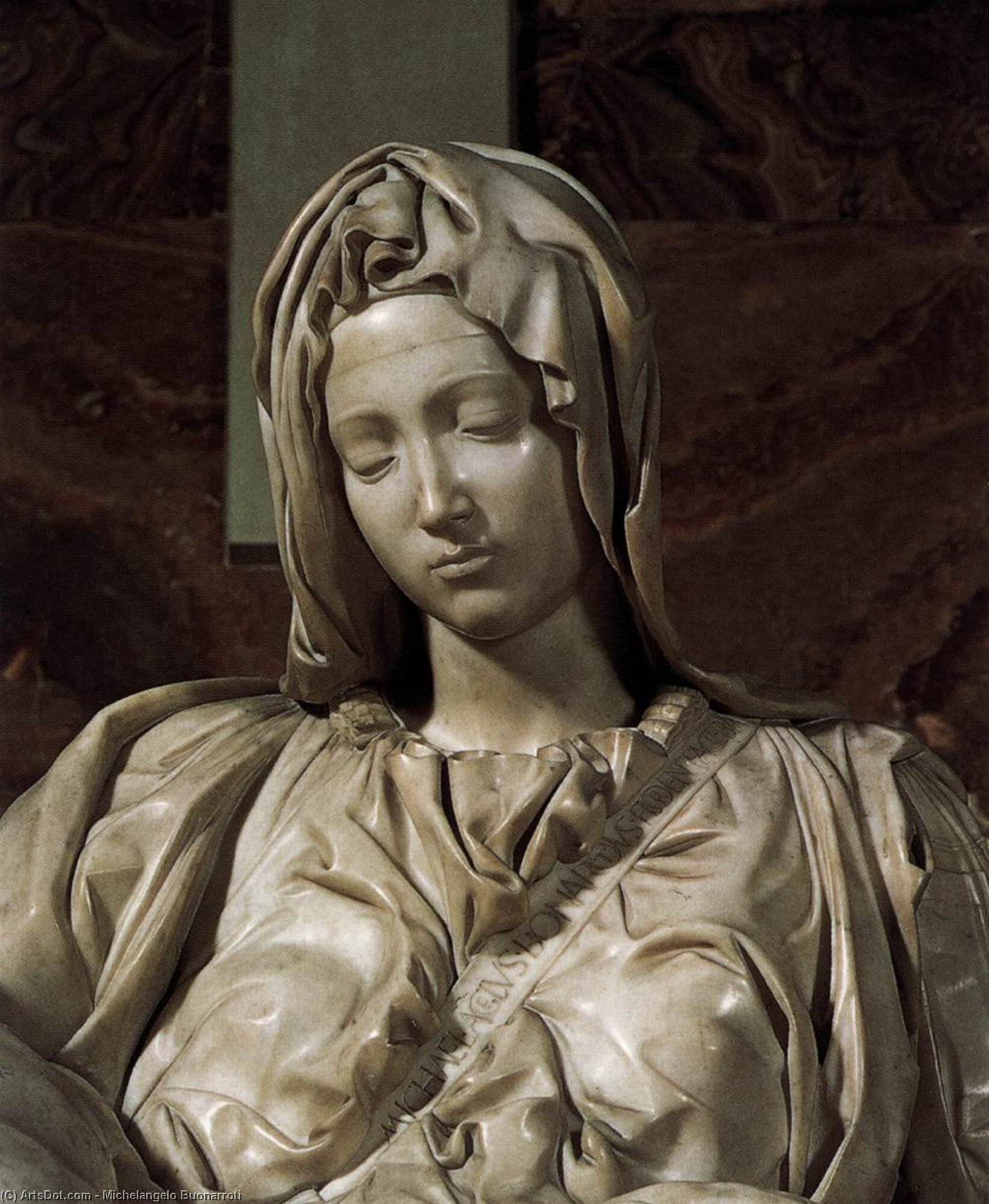
Michelangelo’s *Pietà* is arguably the most celebrated depiction of the Virgin Mary cradling the body of Jesus Christ in Western art. Completed between 1498 and 1499, this sculpture transcends mere religious iconography; it's a profound meditation on grief, acceptance, and divine love rendered with breathtaking technical skill. Carved from a single block of Carrara marble, the *Pietà* resides within St. Peter’s Basilica in Vatican City, continuing to inspire awe in millions of visitors each year.
Historical Context & Commission
The sculpture was commissioned by French Cardinal Jean de Billheres as a funerary monument for his chapel. This commission allowed the young Michelangelo – barely 24 years old at its completion – to demonstrate his extraordinary talent and secure his place among the leading artists of the High Renaissance. The *Pietà* embodies the era’s fascination with classical ideals, blended seamlessly with Christian piety. It marks a pivotal moment in art history, bridging the gap between the Early Renaissance's developing naturalism and the High Renaissance’s pursuit of idealized beauty.
Technical Brilliance & Artistic Style
Michelangelo’s mastery is evident in every detail. The polished surface of the marble seems to breathe with life, creating a remarkable sense of realism. Notice how he skillfully depicts the contrasting textures – the smooth, youthful face and flowing drapery of Mary against the limp, suffering body of Christ.
This contrast isn't accidental; it’s a deliberate artistic choice that emphasizes both Mary’s purity and Jesus’ sacrifice. The composition is pyramidal in form, providing stability and balance while drawing the viewer’s eye towards the central figures. Michelangelo uniquely portrays Mary as remarkably youthful, a point often discussed by art historians – some interpret this as symbolizing her perpetual virginity, others as representing an idealized, timeless beauty.
Symbolism & Emotional Resonance
The *Pietà* is rich in symbolism. The very act of Mary holding Jesus’ body evokes themes of maternal love and sorrow. Her downcast gaze and serene expression convey a profound sense of grief tempered by faith. Christ's relaxed pose, despite his suffering, suggests acceptance of his fate and the promise of resurrection.
The sculpture isn’t simply about death; it’s about hope and redemption. The drapery itself is symbolic, cascading around Mary like a protective shroud while also creating dynamic folds that add visual interest and movement.
A Lasting Legacy & Reproductions
Despite suffering damage in 1972 – an act of vandalism that led to its protection behind bulletproof glass – the *Pietà* remains remarkably intact. Its enduring power lies in its ability to evoke a deeply emotional response from viewers across cultures and generations. For those unable to experience the sculpture firsthand, high-quality reproductions offer a chance to bring this masterpiece into your home or office.
- Subject: Depiction of the Virgin Mary cradling the body of Jesus Christ.
- Style: High Renaissance Sculpture – blending classical ideals with Christian iconography.
- Technique: Carved from a single block of Carrara marble, showcasing exceptional skill in realism and detail.
- Emotional Impact: Evokes feelings of grief, compassion, faith, and hope.
The *Pietà* is more than just a sculpture; it’s a testament to Michelangelo's genius and a powerful expression of the human condition. It continues to inspire artists, scholars, and art lovers alike, solidifying its place as one of the most important works in the history of Western art.