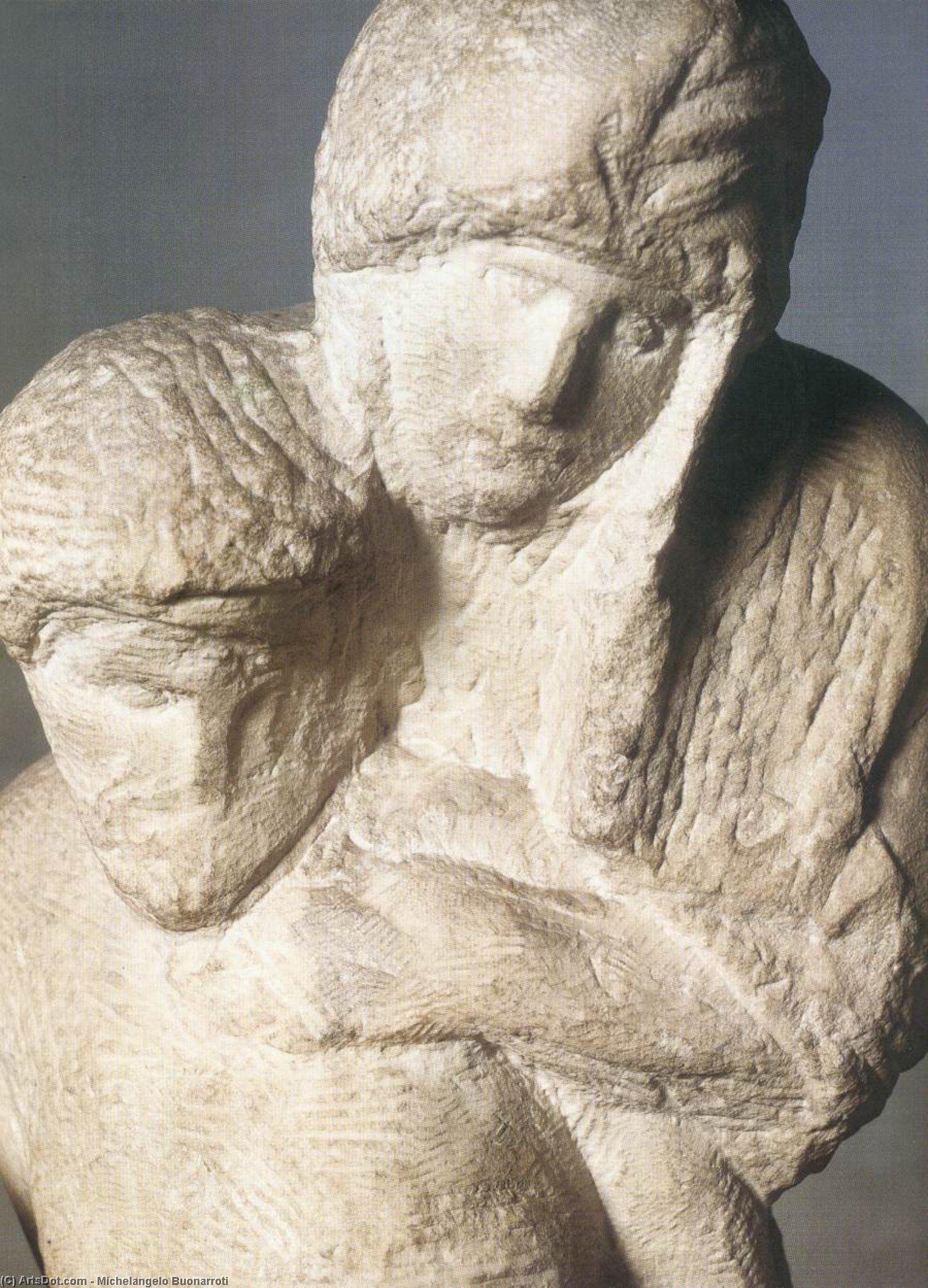
A Testament to Sorrow – The Pietà Rondanini
Michelangelo Buonarroti's Pietà Rondanini stands as arguably the most emotionally resonant sculpture of the High Renaissance, a haunting meditation on loss and faith that continues to captivate audiences centuries later. Completed in 1564, just before his death, this monumental marble masterpiece resides within the Museo della Pietà Rondanini at Sforza Castle in Milan—a location mirroring its genesis: it was originally conceived as part of a larger commission for St Peter’s Basilica but tragically abandoned due to Michelangelo's failing health.
- Subject Matter: The sculpture depicts Mary Magdalene mourning over the lifeless body of Jesus Christ, an image deeply rooted in Christian iconography and representing compassion, sorrow, and maternal devotion.
- Style & Technique: Michelangelo’s distinctive style—characterized by elongated figures and expressive drapery—represents a dramatic departure from the idealized forms prevalent during his earlier period. The sculpture's masterful execution showcases unparalleled skill in marble carving, utilizing intricate detailing to convey palpable tension and movement.
Echoes of Earlier Genius – A Continuation of Tradition
The Pietà Rondanini is not merely a standalone work; it’s a poignant revisiting of Michelangelo's seminal Pietà of 1499—a sculpture that established him as the foremost sculptor of his time. However, unlike its predecessor, this later iteration abandons classical ideals for an emotionally charged portrayal of grief. The deliberate incompleteness of the statue – left unfinished by Michelangelo himself – serves not merely as a stylistic quirk but as a profound statement about artistic process and spiritual contemplation.
Symbolism Beyond Form – Layers of Meaning
Beyond its visual splendor, the Pietà Rondanini is laden with symbolic significance. Mary’s posture—kneeling in sorrow while cradling Christ’s body—represents humility before God and embodies the universal experience of mourning. The drapery swirls around the figures, conveying a sense of turbulent emotion and mirroring the spiritual struggle inherent in confronting mortality. Michelangelo's masterful manipulation of marble captures not just physical form but also intangible feelings – grief, compassion, and ultimately, faith.
Legacy and Influence – Inspiring Generations
Michelangelo’s Pietà Rondanini irrevocably altered the course of Western sculpture. Its innovative approach to anatomy and drapery profoundly influenced subsequent artists, establishing a new standard for expressive realism. The sculpture's enduring power lies in its ability to evoke empathy and provoke reflection on themes of suffering and redemption—a testament to Michelangelo Buonarroti’s genius and his unwavering commitment to conveying the deepest truths of human experience. You can explore more about Michelangelo’s other masterpieces at /art/list/?Filter=8EWLRR-Michelangelo-Buonarroti-Palestrina-PietA and /art/list/?Filter=8XZMG3-Michelangelo-Buonarroti-Brutus.