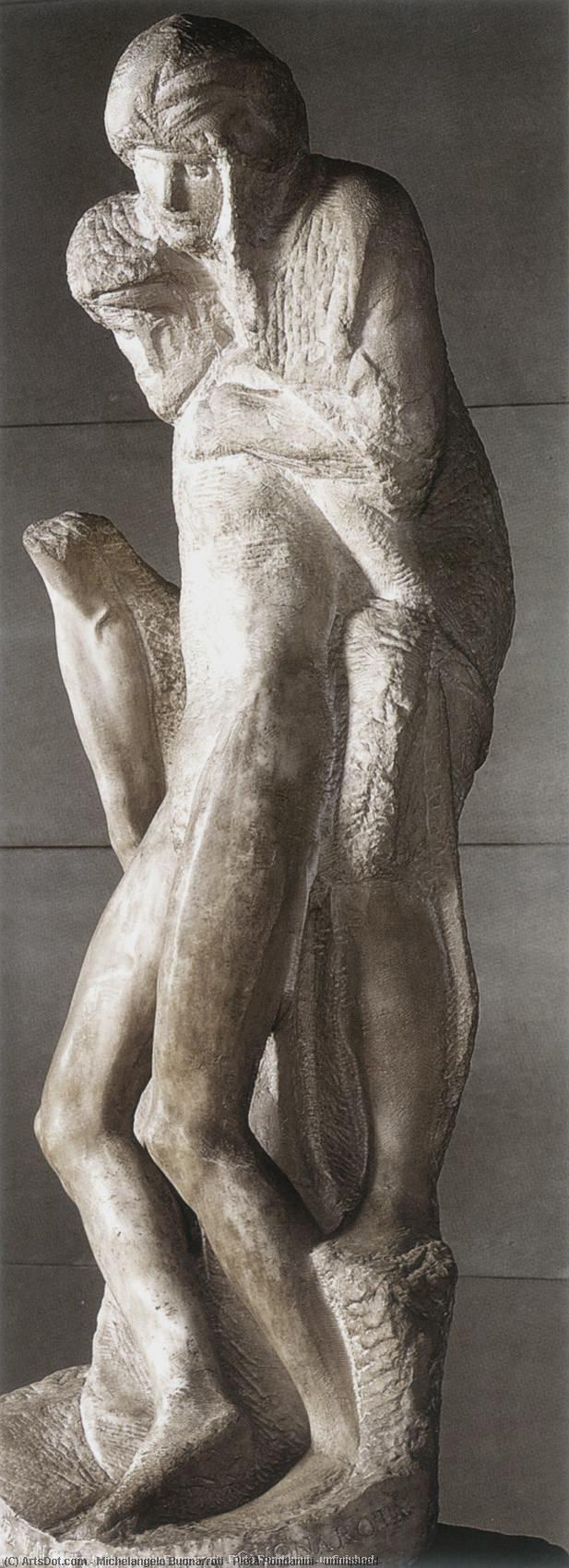
Witness Michelangelo's poignant Pietà Rondanini – an unfinished masterpiece of sorrow and divine grace. Explore its fragmented beauty, anatomical precision & emotional depth.
Michelangelo (1475-1564): Explore the Renaissance master's iconic sculptures like David & Pietà, breathtaking Sistine Chapel frescoes, and lasting impact on art history!
Discover Milan's Castello Sforzesco: Explore Renaissance art treasures, Michelangelo's Pietà Rondanini & Leonardo Da Vinci's Sala delle Asse in this historic fortress! #MilanArt #CastelloSforzesco
Michelangelo’s Fragmented Grief: Exploring the Pietà Rondanini
The unfinished sculpture, known simply as Pietà Rondanini, stands as a haunting testament to Michelangelo Buonarroti's unparalleled mastery and his profound engagement with themes of sorrow and divine compassion. Completed in 1552, just months before his death, this monumental marble figure represents arguably the most emotionally resonant depiction of Mary Magdalene mourning over Jesus’s lifeless body—a poignant meditation on grief that transcends time and continues to captivate audiences today. Unlike Michelangelo's earlier Pietà commissioned for St. Peter's Basilica, Rondanini is a deeply personal project undertaken in his final years, reflecting a shift towards an increasingly introspective artistic vision.
A Study in Marble and Emotion
Michelangelo’s technique—characterized by meticulous carving and masterful manipulation of marble—is evident throughout the sculpture. He employed a subtractive method, painstakingly removing material to reveal the underlying form, prioritizing anatomical accuracy and conveying palpable emotion through subtle gestures and facial expressions. The statue's surface is remarkably smooth, achieved through polishing techniques that would have been laborious and demanding for the time, demonstrating Michelangelo’s unwavering dedication to achieving an unparalleled level of realism. The choice of marble itself speaks volumes about Renaissance ideals—a material associated with purity, permanence, and divine beauty—further amplifying the sculpture’s spiritual significance.
The Anatomy of Sorrow
The Pietà Rondanini is celebrated for its breathtaking anatomical precision. Michelangelo meticulously studied human anatomy, dissecting cadavers to gain a deeper understanding of musculature and skeletal structure. This knowledge informs every aspect of the sculpture's composition, from the slumped posture of Mary Magdalene to the delicate folds of her drapery—each element contributing to an overwhelming sense of vulnerability and despair. The figure’s gaze is downward, conveying a profound sadness that penetrates the viewer’s soul, mirroring the universal experience of mourning and loss.
Historical Context: Michelangelo's Late Period
Michelangelo’s Pietà Rondanini emerged during a pivotal moment in Renaissance art history—the waning years of his prolific career. Following the completion of monumental works like David and Moses, he embarked on a series of smaller sculptures that explored themes of human suffering and spiritual contemplation. This shift towards introspection reflects broader intellectual currents of the era, influenced by humanist philosophy and a renewed interest in biblical narratives. The sculpture’s creation coincided with the Reformation, marking a period of religious upheaval and artistic innovation—a context that undoubtedly shaped Michelangelo's artistic sensibilities.
Symbolism: Grief and Redemption
The Pietà Rondanini embodies powerful symbolic representations of grief and redemption. Mary Magdalene’s posture reflects the traditional depiction of mourning mothers—a gesture of sorrowful compassion aimed at comforting Jesus’s deceased body. The drapery surrounding Mary Magdalene serves as a visual metaphor for divine grace, enveloping her in a protective embrace that symbolizes hope amidst despair. Ultimately, the sculpture speaks to the enduring human desire for solace and transcendence—a timeless reminder of mortality and the promise of eternal life.