Michelangelo Buonarroti’s “Until Bacchus” – A Fragment of Divine Proportion
Michelangelo Buonarroti, arguably the pinnacle of Renaissance artistic achievement, stands as a figure whose legacy continues to inspire awe and admiration centuries after his death in 1564. Born into humble Florentine beginnings on March 6, 1475, Michelangelo’s journey from stonemason's apprentice to sculptor extraordinaire embodies the transformative power of talent nurtured by circumstance and illuminated by an unwavering devotion to artistic excellence. Initially faced with familial reservations regarding a life dedicated to art – his father, Ludovico Buonarroti Simoni, prioritized practical pursuits – young Michelangelo swiftly demonstrated an unparalleled aptitude for disegno, or drawing, securing patronage from influential families like the Medici who recognized his extraordinary potential. This formative period within the Medici gardens, surrounded by classical sculptures and imbued with the spirit of humanist inquiry, cemented Michelangelo’s fascination with idealized beauty and anatomical precision—principles that would become foundational to his groundbreaking artistic vision.
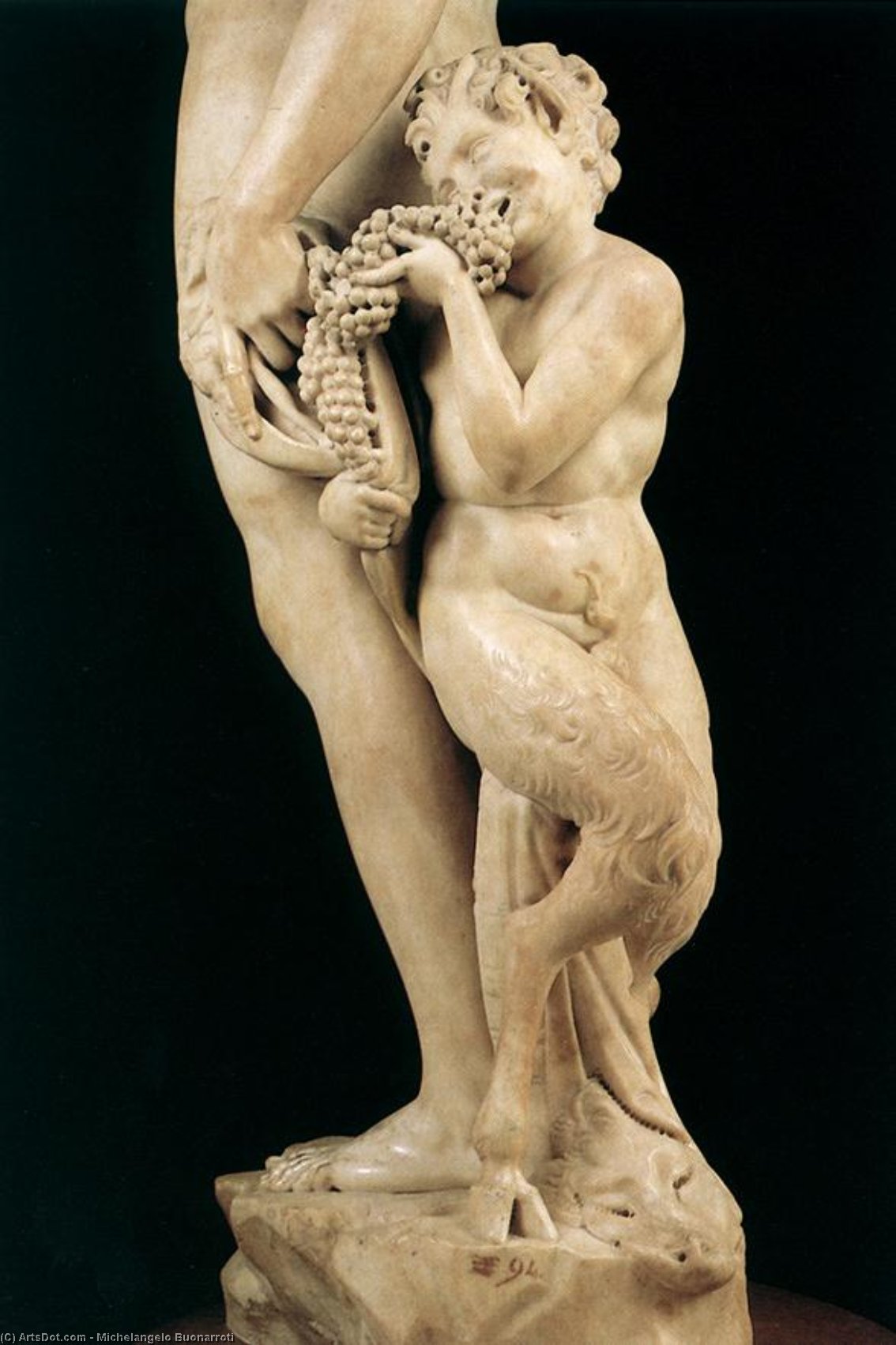
- Subject Matter: The photograph captures a striking marble statue depicting a nude female figure holding grapes, likely intended as an allusion to Dionysus (Bacchus), the Greek god of wine and revelry.
- Style: Michelangelo’s style is unmistakably Romanesque, reflecting the pervasive influence of classical art during his era. The sculpture adheres to the humanist ideals championed by Leonardo da Vinci and Raphael, prioritizing anatomical accuracy and conveying a sense of serene contemplation.
- Technique: Executed in marble – a material Michelangelo skillfully manipulated – “Until Bacchus” exemplifies the sculptor’s mastery of subtractive carving techniques. Layers of stone are meticulously removed to reveal the underlying form, resulting in an astonishingly lifelike representation that captures both physical grace and spiritual depth.
The statue's placement within the Medici gardens underscores its significance as a deliberate homage to Greco-Roman artistic traditions. Michelangelo’s meticulous study of sculptures by Phidias and Polyclitus instilled in him a profound understanding of proportion, balance, and idealized human form—concepts that permeate every aspect of his oeuvre. The pose of the woman embodies stillness and grace, mirroring the contemplative spirit characteristic of Renaissance art. Furthermore, the grapes symbolize fertility, abundance, and Dionysian ecstasy – themes central to Greek mythology and reflecting Michelangelo’s desire to elevate the viewer beyond mere observation toward a deeper appreciation for beauty and divine harmony.
Symbolism: The statue's depiction of Bacchus speaks to broader philosophical concerns about human nature and the pursuit of virtue. It embodies the Renaissance fascination with classical ideals of beauty and rationality, representing an aspiration for moral perfection alongside aesthetic excellence. Michelangelo’s artistic endeavors were driven by a conviction that art could illuminate the soul and inspire contemplation on fundamental questions concerning existence.
Emotional Impact: Viewing “Until Bacchus” evokes a sense of serenity and wonder—a testament to Michelangelo's ability to capture not only physical form but also intangible emotions. The sculpture’s timeless elegance transcends temporal boundaries, inviting viewers to contemplate the enduring power of art to communicate profound truths about humanity and its relationship with the divine. It remains an unforgettable emblem of Renaissance artistic genius.