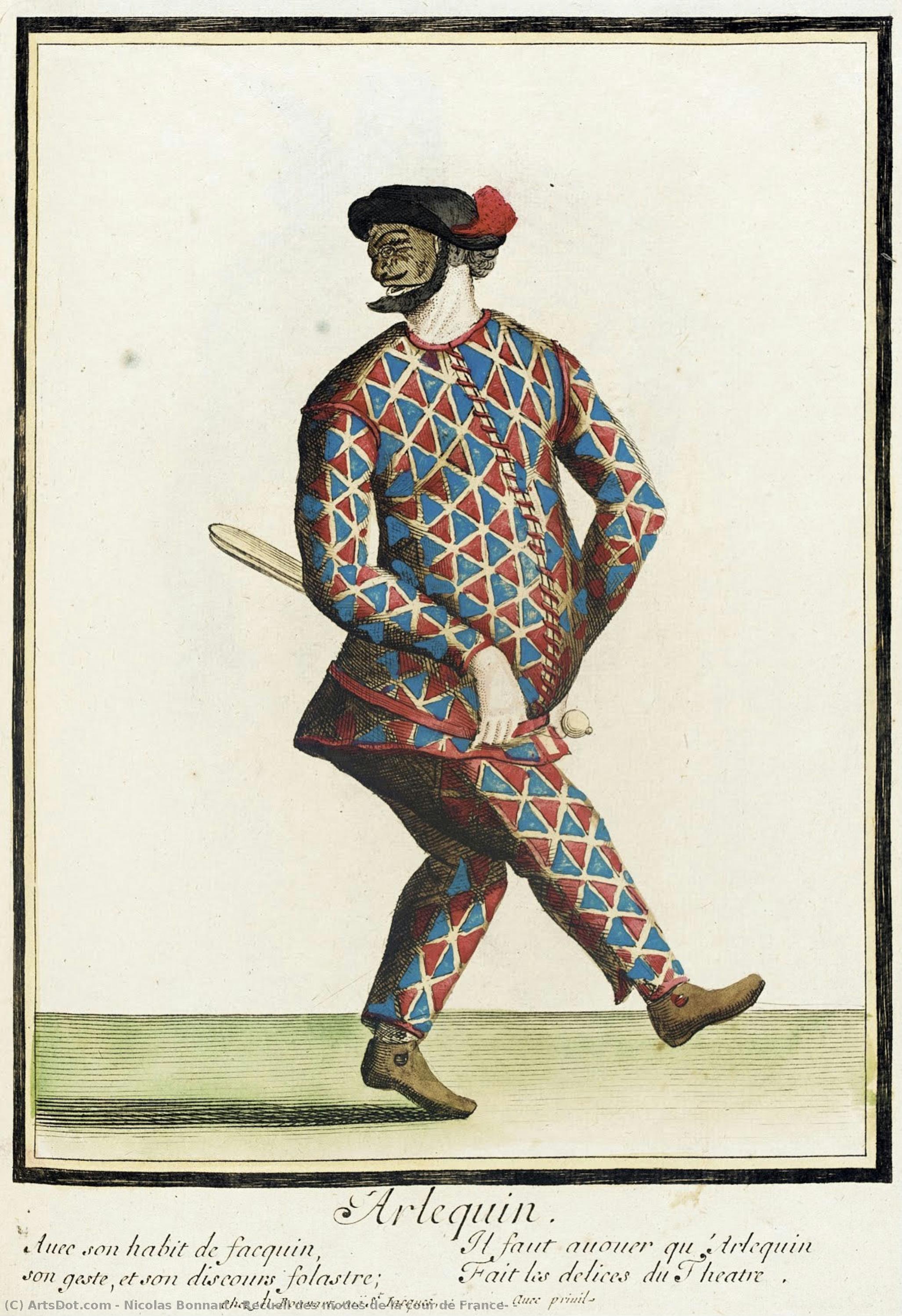
This meticulously crafted engraving showcases a man engaged in outdoor activity—likely baseball—against a backdrop of elegantly dressed figures. Created around 1678-1693 by Nicolas Bonnart, it exemplifies the Rococo style's celebration of movement and refined ornamentation.
Explore Nicolas Bonnart's 'Recueil des modes de la cour de France,' a vibrant depiction of aristocratic leisure featuring a
Recueil des modes de la cour de France: A Portrait of Elegance Amidst Baroque Ornamentation
Nicolas Bonnart’s “Recueil des modes de la cour de France,” painted in 1693, offers a glimpse into the opulent aesthetic sensibilities of Louis XIII’s reign. More than just a depiction of a gentleman engaged in sport—specifically baseball—the artwork embodies the broader artistic currents shaping French culture during this period: the burgeoning influence of Baroque grandeur tempered by classical ideals championed by Nicolas Poussin himself. Bonnart skillfully captures movement and dynamism, utilizing a vibrant palette dominated by blues and reds to convey both energy and aristocratic status.
- Subject Matter: The central figure portrays a man confidently wielding a baseball bat amidst an outdoor setting—a deliberate choice reflecting the leisure activities favored by the French nobility.
- Style & Technique: Bonnart’s approach leans heavily into Baroque principles, characterized by dramatic chiaroscuro (contrast between light and dark) and meticulous attention to detail. The artist employs etching techniques, layering lines to build up tonal gradations and creating a textured surface that enhances the visual impact.
- Historical Context: Painted during Mazarin’s ascendancy and Louis XIII's rule, “Recueil des modes de la cour de France” speaks to the fascination with active pursuits alongside refined elegance—a hallmark of aristocratic culture at the time. The baseball bat symbolizes strength and prowess, juxtaposed against the gentleman’s posture conveying composure and grace.
- Symbolism: Beyond its literal representation, the painting operates on a symbolic level. The vibrant colors – particularly red – traditionally associated with royalty and passion—suggest an idealized vision of nobility. Furthermore, the outdoor scene underscores the importance of nature within aristocratic circles as a source of inspiration and respite from courtly formalities.
- Emotional Impact: Bonnart’s masterful composition evokes a sense of vitality and sophistication. The viewer is drawn into the scene, experiencing both the excitement of sport and the serenity of contemplative observation—a testament to the artist's ability to convey complex emotions through visual form.
Provenance & Artistic Legacy
The artwork’s journey through private collections underscores its significance as a representative piece of French Baroque art. Its acquisition by LACMA reflects the museum’s commitment to preserving and showcasing exceptional artistic treasures. Notably, Bonnart's work aligns closely with Poussin’s stylistic trajectory—demonstrating how artists responded to classical influences while forging their own distinctive voices. The engraving on paper technique itself exemplifies the meticulous craftsmanship prevalent during this era, ensuring that Bonnart’s vision continues to resonate with audiences today.
Reproductions & Decorative Considerations
A high-quality reproduction of “Recueil des modes de la cour de France” can transform any interior space into a haven of refined elegance. Consider framing it in a neutral tone—such as linen or matte white—to allow the artwork’s vibrant colors and textural detail to shine through. Its dynamic composition lends itself particularly well to creating focal points within larger rooms, injecting energy and visual interest into sophisticated décor schemes. Collectors appreciate pieces that capture both artistic merit and historical context – Bonnart's masterpiece embodies these qualities beautifully.