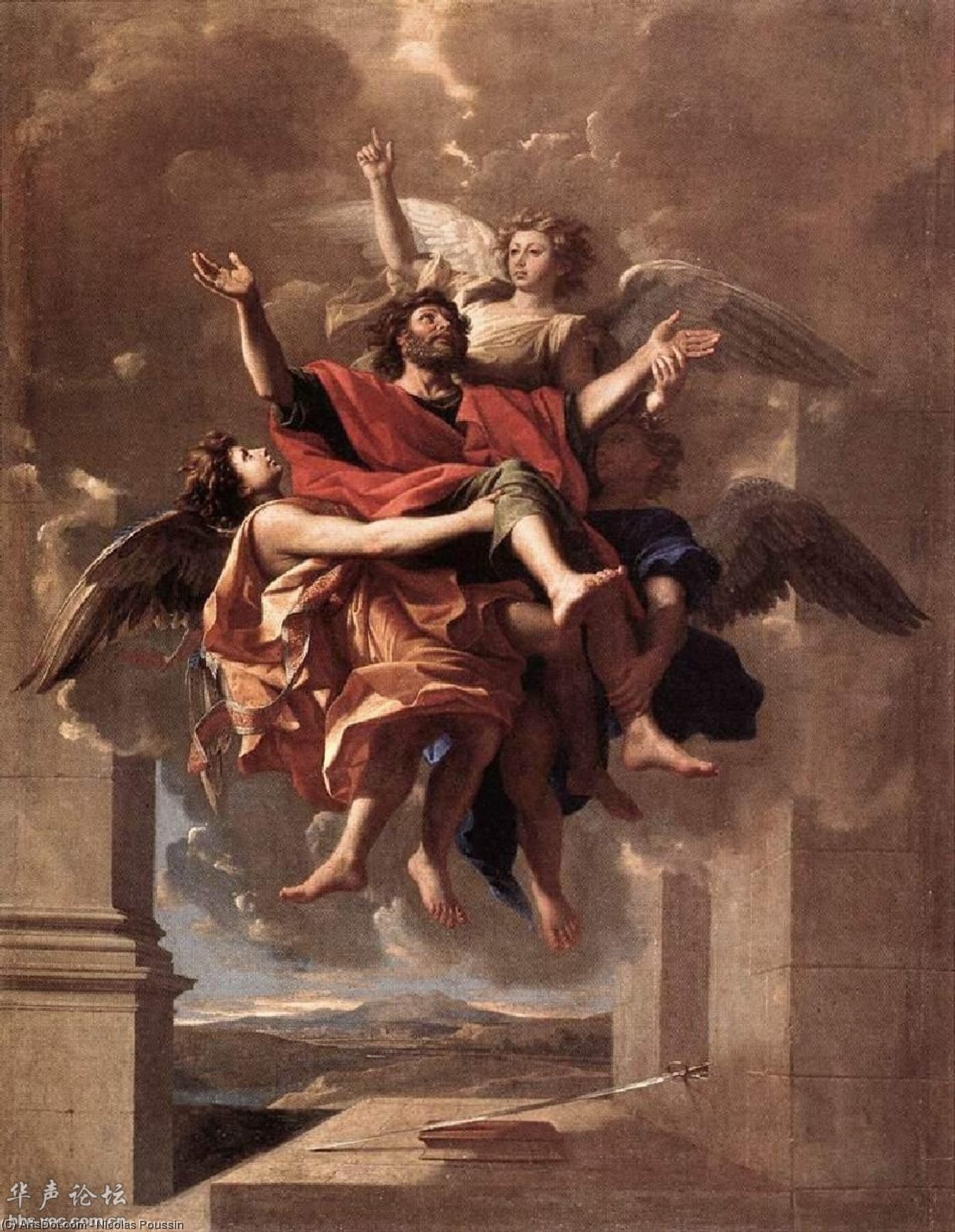
Experience Nicolas Poussin's 'The Ecstasy of St. Paul,' a Baroque masterpiece depicting divine vision & spiritual ascension. Explore its symbolism, influences & historical context at ArtsDot.
Explore Nicolas Poussin's masterful Baroque paintings—renowned for serene landscapes and mythological narratives inspired by classical antiquity. Discover iconic artworks at ArtsDot.
Explore the Louvre Museum in Paris! Home to iconic masterpieces like the Mona Lisa & Venus de Milo, journey through art history from ancient Egypt to Renaissance icons. Plan your visit today!
A Vision Ascendant: Exploring Nicolas Poussin’s ‘The Ecstasy of St. Paul’
Nicolas Poussin's “The Ecstasy of St. Paul” transcends mere depiction; it embodies the very essence of Baroque artistry—a dramatic fusion of intellect and emotion designed to inspire awe and contemplation. Painted in 1643, this monumental canvas resides within the Louvre Museum in Paris, France, serving as a testament to Poussin’s unparalleled ability to translate theological concepts into breathtaking visual splendor.
Composition and Symbolism: Orchestrating Divine Revelation
The painting's central focus is St. Paul, portrayed in an arresting pose—arms outstretched towards heaven, conveying the profound experience of his visionary encounter with divine grace as recounted in scripture. This gesture isn’t simply physical; it’s a deliberate articulation of spiritual ascension, mirroring the biblical narrative itself. Supporting him are two angelic figures positioned beneath and one perched upon his shoulder, creating an illusionistic pyramid that emphasizes St. Paul's elevated status. The subtle use of chiaroscuro—the dramatic interplay between light and shadow—further amplifies this sense of grandeur and reinforces the ethereal quality of the scene. Beyond the central figure, a woman stands to St. Paul’s left, representing contemplation and humility, while a book rests at the bottom right corner symbolizing divine wisdom and scripture. Two birds circling above contribute movement and reinforce the overarching theme of heavenly intervention—a deliberate allusion to biblical imagery intended to heighten the viewer's emotional response.
Influences from Raphael: Echoes of Renaissance Idealism
Poussin’s artistic sensibilities were profoundly shaped by Raphael, whose “Vision of Ezekiel” served as a formative influence during his formative years in Rome. Recognizing Raphael’s masterful command of perspective and idealized form, Poussin consciously adopted similar techniques to imbue his own work with an aura of classical elegance. This decision wasn't merely stylistic; it was driven by a desire to honor Raphael’s legacy and to establish “The Ecstasy of St. Paul” as a counterpart to Ezekiel—a deliberate juxtaposition designed to explore contrasting visions of divine revelation within the framework of Christian theology.
Baroque Grandeur: Capturing Emotion Through Form
“The Ecstasy of St. Paul” exemplifies the defining characteristics of Baroque art – a stylistic movement that flourished in Europe during the early 17th century. Unlike the serene compositions favored by Renaissance artists, Baroque painters prioritized dynamism and theatricality, striving to evoke powerful emotions within the viewer. Poussin achieved this ambition through meticulous attention to detail, masterful use of color palettes—particularly rich reds and golds—and a calculated orchestration of spatial illusionism. The painting’s grandeur reflects the broader cultural ambitions of its time, mirroring the opulent architectural designs prevalent in Rome during the papal reign.
A Legacy Enduring: Relevance Beyond Its Time
“The Ecstasy of St. Paul” remains remarkably relevant today as an exemplar of Baroque artistic achievement and a cornerstone of Western art history. It continues to inspire artists and designers alike, demonstrating Poussin’s enduring capacity to communicate profound spiritual ideas through visual artistry. Reproductions of this iconic painting offer collectors and interior decorators the opportunity to experience firsthand the sublime beauty and intellectual depth that captivated audiences centuries ago—a timeless testament to the transformative power of art.