Explore the enigmatic world of Odilon Redon (1840-1916), a French Symbolist known for his haunting ‘noirs,’ dreamlike visions, and influence on Surrealism.
Discover the Musée d'Orsay in Paris! Housed in a stunning former railway station, explore an unparalleled collection of Impressionist & Post-Impressionist masterpieces by Monet, Van Gogh & more.
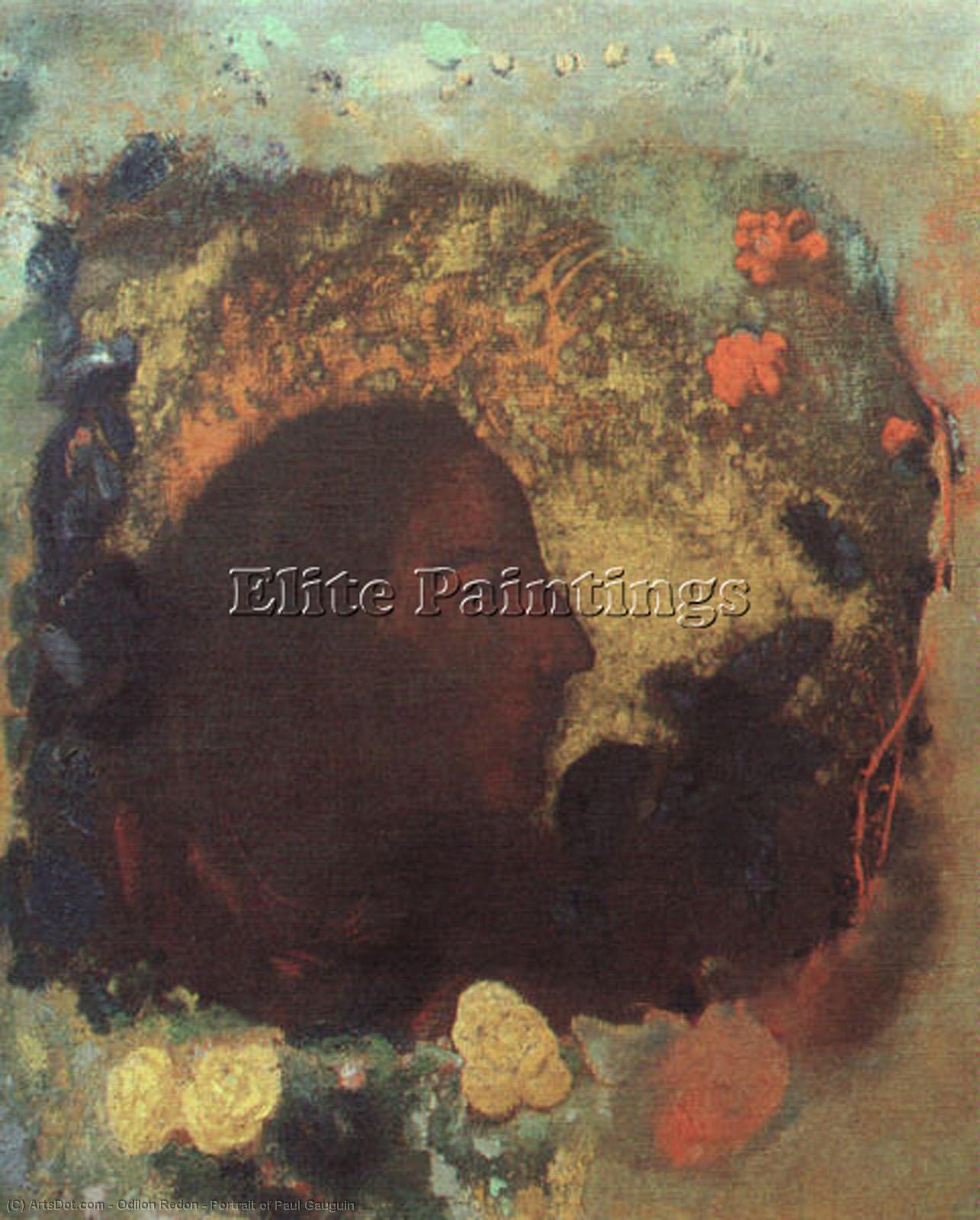
Portrait of Paul Gauguin: A Symbolist Masterpiece by Odilon Redon
- Title: Portrait of Paul Gauguin
- Artist: Odilon Redon
- Date: 1903
- Medium: Oil on Canvas
- Location: Musée d'Orsay, Paris, France
Symbolism and Artistic Context
The Portrait of Paul Gauguin is a remarkable oil on canvas painting created by the renowned French artist Odilon Redon in 1903. This masterpiece is a quintessential representation of the Symbolism art movement, which sought to convey absolute truths through symbolic language and metaphorical images. As explained on The Symbolism Art Movement page on ArtsDot, this movement emerged as a reaction against naturalism and realism, which were the dominant art movements of the time.
Subject and Composition
This portrait depicts Paul Gauguin, a prominent figure in the Post-Impressionist movement. As noted on Wikipedia, Paul Gauguin was a French painter whose work introduced new modes of representation and influenced avant-garde artistic movements of the early 20th century. The painting showcases Redon's ability to capture the essence of his subject. The composition features a vibrant color scheme and a unique blend of realism and symbolism. Gauguin’s dark profile stands out against a medallion, reminiscent of funerary reliefs or ancient medals. Redon deliberately avoids a realistic likeness, focusing instead on conveying an emotional and symbolic portrait.
Technique and Style
Redon's technique in the Portrait of Paul Gauguin is characterized by loose brushwork and a flattened perspective, typical of Symbolist art. The use of color and light is reminiscent of techniques used during this period. The painting also showcases Redon’s experimentation with geometric forms, which was a characteristic of the Proto-Cubism movement. The impasto-like application of paint, utilizing thick layers and visible brushstrokes, creates a rough, tactile surface that adds depth and texture to the artwork.
Symbolism and Emotional Impact
The wreath encircling Gauguin’s head is rich in symbolism, often associated with remembrance, cycles of life, or protection. Redon's choice of muted colors and indistinct features evokes a sense of melancholy, introspection, and perhaps a touch of sadness. The portrait was created shortly after Gauguin's death in the Marquesas Islands, and it serves as an apotheosis of a glorified friend, celebrating their shared belief in the transcendence of art. The painting’s overall effect is one of ethereal beauty and profound emotional depth.