Initially Mannerist, evolving to incorporate elements of Caravaggio's naturalism. Characterized by bright colors, dramatic compositions, a lighter palette, precise detail, and an elegant, courtly style in later works.
Explore the National Gallery of Art in Washington D.C.! Discover masterpieces from Renaissance to modern art, including works by Raphael, Van Gogh & more. Free admission!
The Lute Player: A Baroque Portrait Steeped in Symbolism
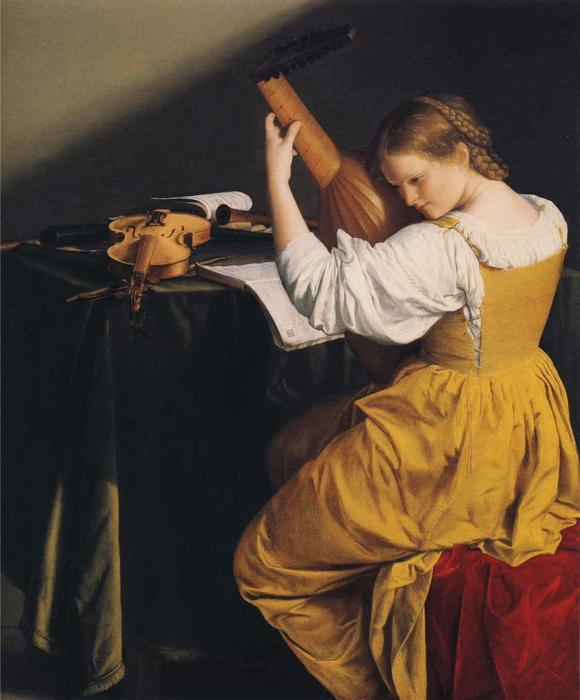
Orazio Gentileschi’s *The Lute Player*, completed around 1612–1615, stands as a testament to the burgeoning artistic fervor of Rome during the early Baroque period. More than just a depiction of a woman playing an instrument—the lute—it embodies complex ideas about harmony, contemplation, and feminine virtue, reflecting the intellectual currents shaping European culture at the time.
- Subject Matter: The painting portrays Cecilia Giovanna Gonzaga, Duchess of Alba’s daughter, seated at a table with a lute in her hands. This choice of subject was deliberate; Cecilia represented the ideal woman— pious, virtuous, and intellectually refined – qualities highly valued by aristocratic patrons.
- Style & Technique: Gentileschi skillfully employed Caravaggio's revolutionary technique of *tenebrismo*, characterized by dramatic contrasts between light and dark. The luminous glow illuminating Cecilia’s face and hands draws the viewer’s eye inwards, emphasizing her inner serenity while simultaneously highlighting the meticulous detail with which Gentileschi rendered fabrics and textures.
- Historical Context: Created during a period of intense artistic experimentation following Caravaggio's influence, *The Lute Player* aligns itself with the broader Baroque aesthetic—a movement that prioritized emotional intensity and grandeur. It reflects the humanist ideals prevalent in aristocratic circles, where artists sought to convey moral lessons alongside visual beauty.
- Symbolism: The lute itself is laden with symbolic significance. Traditionally associated with music and harmony, it represents intellectual contemplation and spiritual devotion. Cecilia’s posture—slightly turned away from the viewer—suggests introspection and a focus on inner experience. Furthermore, the surrounding objects – including a violin, shawm, and musical scores – reinforce the painting's thematic core.
Gentileschi’s masterful handling of color contributes to the artwork’s emotional impact. The lemon-yellow dress Cecilia wears symbolizes purity and nobility—a deliberate choice that underscores her moral character. The artist’s meticulous attention to detail ensures that every element of the composition resonates with visual richness and conveys a profound sense of stillness.
Displayed prominently in the Schönborn Collection, *The Lute Player* continues to captivate audiences today. Its enduring appeal lies not only in its technical brilliance but also in its ability to evoke contemplation and admiration for the beauty of human intellect and virtue—qualities that remain relevant across centuries.