Introduction
In the realm of modern art, few works capture the essence of human emotion as poignantly as
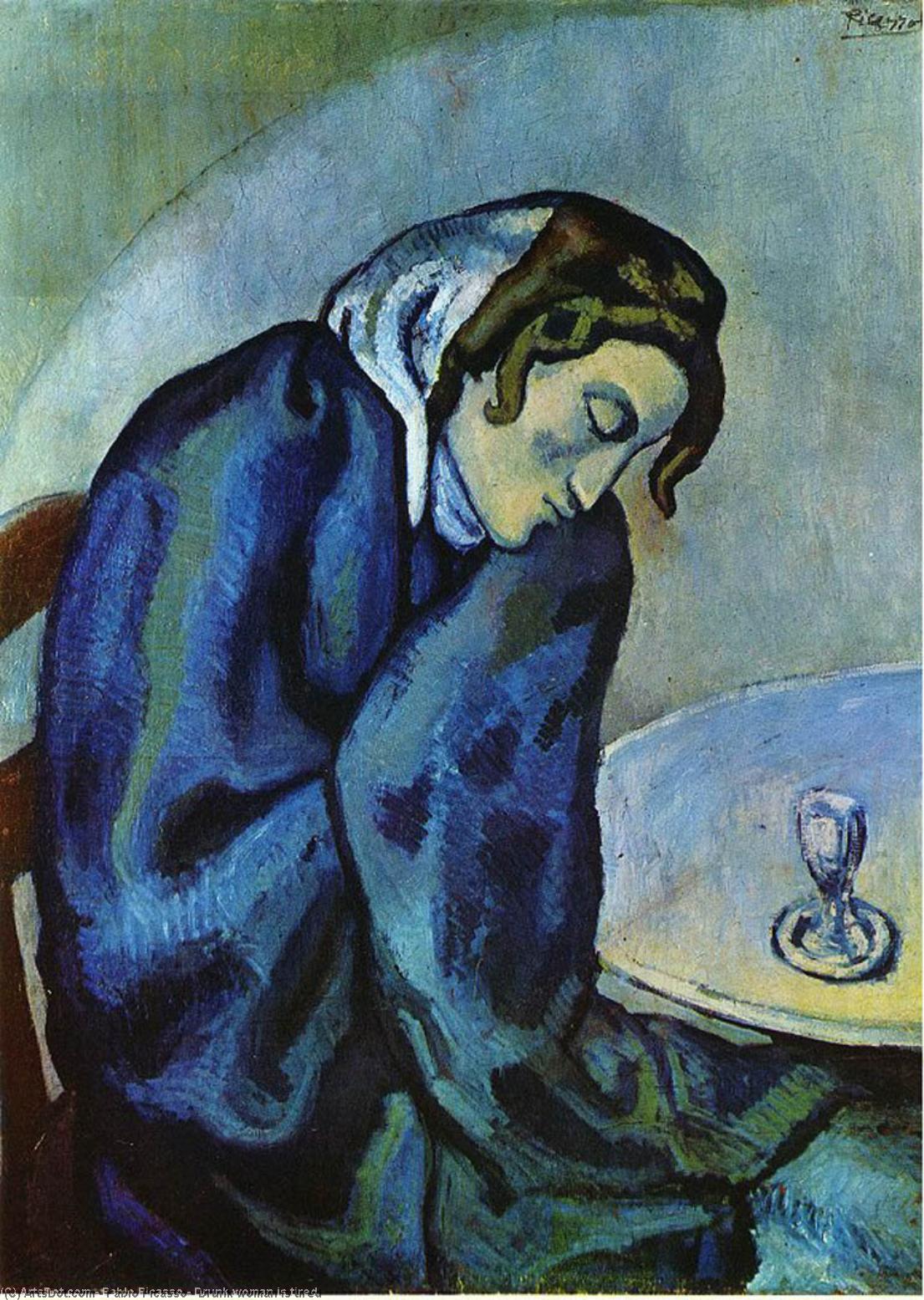
Pablo Picasso's "Drunk Woman is Tired." This 1902 oil on canvas painting, measuring 80 x 62 cm, is a quintessential example of Expressionism. It is housed in the esteemed
Von Der Heydt Museum, Wuppertal, Germany.
The Painting's Context
During his Blue Period (1901-1904), Picasso was deeply influenced by social and political issues, often depicting scenes of poverty, suffering, and isolation. "Drunk Woman is Tired" reflects this thematic focus, presenting a somber portrait of a woman overwhelmed by her circumstances.
Composition and Symbolism
The painting features a woman with long hair, wearing a head scarf, resting her head on a table. The setting includes two chairs and a wine glass, suggesting a moment of exhaustion and possibly intoxication. The use of muted colors and bold brushstrokes emphasizes the subject's emotional state.
Artistic Style
Picasso's Expressionist style is evident in the distorted forms and exaggerated expressions, which convey intense emotions. This technique allows the viewer to connect with the woman's despair on a deeper level.
Relevance and Impact
"Drunk Woman is Tired" is not only a powerful work of art but also a reflection of the societal issues of its time. It highlights the struggles faced by women in early 20th-century Europe, making it a significant piece in the context of feminist art.
Other Relevant Works
Picasso's other notable works from this period include:
Conclusion
"Drunk Woman is Tired" by Pablo Picasso is a masterpiece that encapsulates the essence of Expressionism and the human experience. Its powerful depiction of emotional exhaustion continues to resonate with audiences today. For those interested in exploring more works by Picasso or other artists, visit
https://ArtsDot.com for high-quality handmade oil painting reproductions.