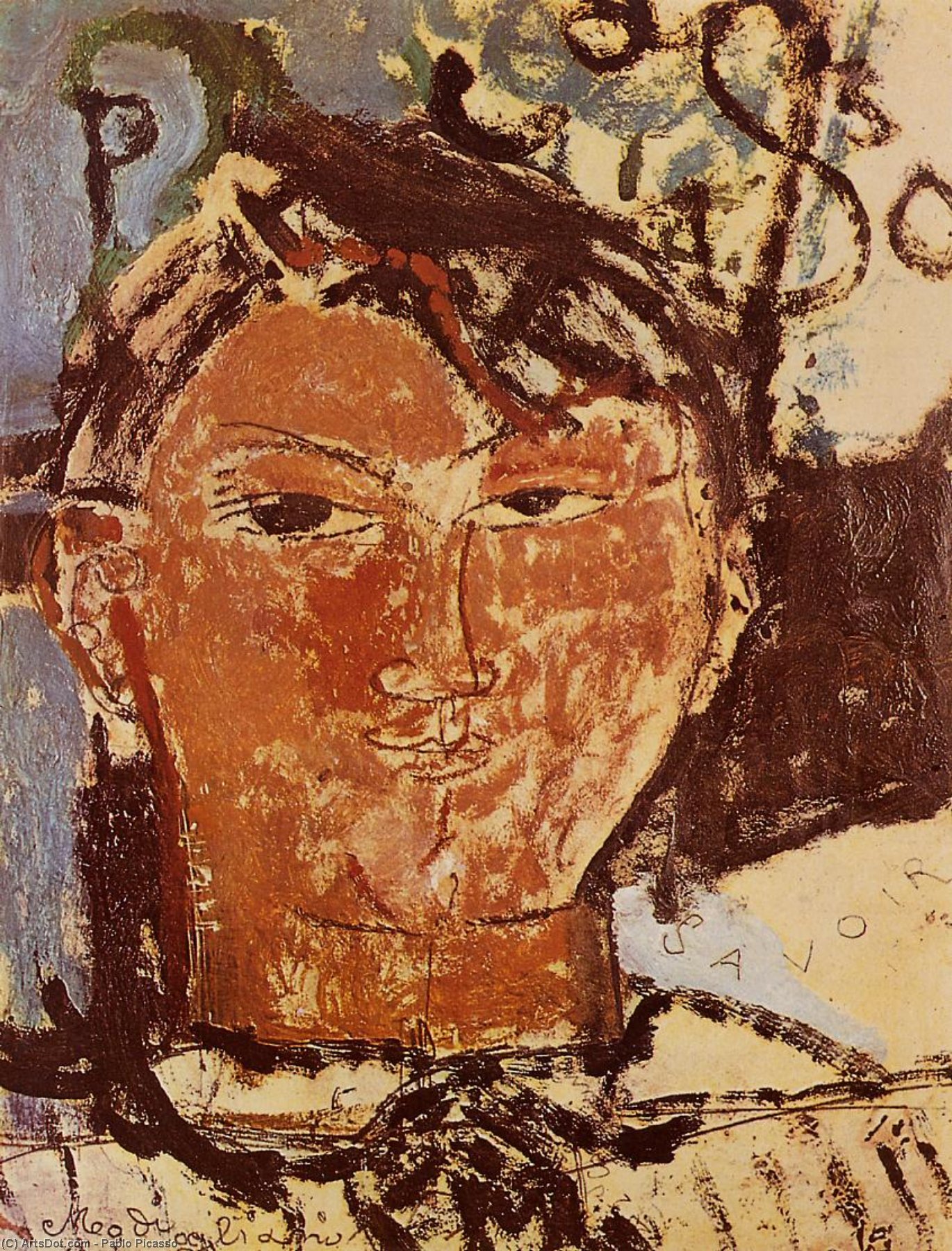
Explore Picasso’s ‘Portrait of Daniel-Henry Kahnweiler,’ a landmark Analytical Cubist painting. Discover fragmented forms, earth tones & a tribute to a key art dealer.
Pablo Picasso (1881-1973) was a revolutionary Spanish painter and sculptor, co-founder of Cubism, and master of diverse styles. Known for iconic works like Guernica & Les Demoiselles d'Avignon, his legacy continues to inspire.
Explore the Art Institute of Chicago's world-renowned collection! Discover masterpieces from Monet to Van Gogh & experience stunning architecture in this iconic landmark.
A Landmark of Analytical Cubism
Painted in 1910, this striking portrait marks a pivotal moment in Pablo Picasso’s artistic evolution and within the broader history of modern art. Depicting Daniel-Henry Kahnweiler, a prominent Parisian art dealer who championed his work, it is not merely a likeness but a radical deconstruction of representation itself – a defining example of Analytical Cubism.
Deconstructing Form & Perspective
Rejecting traditional portraiture’s emphasis on realistic depiction, Picasso dissects Kahnweiler's form into fragmented planes and geometric shapes. The subject isn't presented as a unified whole, but rather as multiple perspectives simultaneously rendered onto the canvas. This innovative approach challenges the viewer to actively reconstruct the image in their mind, engaging with the artwork on an intellectual and perceptual level. Notice how familiar features – the curve of a brow, the line of a jaw – emerge from this fractured composition, hinting at Kahnweiler’s presence without offering conventional clarity.
A Palette of Earth & Intellect
The painting's color palette is deliberately restrained, dominated by ochres, browns, and grays. These earth tones contribute to the work’s somber yet intellectual atmosphere, avoiding bright hues that might distract from the formal experimentation. The limited range emphasizes tonal variations and textural contrasts created through visible brushstrokes, adding depth and a tactile quality to the surface. This deliberate choice reinforces the painting's focus on structure and form over purely aesthetic appeal.
Kahnweiler & The Rise of Cubism
Daniel-Henry Kahnweiler was more than just a sitter; he was a crucial figure in the development and promotion of Cubism. His unwavering support provided Picasso – along with Georges Braque – the freedom to explore this revolutionary style. This portrait, therefore, serves as both a tribute to their friendship *and* a visual manifesto of the artistic movement Kahnweiler so passionately believed in. The inclusion of fragmented lettering ("PARIS…SAVOIR") subtly alludes to the intellectual and cultural ferment of Paris at the time, the epicenter of avant-garde thought.
Emotional Resonance & Lasting Impact
Beyond its formal innovations, this portrait evokes a sense of introspection and quiet intensity. Kahnweiler’s gaze is direct yet enigmatic, inviting contemplation. The fragmented form can be interpreted as reflecting the complexities of modern life – a world increasingly fractured and uncertain. As a cornerstone of Analytical Cubism, this artwork continues to inspire artists and captivate audiences with its groundbreaking approach to representation and enduring emotional power. Owning a reproduction allows you to bring a piece of art history into your space, sparking conversation and enriching your surroundings with the spirit of innovation.