The Haunting Elegance of a Moment
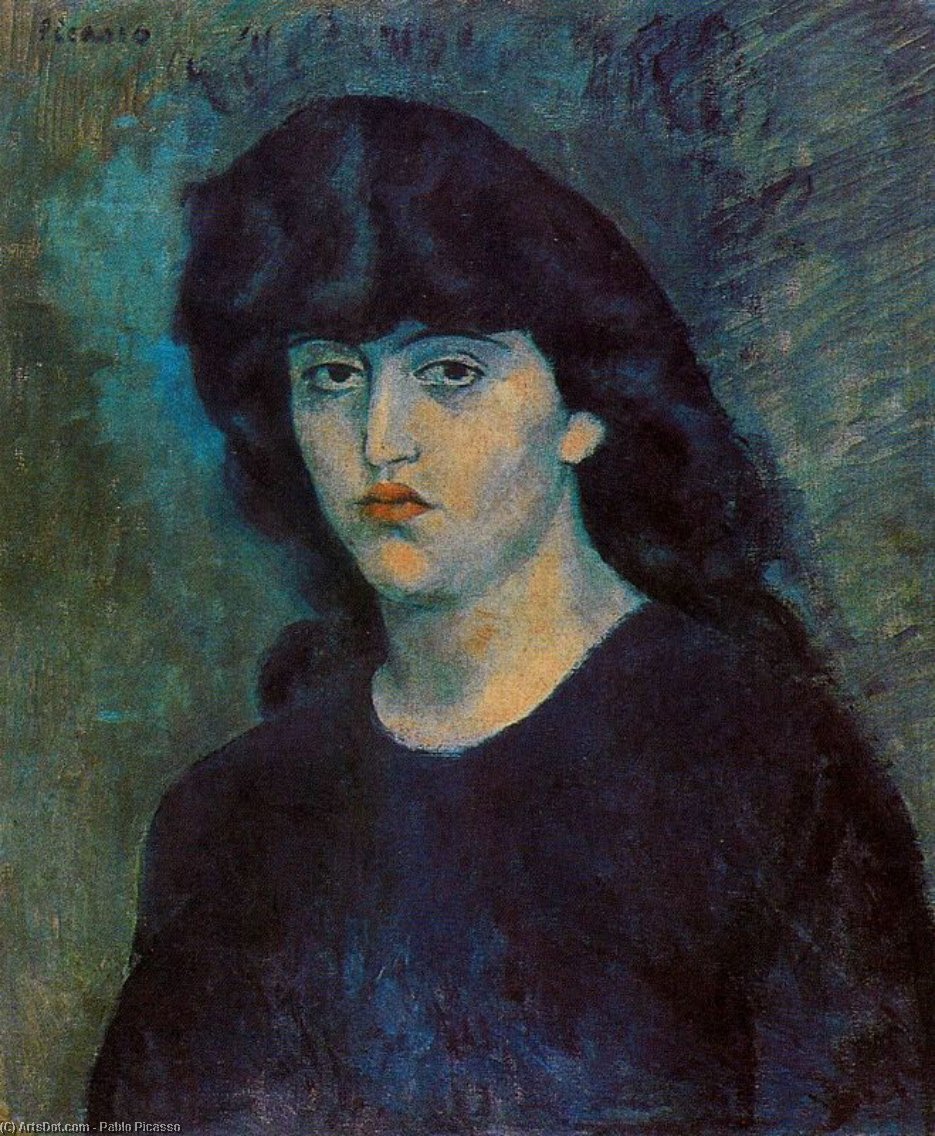
Pablo Picasso’s “Portrait of Suzanne Bloch” (1904) isn't merely a likeness; it’s a distilled essence of melancholy, a poignant snapshot captured within the artist’s distinctive Blue Period. This intimate painting, now residing in the São Paulo Museum of Art, immediately draws the viewer into a world of quiet introspection and subtle sorrow. It’s a work that speaks volumes through its restraint—a testament to Picasso's ability to convey profound emotion with remarkably few brushstrokes.

A Glimpse into the Blue Period
“Portrait of Suzanne Bloch” is a quintessential example of Picasso’s Blue Period, a time in his artistic development marked by somber hues and a preoccupation with themes of poverty, loss, and loneliness. Following the death of his sister, Conchita, and fueled by personal tragedy, Picasso immersed himself in this emotionally charged style. The palette—dominated by blues, greys, and blacks—reflects not just the visual world but also the artist’s internal state. The cool tones create a sense of distance and introspection, mirroring Suzanne Bloch's own perceived demeanor.
Suzanne Bloch: A Singular Subject
Suzanne Bloch was more than just a model; she was a vibrant figure in the Parisian artistic circles of the early 20th century. A celebrated Wagnerian soprano, her voice and presence captivated audiences. Introduced to Picasso by the poet Max Jacob, she became a regular subject for the artist during this period. The portrait isn’t simply a representation of her physical appearance; it attempts to capture something deeper – perhaps the weight of her profession, the quiet dignity of a woman accustomed to commanding attention, or even a hint of underlying sadness.
Symbolism and Technique
Picasso's masterful technique is evident in the subtle shifts of tone and the carefully rendered details. The upward tilt of Suzanne Bloch’s head, her direct gaze towards the viewer, and the slight furrowing of her brow all contribute to a sense of seriousness and contemplation. Notice how Picasso uses broken brushstrokes to create texture and depth, particularly in the fabric of her shirt. The dark background serves to isolate the subject, intensifying the emotional impact of the portrait. The use of monochromatic blues creates an atmosphere of quiet intensity, emphasizing the painting's melancholic mood.
A Legacy of Emotion
“Portrait of Suzanne Bloch” remains a powerful and enduring work of art. It’s a poignant reminder of Picasso’s ability to translate personal experience into universal emotion. More than just a portrait, it is an exploration of the human condition—a meditation on beauty, sorrow, and the complexities of life. ArtsDot offers meticulously crafted hand-painted reproductions that faithfully capture the essence of this iconic masterpiece, allowing you to bring its haunting elegance into your own space.