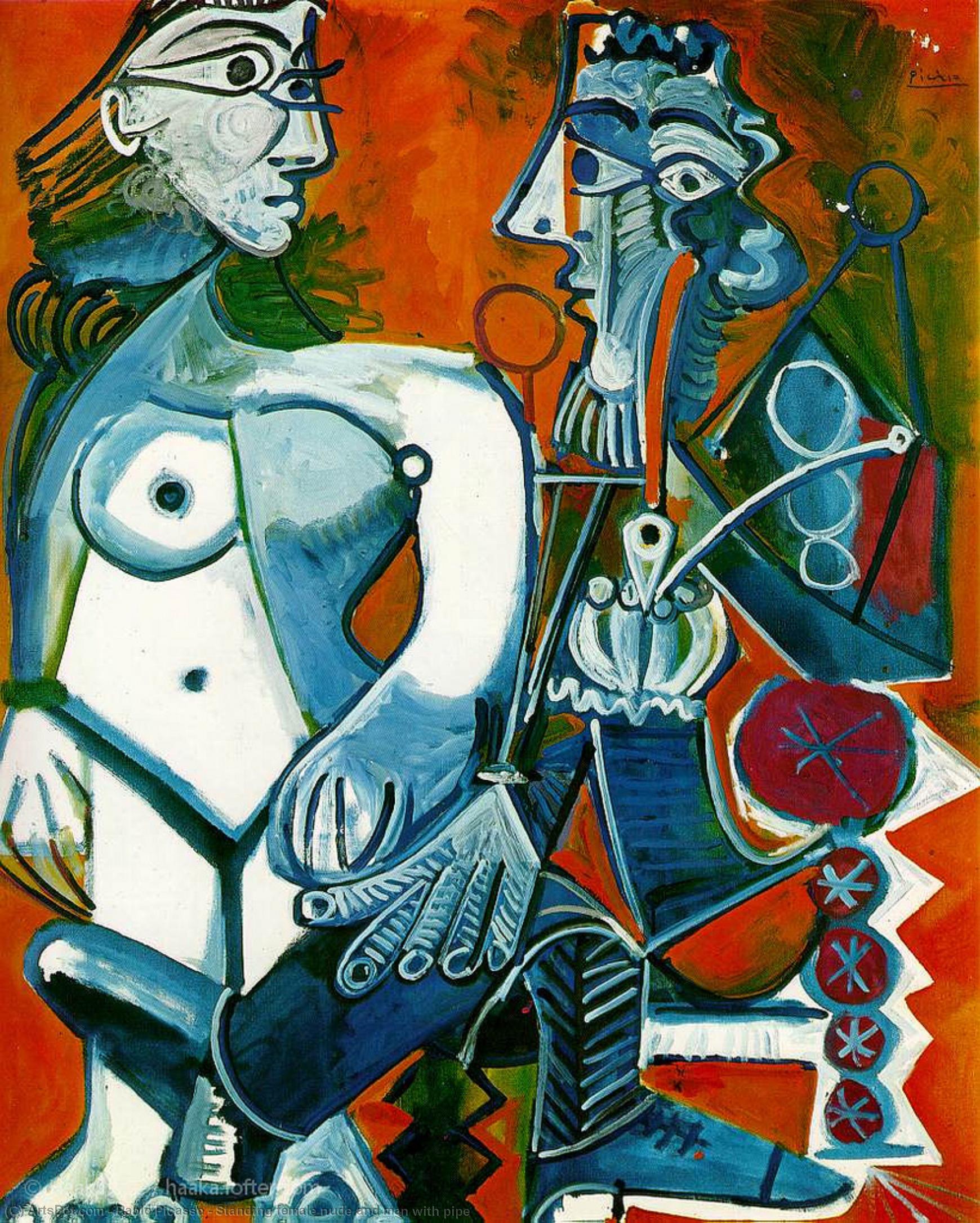
Pablo Picasso: A Revolutionary Artist
Pablo Ruiz y Picasso, born October 25, 1881, in Málaga, Spain, demonstrated artistic talent from a very young age. His father, José Ruiz y Blasco, was an art teacher who provided his son with early training. It’s said Picasso's first words were “piz, piz” – attempting to say ‘pencil’. Picasso quickly surpassed his father’s abilities, showing remarkable skill in naturalistic depictions. The family moved to A Coruña and later Barcelona after the tragic loss of Picasso’s sister. In Barcelona, he attended the School of Fine Arts but often clashed with traditional academic instruction. He briefly studied at the Royal Academy of San Fernando in Madrid, finding it stifling and preferring to study masters like Velázquez and Goya independently.
The Blue Period (1901-1906)
Picasso’s artistic journey began during his formative years with a distinctive style characterized by melancholic hues—primarily blues and greens—reflecting themes of poverty, despair, and loneliness. This period showcased his ability to convey profound emotion through simplified forms and expressive brushstrokes.
Cubism: A Paradigm Shift (1907-1914)
A pivotal moment arrived with the emergence of Cubism alongside Georges Braque, marking a radical departure from traditional representation. Picasso fragmented objects into geometric planes, presenting multiple perspectives simultaneously—a technique that challenged viewers’ perception and paved the way for abstract art.
Guernica: A Testament to Protest (1937)
Perhaps Picasso's most iconic work, Guernica, is a monumental black-and-white mural depicting the horrors of the Spanish Civil War. Its powerful imagery—screaming figures, distorted faces—serves as an enduring symbol of suffering and resistance against oppression.
Later Years: Experimentation and Legacy (1940s-1973)
Throughout his later years, Picasso continued to explore diverse mediums and styles, experimenting with ceramics, sculpture, and printmaking. His prolific output solidified his position as one of the 20th century’s most influential artists—a visionary who reshaped artistic conventions and captivated audiences worldwide.
Relevance to Art Movements
"Standing female nude and man with pipe" embodies Picasso's exploration of Surrealism, blending traditional techniques with modernist elements. This piece is a testament to his versatility and ability to adapt various artistic movements into his work. For more information on Surrealism, visit The Surrealist Art Movement at ArtsDot.
Conclusion
"Standing female nude and man with pipe" by Pablo Picasso is a significant work that showcases the artist’s exploration of Surrealism. The painting's simplicity, combined with its rich symbolism and vibrant colors, makes it a compelling piece for art enthusiasts. For those interested in acquiring high-quality reproductions of this and other artworks, ArtsDot offers handmade oil paintings that capture the essence of the originals.
Wikipedia.org - Surrealism provides further insights into the characteristics and history of this art movement.
Photo Description: The image is a painting of two people standing next to each other. The woman appears to be naked while the man has a pipe in his mouth. They seem to be engaged in conversation or interacting with one another. In addition to the main subjects, there are several other objects present in the scene. There is a clock on the wall behind them and a chair nearby. A bowl can also be seen placed on a surface close to the woman. The painting has a vibrant color scheme, adding depth and interest to the composition.
Size: Unknown
Date: 1968