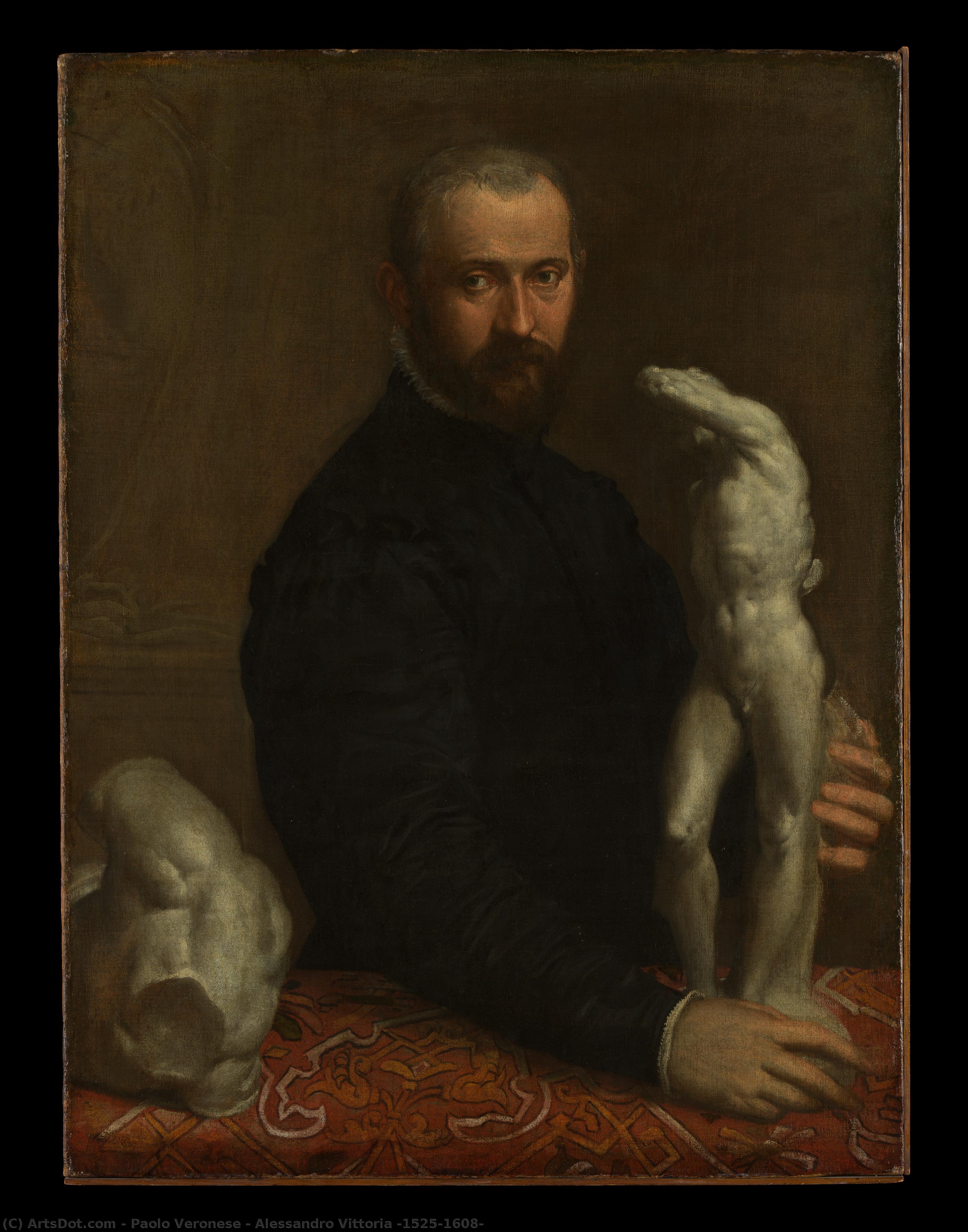
Alessandro Vittoria (1525–1608): A Portrait of Venetian Artistic Prowess
Paolo Veronese’s Alessandro Vittoria (1525–1608) is a captivating portrait that offers a glimpse into the vibrant artistic landscape of Renaissance Venice. Created around 1580, this oil on canvas masterpiece transcends a simple likeness; it's a testament to the collaborative spirit between two titans of their time – the celebrated painter Veronese and the renowned sculptor Alessandro Vittoria.
The Subject: A Master Sculptor in His Element
Alessandro Vittoria (1525–1608) stands as one of the most significant sculptors of the Venetian Renaissance. While his name might not be as universally recognized as some contemporaries, his impact on Venetian art is undeniable. He was celebrated for his ability to infuse classical ideals with a distinctly Venetian sensibility. Among his most famous works is the statue of St Sebastian, carved between 1561-62 for the church of San Francesco della Vigna in Venice, a piece that exemplifies his skill and artistry. This portrait was one of five commissioned by Vittoria himself, intended to showcase his artistic connections and elevate his own standing within the Venetian art world.
Veronese's Artistic Vision: Color, Detail, and Grandeur
Paolo Veronese (1528–1588) was a master of color and composition. Known for his lavish depictions of feasts and celebrations, he brought a sense of grandeur and dynamism to every canvas. In this portrait, Veronese’s signature style is evident in the rich, warm tones, the meticulous detail in rendering textures (from Vittoria's beard to the marble sculptures), and the dramatic lighting that highlights the subject's face and hands. The composition itself is carefully balanced, drawing the viewer's eye to Vittoria while subtly incorporating elements of his sculptural work.
Symbolism and Significance: A Dialogue Between Disciplines
The painting’s significance extends beyond a mere portrait. It represents a fascinating dialogue between two artistic disciplines – painting and sculpture. The inclusion of models for St Sebastian is particularly noteworthy, symbolizing the close relationship and mutual respect between Veronese and Vittoria. These sculptures aren't just props; they are integral to understanding Vittoria’s identity as an artist and a testament to his creative process. The dark background serves to emphasize the figures and their creations, lending a sense of solemnity and importance to the scene. The overall effect is one of intellectual curiosity and artistic ambition.
A Lasting Legacy: Renaissance Art at its Finest
Alessandro Vittoria (1525–1608) remains a powerful example of Venetian Renaissance art, showcasing not only the individual talents of Veronese and Vittoria but also the collaborative spirit that defined this era. Currently housed at The Metropolitan Museum of Art, this painting continues to inspire awe and admiration for its technical brilliance and historical significance. Owning a hand-painted reproduction allows you to bring a piece of this artistic heritage into your own space, enriching your environment with beauty and history.