Paul Ayshford Methuen
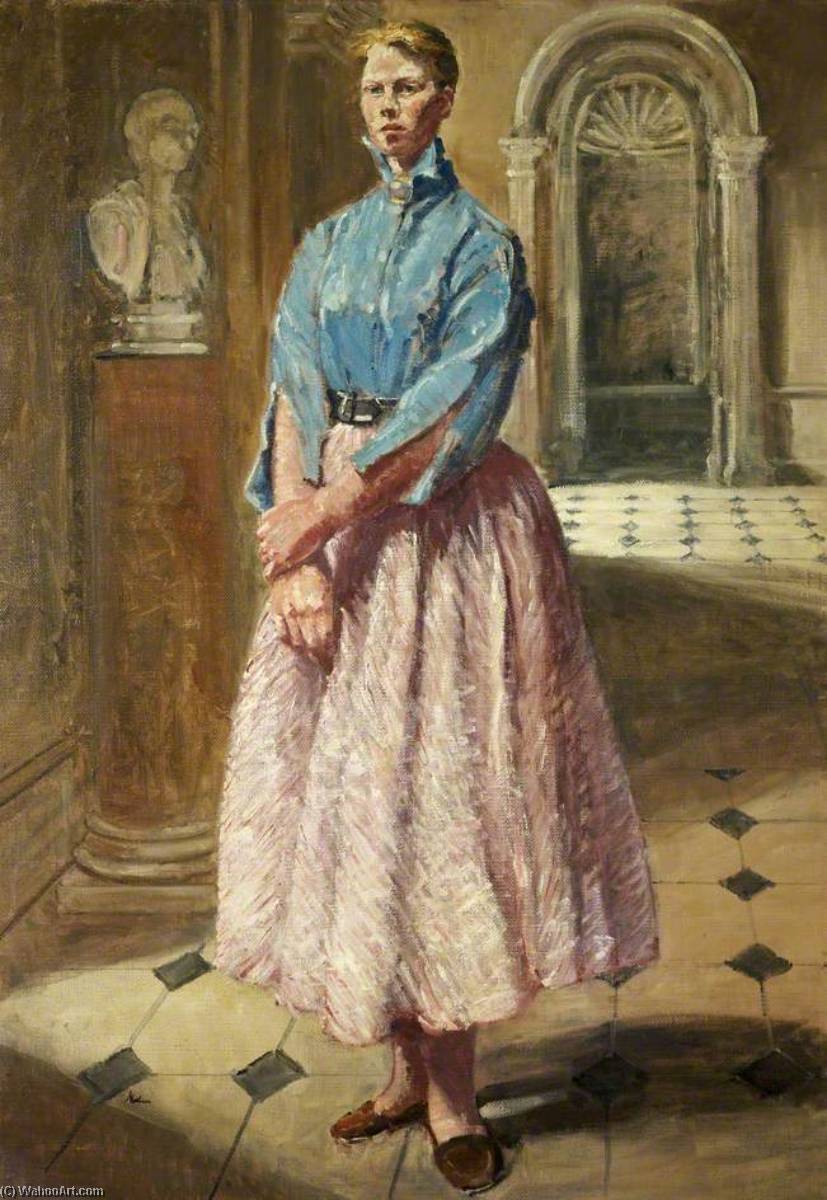
Miss Margaret MacKean
Corsham
United Kingdom
1886
Field Marshal Paul Sanford Methuen, 3rd Baron Methuen, (1 September 1845 – 30 October 1932) was a British Army officer.
Educated at Eton College, Methuen served two years as a cornet in the Royal Wiltshire Yeomanry and then joined the Scots Fusilier Guards as an ensign in the regiment and lieutenant in the army on 22 No
Discover Paul Ayshford Methuen (1886-1974), British painter, zoologist & Baron. Explore his landscapes, urban scenes, and legacy restoring Corsham Court.
Discover the Royal West of England Academy (RWA) in Bristol! Explore historic & contemporary British art, exhibitions, workshops & events in a stunning Grade II* listed building since 1844.
Miss Margaret MacKean: A Portrait of Victorian Dignity
Paul Ayshford Methuen’s “Miss Margaret MacKean,” completed around 1958, is more than just a depiction of a woman; it's a window into the social conventions and artistic sensibilities of the late nineteenth century. Exhibited by the Royal West of England Academy in Bristol, this oil painting captures a moment frozen in time—a young lady standing before a doorway, radiating composure and grace.
The portrait’s style leans heavily towards Impressionism, albeit filtered through Methuen's meticulous hand. While acknowledging the influence of artists like Monet and Renoir, Methuen eschewed their loose brushstrokes for a more controlled technique—a deliberate choice that prioritizes tonal subtlety and nuanced detail. The artist skillfully employs layering to achieve depth and luminosity, capturing the soft glow of light filtering through the doorway onto MacKean’s dress.
Beyond its aesthetic qualities, “Miss Margaret MacKean” speaks volumes about Victorian ideals of femininity. MacKean's posture embodies restraint and dignity—a hallmark of Victorian portraiture where women were often presented as symbols of virtue and domestic tranquility. The inclusion of the clock serves as a poignant reminder of the era’s preoccupation with time and order, mirroring the societal expectations placed upon women during that period.
The photograph showcases the painting's composition—a carefully considered arrangement designed to convey both visual beauty and psychological resonance. Notice how Methuen utilizes perspective to draw the viewer into the scene, creating a sense of intimacy despite the formal setting. The subtle color palette contributes to the overall mood, emphasizing warmth and serenity.
“Miss Margaret MacKean” remains an enduring testament to Victorian artistry—a captivating piece that invites contemplation on beauty, social norms, and the passage of time. Its meticulous execution and evocative atmosphere continue to inspire admiration among collectors and art enthusiasts alike.