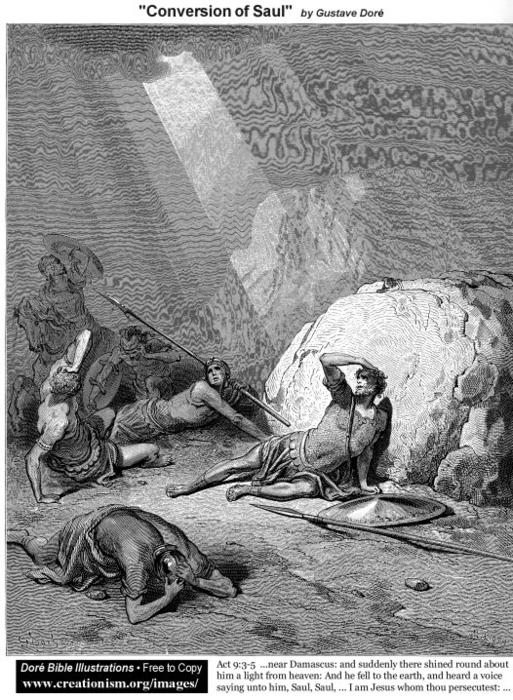
Conversion Of Saul - Gustave Dore - A Dramatic Encounter with Divine Light
Gustave Doré’s “Conversion of Saul,” executed in 1842-45, stands as an arresting testament to Romantic artistic fervor and Michelangelo's masterful depiction of faith. This monumental fresco resides within the Pauline Chapel of Vatican City, commissioned by Pope Pius IX to commemorate the centenary of papal infallibility—a poignant reminder of the enduring power of religious iconography. Doré’s engraving, however, captures a similar spiritual essence with breathtaking precision and emotional intensity, mirroring Michelangelo's profound exploration of human experience amidst divine intervention.
- Subject Matter: The artwork recounts the biblical narrative of Saul’s transformative encounter on the road to Damascus—a pivotal moment in Christian theology where the persecutor of Christians miraculously embraces Christianity. Doré skillfully portrays this dramatic episode, emphasizing not merely the event itself but its psychological and spiritual repercussions.
- Style: Doré's style firmly anchors itself within Romanticism, prioritizing emotive expression over strict realism. He eschews polished surfaces for a textured aesthetic that conveys palpable drama and underscores the urgency of the scene. The artist’s meticulous attention to detail—particularly in capturing human anatomy—elevates the engraving beyond mere illustration.
- Technique: Doré employed a groundbreaking hatching and cross-hatching technique, meticulously applied to create tonal variations that illuminate the contours of figures and landscapes alike. This painstaking process resulted in an astonishing level of textural richness, mirroring Michelangelo’s masterful use of mezzo fresco—a method where pigment penetrates only slightly into the plaster surface—to achieve unparalleled depth and luminosity.
Composition & Visual Elements: A Symphony of Light and Shadow
The composition is deliberately asymmetrical, directing the viewer's gaze toward Saul’s central figure—a man humbled before divine grace. The scene unfolds against a rugged landscape dominated by a colossal boulder, symbolizing resistance to faith. Above Saul hangs a radiant beam of light emanating from Christ, casting dramatic shadows that heighten the emotional impact and underscore the transformative nature of Saul’s conversion. Michelangelo similarly utilized atmospheric perspective to convey depth—a technique where distant objects appear less detailed than those closer to the viewer—creating an immersive experience for the observer.
Symbolism & Emotional Resonance: The Weight of Humility
Doré's masterful depiction embodies profound symbolic significance. Saul’s prostrate posture represents utter humility and submission before God, mirroring Michelangelo’s portrayal of human vulnerability amidst divine majesty. The surrounding figures—angels bearing spears and kneeling in reverence—express awe and faith—a testament to the enduring power of religious imagery. Michelangelo’s “Conversion of Saul” powerfully communicates the spiritual struggle inherent in accepting faith—a theme that resonates across centuries.
Historical Context & Artistic Legacy: Doré's Influence on Michelangelo
Gustave Doré’s engraving stands as a remarkable parallel to Michelangelo’s fresco, demonstrating the shared artistic sensibilities of their era. Both artists prioritized emotive expression and anatomical accuracy—a departure from prevailing academic conventions—resulting in works that continue to inspire admiration for their dramatic power and technical virtuosity. Doré's technique—particularly his meticulous hatching and cross-hatching—directly influenced Michelangelo’s approach, cementing the engraving’s place as a cornerstone of Romantic art history.