A Symphony in Shadow and Stone: Exploring Gustave Doré's 'The New Zealander'
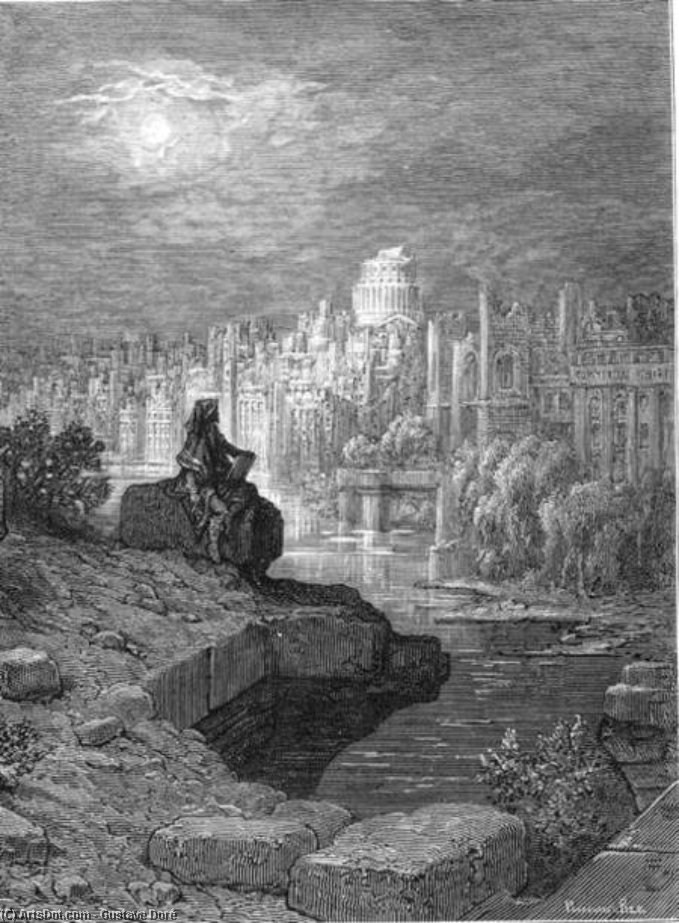
Gustave Doré’s ‘The New Zealander,’ completed in 1873, stands as a haunting testament to Romanticism’s preoccupation with the sublime—that exquisite blend of terror and awe evoked by confronting the grandeur of nature alongside the fragility of human existence. More than just an illustration for Dickens' *Oliver Twist*, it’s a meticulously crafted engraving that delves into themes of despair, resilience, and the enduring spirit of humanity against overwhelming odds.
- Historical Context: Doré’s work emerged during Victorian England, a period marked by rapid industrialization and social upheaval. Dickens' novel powerfully captured the grim realities of poverty and criminality, prompting artists like Doré to grapple with moral dilemmas and explore the darker recesses of human psychology.
- Style & Technique: Doré’s masterful use of engraving—a technique demanding painstaking precision—allowed him to achieve unparalleled tonal range and textural detail. The artist employed hatching and cross-hatching extensively, layering lines to create a palpable sense of depth and atmosphere. This meticulous process resulted in an image that feels both monumental and intimately observed.
- Composition: The engraving’s vertical orientation emphasizes the towering presence of the ruined cityscape against which a solitary figure struggles. A meandering river serves as a horizontal counterpoint, grounding the scene while simultaneously conveying a feeling of stagnation and isolation.
- Lighting & Color Palette: Dominating the image is an oppressive moonlight—a deliberate choice by Doré to heighten the emotional impact. The stark contrasts between light and shadow sculpt the architectural details and illuminate the figure’s silhouette, creating a dramatic visual narrative.
Symbolism & Emotional Impact: ‘The New Zealander’ transcends its literary origins to resonate with broader philosophical concerns. The ruined city symbolizes decay and loss—the inevitable consequence of ambition and societal failings. Yet, the lone figure embodies perseverance and hope—a quiet defiance against despair. Doré's deliberate use of muted tones contributes to a pervasive mood of melancholy contemplation.
Doré’s engraving isn’t merely a depiction of a place; it’s an exploration of the human condition. It invites viewers to confront uncomfortable truths about vulnerability and resilience, reminding us that even amidst ruin, beauty—and perhaps redemption—can endure. Its enduring power lies in its ability to evoke profound emotion and provoke reflection on our relationship with both nature and ourselves.
- Materials: The artwork is executed on paper using ink—a traditional medium favored by Romantic artists for its expressive qualities.
‘The New Zealander’ continues to captivate audiences today, serving as a poignant reminder of Doré's artistic genius and the enduring legacy of Romanticism. Its meticulous detail and evocative atmosphere offer an unparalleled glimpse into Victorian sensibilities and a timeless meditation on human experience.