A Vision of Rugged Majesty: Examining Gustave Doré’s Untitled (1688)
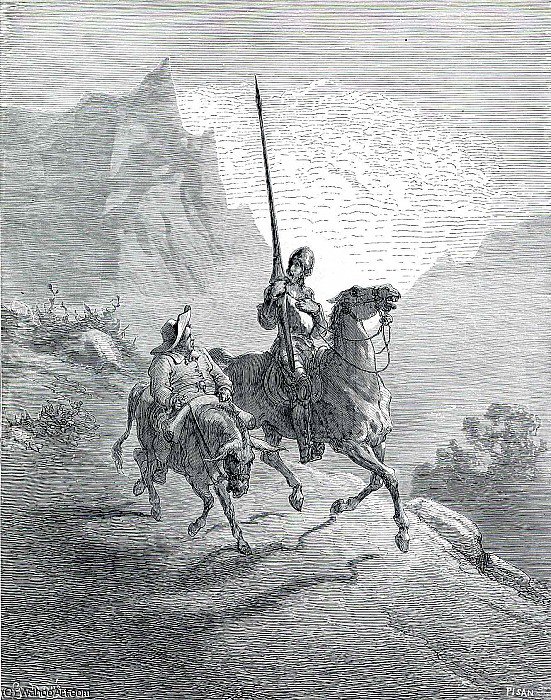
Gustave Doré's “Untitled” (1688), a striking black and white engraving, transcends mere visual representation; it embodies the spirit of Romanticism—a movement obsessed with dramatic landscapes and heroic narratives—and offers a profound glimpse into the artistic sensibilities of its time. Published in 1888, this artwork isn’t simply a depiction of a mountainous scene; it's an invitation to contemplate themes of perseverance, vulnerability, and the sublime beauty found amidst hardship.
- Subject Matter: The engraving portrays two figures—presumably travelers—ascending a formidable mountain peak. Accompanying them is a donkey, symbolizing humility and steadfastness, adding layers of symbolic significance to the composition.
- Style & Technique: Doré’s masterful execution exemplifies the Romantic style's dedication to meticulous detail and expressive linework. Employing engraving techniques—cutting lines into metal plates followed by ink application and pressing onto paper—he achieved unparalleled tonal gradation and textural illusion.
The artist’s skillful use of hatching and cross-hatching is particularly noteworthy. These techniques meticulously build up shading, conveying the rough texture of the rocky terrain with remarkable accuracy. Light emanates from above, casting dramatic shadows that sculpt the forms of the riders and heighten the overall sense of atmosphere. The perspective—linear and atmospheric—further enhances depth, pulling the viewer into the scene’s expansive vista.
- Historical Context: Doré's work draws inspiration from Vincent van Gogh’s own experience at Saint-Paul Asylum in Saint-Rémy, where he created “Prisoners’ Round” – an engraving directly referencing Doré’s depiction of Newgate Prison. This connection underscores the shared preoccupation with themes of confinement and resilience prevalent within Romantic art.
- Symbolism & Emotional Impact: Beyond its aesthetic qualities, "Untitled" speaks to a deeper emotional resonance. The towering mountain represents challenges overcome, while the figures embody courage and determination. The subdued palette contributes to an aura of solemn contemplation, inviting viewers to ponder the grandeur of nature alongside the human spirit’s capacity for endurance.
“Untitled” (1688) stands as a testament to Doré's artistic prowess—a captivating blend of observation, imagination, and technical mastery. Its enduring appeal lies in its ability to transport us back to an era defined by Romantic fervor and to provoke contemplation on fundamental human experiences.