Paul Gustave Doré
untitled (2211)
Strasbourg
France
1832
1883
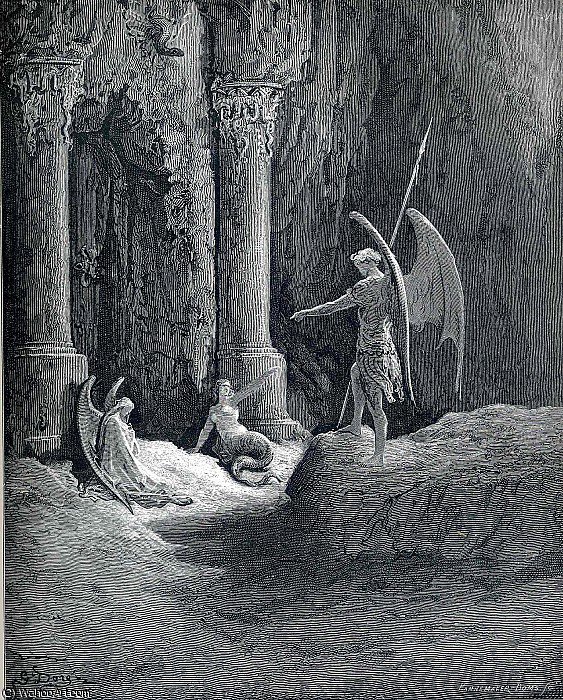
This engraving showcases a captivating scene featuring allegorical or mythological figures illuminated by dramatic chiaroscuro. Strong vertical columns contrast with diagonal lines, guiding the viewer's eye towards an angel and reclining female figure alongside a demonic winged figure. The meticulous etching technique—hatching and
Explore the dramatic wood engravings & illustrations of Gustave Doré (1832-1883). Master of Romanticism, famed for Biblical scenes, Dante's Inferno, and literary masterpieces. Discover his influential art!
A Dramatic Encounter: Analyzing Gustave Doré’s Untitled Engraving
The artwork, tentatively titled “Untitled (2211),” presents a breathtaking glimpse into the Romantic spirit of the 19th century through the masterful execution of Gustave Doré's engraving technique. More than just a depiction of figures—an angel, a reclining woman, and a shadowy demonic presence—it’s an exploration of profound themes concerning temptation, redemption, and divine judgment rendered with unparalleled detail and emotional resonance. Examining this piece reveals not only Doré’s artistic prowess but also the cultural anxieties surrounding morality and faith during his era.
The Visual Narrative: Composition and Technique
Doré's compositional choices immediately captivate the viewer. The dominant vertical columns serve as a grounding force, anchoring the scene against diagonal lines that emanate from the figures themselves—particularly the terrain beneath them—creating an arresting dynamism. This deliberate arrangement directs the eye towards the central interaction between the angel and the woman, emphasizing the tension inherent in their relationship. Crucially, Doré’s technique – engraving – is what elevates this image beyond mere illustration. Utilizing meticulously etched lines into a copper plate, he achieved astonishing tonal variations through hatching and cross-hatching, painstakingly building up areas of shadow and light to sculpt form and texture with remarkable precision. The resulting surface possesses an almost palpable quality, mirroring the dramatic lighting—a chiaroscuro effect—that underscores the theatrical atmosphere.
Symbolism Within Shadow and Light
The engraving’s symbolism is rich and layered. The angel embodies purity and divine grace, positioned above the reclining woman who represents earthly desires and vulnerability. Simultaneously, the winged demonic figure symbolizes corruption and opposition to God's will. These figures aren’t merely characters; they embody abstract concepts that grapple with fundamental questions about human nature and spiritual struggle. Furthermore, Doré’s stylistic choices align perfectly with the broader Romantic movement, characterized by an obsession with emotion and imagination—a reaction against Enlightenment rationalism. The flattened perspective, common to engravings of the time, contributes to this sense of timelessness and universality.
Historical Context: Inspiration from London's Prisons
Doré’s artistic vision was profoundly influenced by his own experiences during a period marked by social reform movements and anxieties about moral decay. Notably, “Untitled (2211)” draws inspiration from Vincent van Gogh’s painting "Prisoners' Round," which itself depicts the exercise yard of Newgate Prison—a site of considerable symbolic significance representing confinement and suffering. Doré skillfully captured the oppressive atmosphere of this space, mirroring the psychological turmoil experienced by artists like Van Gogh during their lifetimes. This connection to a powerful visual narrative underscores the engraving’s enduring relevance as an exploration of human vulnerability and moral dilemmas.
A Legacy of Dramatic Detail
Ultimately, “Untitled (2211)” stands as a testament to Doré's unparalleled ability to convey emotion through meticulous craftsmanship. The use of copper plate etching—a laborious process demanding immense patience and skill—produced images of breathtaking detail and tonal complexity. Reproductions of this artwork offer collectors and interior designers alike the opportunity to experience the grandeur and psychological depth of Romantic art, capturing a moment frozen in time with enduring beauty and evocative power.