A Haunting Aria: Decoding Paul Klee’s “The Singer of the Comic Opera”
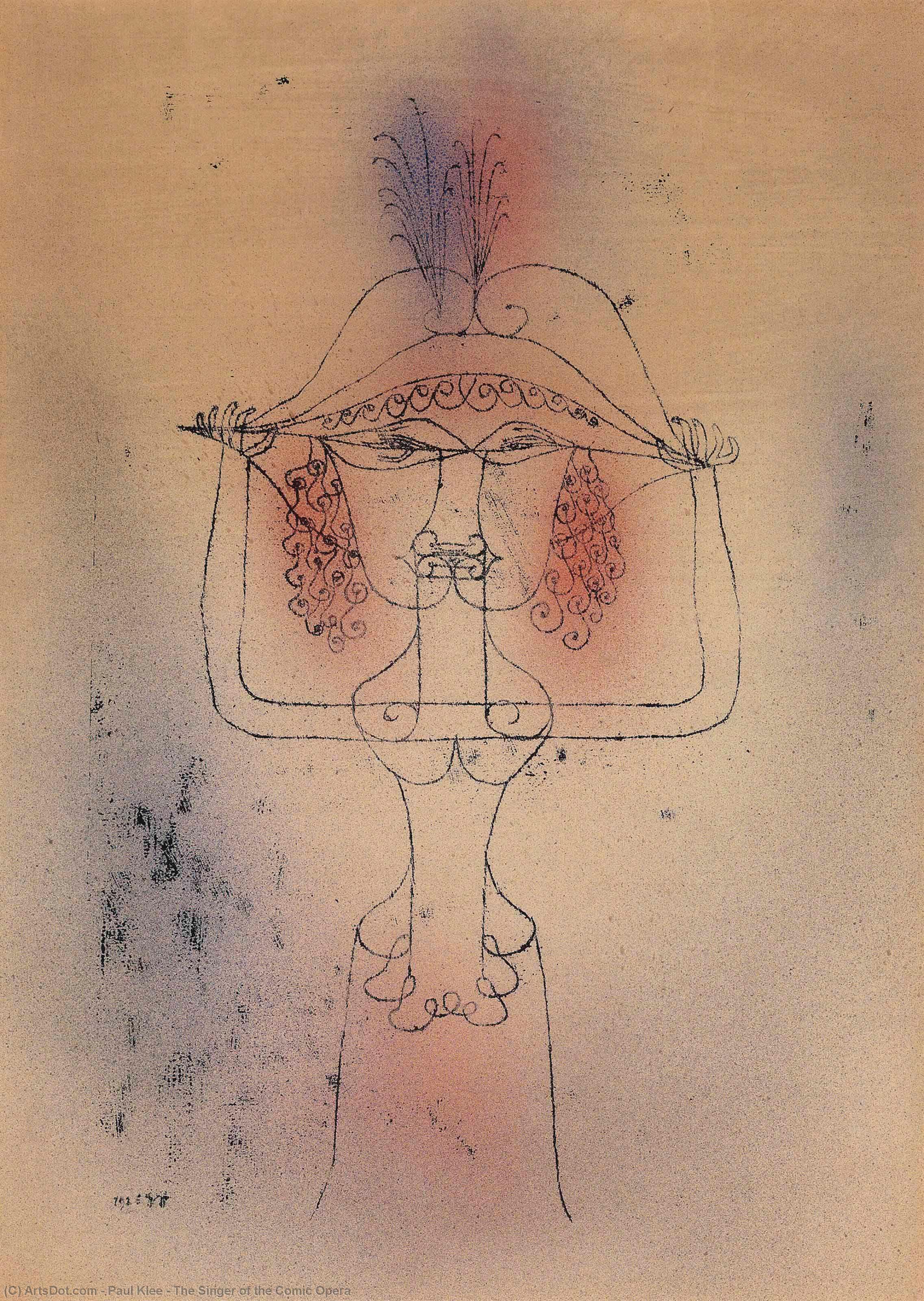
Paul Klee's "The Singer of the Comic Opera" is a captivating monochrome drawing that embodies the artist’s unique blend of Expressionism, Cubism, and Surrealist sensibilities. This work isn’t merely a portrait; it’s an evocation of performance, identity, and perhaps, the very essence of artistic expression itself.
Subject & Style: Beyond Realistic Representation
- Stylized Form: The artwork presents a highly stylized female figure, immediately distancing itself from traditional portraiture. Klee prioritizes form and line over realistic depiction, creating an image that feels both familiar and otherworldly.
- Geometric Harmony: Notice the interplay of geometric shapes – squares, curves, and circles – which contribute to the artwork’s distinctive aesthetic. These forms aren't arbitrary; they build a visual rhythm that echoes musicality, a recurring theme in Klee’s work.
- Monochrome Drama: The stark contrast between the black outlines and the pale beige background amplifies the image’s emotional impact. This limited palette focuses attention on the figure's contours and expressive lines.
Technique & Materials: A Masterful Use of Line
- Ink on Paper: Executed with black ink on paper, the drawing showcases Klee’s exceptional draftsmanship. The varying line weights and hatching marks suggest a layered effect, hinting at depth despite the overall flatness.
- Expressive Lines: The lines themselves are not merely outlines; they *define* emotion and movement. They flow with an energy that suggests both vulnerability and strength in the subject.
- Etched Quality: There’s a subtle quality to the work, as if Klee has etched into the paper, adding texture and nuance to the composition.
Historical Context: Klee & The Avant-Garde
- Bauhaus Influence: Created during a period when Klee was teaching at the Bauhaus school, “The Singer of the Comic Opera” reflects the institution’s emphasis on experimentation and abstraction.
- Bridging Movements: Klee skillfully navigated between artistic movements. While influenced by Expressionism's emotional intensity and Cubism’s fragmented forms, he forged his own unique path, incorporating elements of Surrealism to create dreamlike imagery.
- A Musical Soul: Born into a musical family, Klee consistently drew parallels between visual art and music. His writings on color theory and form demonstrate this deep connection, and it’s evident in the rhythmic quality of his compositions.
Symbolism & Interpretation: Unveiling Hidden Meanings
- The Headdress as Symbol: The elaborate headdress is a focal point, potentially representing status, theatricality, or even the weight of expectation placed upon performers.
- Identity & Performance: The title itself – “The Singer of the Comic Opera” – suggests a performance, a constructed identity. Klee invites us to consider the difference between who we are and who we portray.
- Dreamlike Quality: The overall effect is haunting and dreamlike, prompting viewers to contemplate themes of illusion, reality, and the power of imagination.
Emotional Impact & Aesthetic Appeal
"The Singer of the Comic Opera" isn’t a work that offers easy answers. Instead, it invites contemplation and personal interpretation. Its monochrome palette and stylized form create an atmosphere of quiet intensity, making it a compelling addition to any art collection or interior space. The drawing's unique aesthetic lends itself well to both modern and classic settings, offering a sophisticated touch of artistic intrigue.