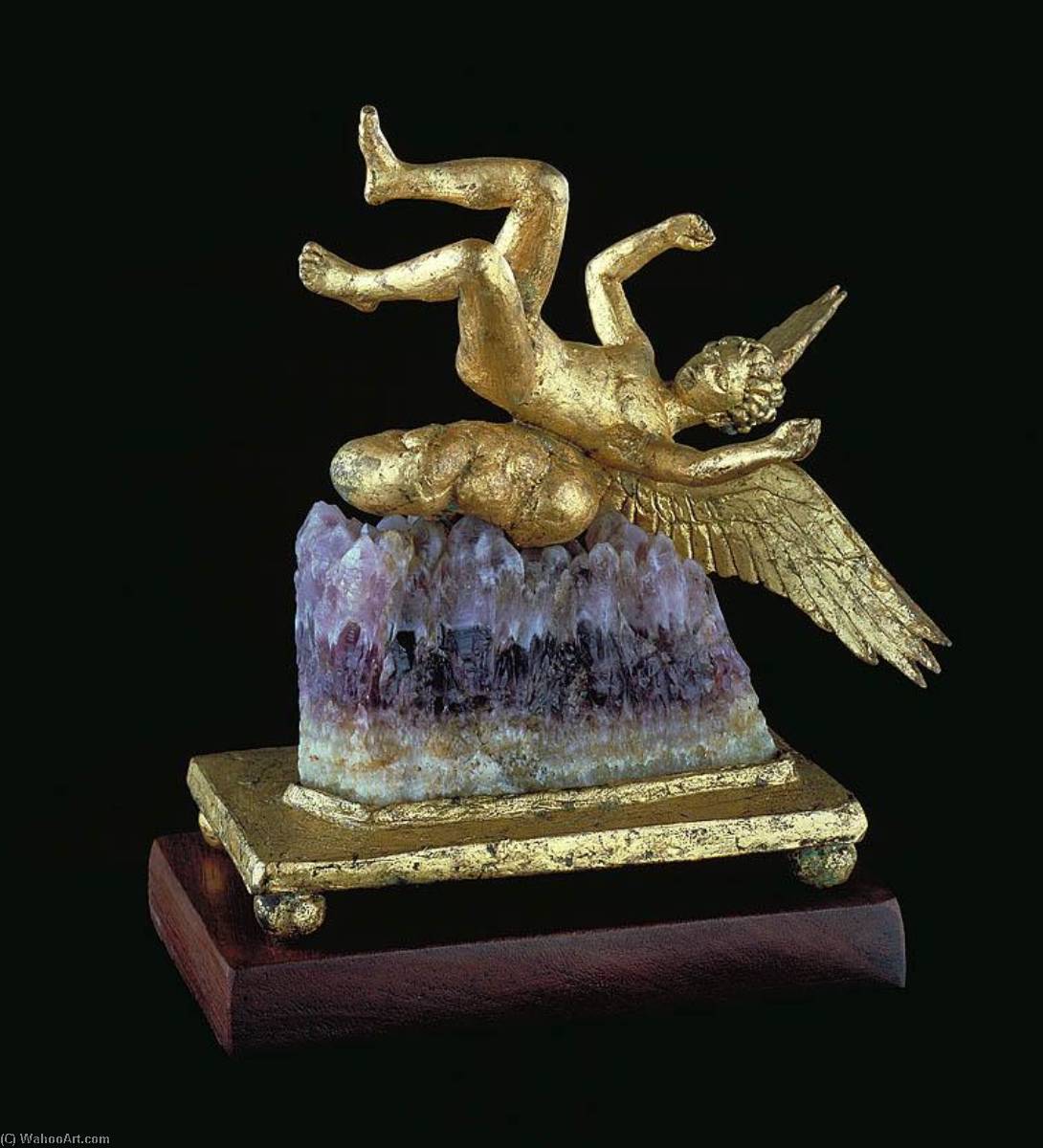
The
Smithsonian American Art Museum is home to a stunning bronze sculpture, Lucifer, created by renowned artist
Paul Manship in 1956. This masterpiece showcases Manship's unique style, which blends classical influences with a modern twist. As a prominent figure in the Art Deco movement, Manship's work is characterized by its simplicity, elegance, and attention to detail.
Artistic Style and Influences
Paul Manship's artistic style was shaped by his studies of ancient sculpture, particularly archaic Greek figures. His work often features clean lines, flowing curves, and a sense of dynamism. The Lucifer sculpture is no exception, with its intricate details and textured surface. Manship's use of bronze as the medium adds a sense of warmth and depth to the piece.
Key Features of the Lucifer sculpture include:
- Intricate details and textures
- Classical influences with a modern twist
- Use of bronze as the medium
The
Smithsonian American Art Museum is also home to other notable works by
Paul Manship, including
Victory Overseas and Wrestlers. These pieces demonstrate Manship's versatility and skill as a sculptor. For more information on these artworks, visit /art/list/?Filter=AQRJ3D-Paul-Manship-Black-Necked-Stork or /art/list/?Filter=AQRHYX-Paul-Manship-Victory-Overseas.
To learn more about
Paul Manship's life and work, visit https://en.wikipedia.org/wiki/Paul_Manship. The Wikipedia article provides a comprehensive overview of Manship's career, including his early life, education, and notable commissions. Additionally, /en/art/show/art-aqrjkv-en/ offers a detailed view of the Lucifer sculpture, allowing art enthusiasts to appreciate its beauty and craftsmanship up close.