A Glimpse into Belle Époque Society
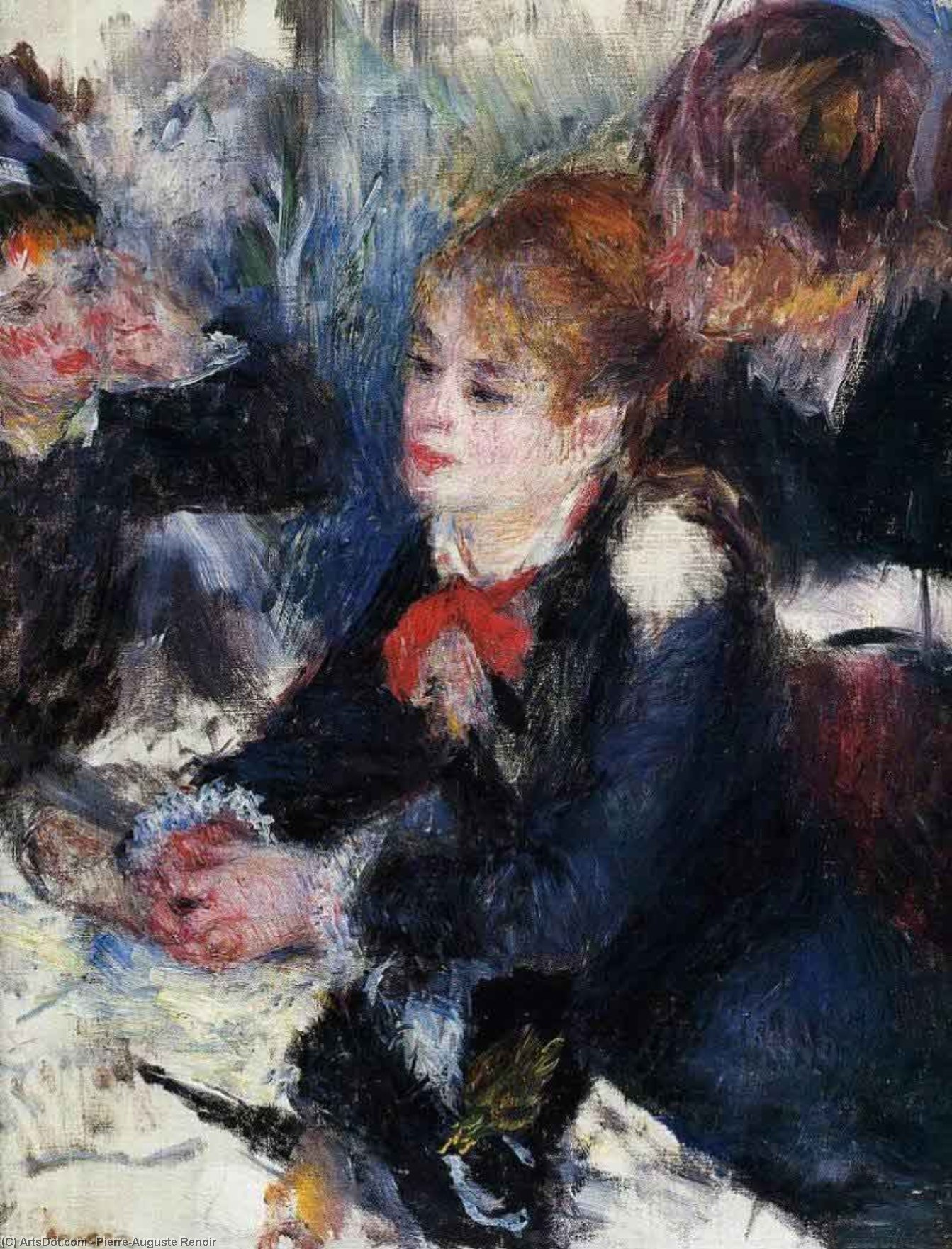
Pierre-Auguste Renoir's “At the Milliner’s,” painted in 1878, isn’t merely a depiction of a shop interior; it’s a vibrant snapshot of Parisian life during the Belle Époque – an era defined by optimism, artistic flourishing, and a burgeoning sense of modernity. The scene unfolds within a bustling millinery establishment, a space traditionally associated with feminine adornment and social interaction. Renoir masterfully captures this atmosphere, imbuing the room with a palpable energy that speaks to the excitement and dynamism of late 19th-century Paris. The painting immediately draws the eye to a young woman seated at a table, her posture suggesting quiet contemplation amidst the surrounding activity. This central figure, rendered in Renoir’s signature soft brushstrokes and luminous palette, becomes the focal point around which the scene revolves.
Impressionistic Light and Color
Renoir was a pioneer of Impressionism, and “At the Milliner’s” exemplifies his innovative approach to capturing light and color. He eschewed precise detail in favor of conveying fleeting impressions – the dappled sunlight filtering through the window, the subtle shifts in tone across fabrics, and the overall sense of atmosphere. Notice how he uses broken brushstrokes to create a shimmering effect on the woman's dress and the table’s surface, suggesting movement and vitality. The color palette is rich yet restrained, dominated by warm earth tones – ochres, browns, and reds – punctuated by flashes of brighter hues that draw attention to key elements like the woman’s attire and the decorative details within the shop. The artist's focus isn’t on photographic realism but rather on translating the sensory experience of being present in this particular moment.
A Study of Female Presence
Beyond its technical brilliance, “At the Milliner’s” offers a compelling study of female presence and social dynamics. The woman at the table is not simply a passive observer; she exudes an air of quiet confidence and perhaps even slight melancholy. Her hand gently clasped suggests introspection, while her gaze seems directed outwards, absorbing the activity around her. The two other figures in the background – a gentleman and another woman – add layers to the scene, hinting at conversations and interactions that are only partially visible. Renoir skillfully uses composition and gesture to create a sense of intimacy and connection between these individuals, inviting the viewer to imagine their stories.
Symbolism and Context
The millinery shop itself holds symbolic significance. It represents not just a place for acquiring fashionable headwear but also a hub of social exchange and female agency. In an era when women’s roles were largely defined by domesticity, the milliner's shop offered a space for them to express their individuality through adornment and engage in social interactions. The presence of the gentleman suggests a brief respite from the constraints of societal expectations, while the other woman hints at the shared experiences and camaraderie among women. The painting reflects the broader cultural shifts taking place during the Belle Époque – a period marked by increasing freedoms for women and a growing interest in art and culture.
Bringing Renoir’s Vision Home
A hand-painted reproduction of “At the Milliner’s” offers a remarkable opportunity to bring this captivating scene into your home. ArtsDot meticulously recreates Renoir's masterful technique, capturing the delicate nuances of light, color, and brushwork with exceptional fidelity. Whether displayed in a living room, study, or gallery space, this reproduction will serve as a beautiful reminder of the artistic richness of the Belle Époque and the enduring appeal of Renoir’s vision. It is more than just an image; it's a portal to a bygone era, inviting you to step into a Parisian moment filled with beauty, intrigue, and quiet contemplation.