Explore Pierre-Auguste Renoir's (1841-1919) luminous Impressionist paintings! Discover portraits, Parisian life & feminine beauty in his iconic artworks.
Explore the National Gallery of Art in Washington D.C.! Discover masterpieces from Renaissance to modern art, including works by Raphael, Van Gogh & more. Free admission!
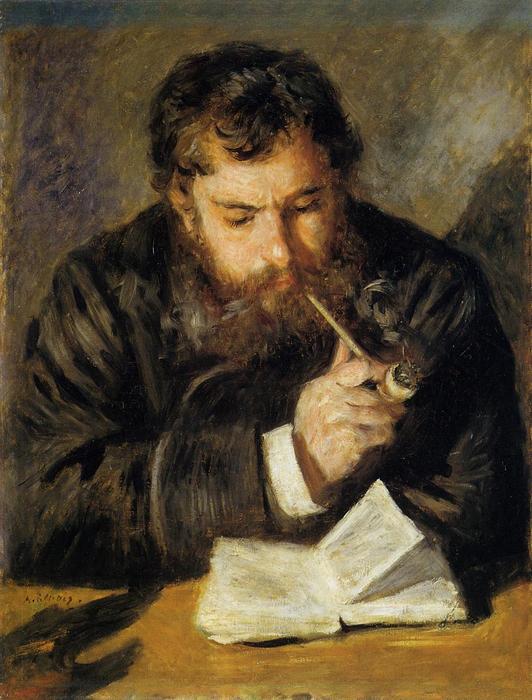
Claude Monet (also known as The Reader) by Pierre-Auguste Renoir
Pierre-Auguste Renoir’s “Claude Monet (The Reader)” stands as a testament to Impressionism's fascination with capturing fleeting moments of everyday life and the subtle beauty of domestic interiors. Painted in 1873, this oil on canvas masterpiece resides within the National Gallery of Art in Washington D.C., offering visitors a glimpse into a pivotal era of artistic innovation. Renoir’s depiction isn’t merely a portrait; it's an embodiment of intellectual curiosity and serene contemplation—a scene frozen in time that speaks volumes about the artist’s vision and his profound connection to his subject, Claude Monet.
Subject Matter and Composition
The painting portrays Claude Monet absorbed in reading a book, accompanied by two cats nestled on either side. This seemingly simple composition is imbued with symbolic significance. The cat figures represent companionship and tranquility—elements central to Renoir’s artistic ethos. Monet himself embodies the pursuit of knowledge and artistic inspiration, reflecting the core values of the Impressionist movement. Renoir skillfully utilizes light and color to illuminate the room, creating a soft, inviting atmosphere that draws the viewer into Monet's world. The careful positioning of the figures contributes to a harmonious balance within the frame, emphasizing the quiet dignity of the subject matter.
Technique and Style
Renoir’s brushstrokes are bold yet delicate, conveying both texture and luminosity—characteristics quintessential to Impressionism. He employs loose, expressive strokes that capture the ephemeral quality of light and shadow, mirroring Monet's own approach to painting landscapes. The artist meticulously blends colors to achieve a velvety surface finish, enhancing the visual richness of the scene. Renoir’s masterful technique demonstrates his ability to translate observation into artistic representation—a hallmark of Impressionist painters who prioritized capturing sensory experience over precise detail.
Historical Context and Significance
“Claude Monet (The Reader)” emerged during the burgeoning Impressionist movement, a reaction against the academic conventions of Salon art. Artists like Renoir sought to depict scenes from modern life with spontaneity and honesty, rejecting idealized representations in favor of capturing the immediacy of perception. The painting reflects the broader cultural preoccupation with domesticity and intellectual pursuits—themes prevalent in Victorian society. Its inclusion within the National Gallery’s collection underscores its enduring artistic merit and its contribution to the canon of Impressionist art.
Emotional Impact
The artwork evokes a feeling of warmth, intimacy, and contemplative serenity. Renoir's portrayal captures Monet's inner life—his intellectual engagement and his appreciation for simple pleasures. The painting invites viewers to pause and consider the beauty of everyday moments—a powerful reminder that art can illuminate the human experience. It’s a celebration of friendship, intellect, and the transformative power of observation—themes that resonate deeply with audiences today.