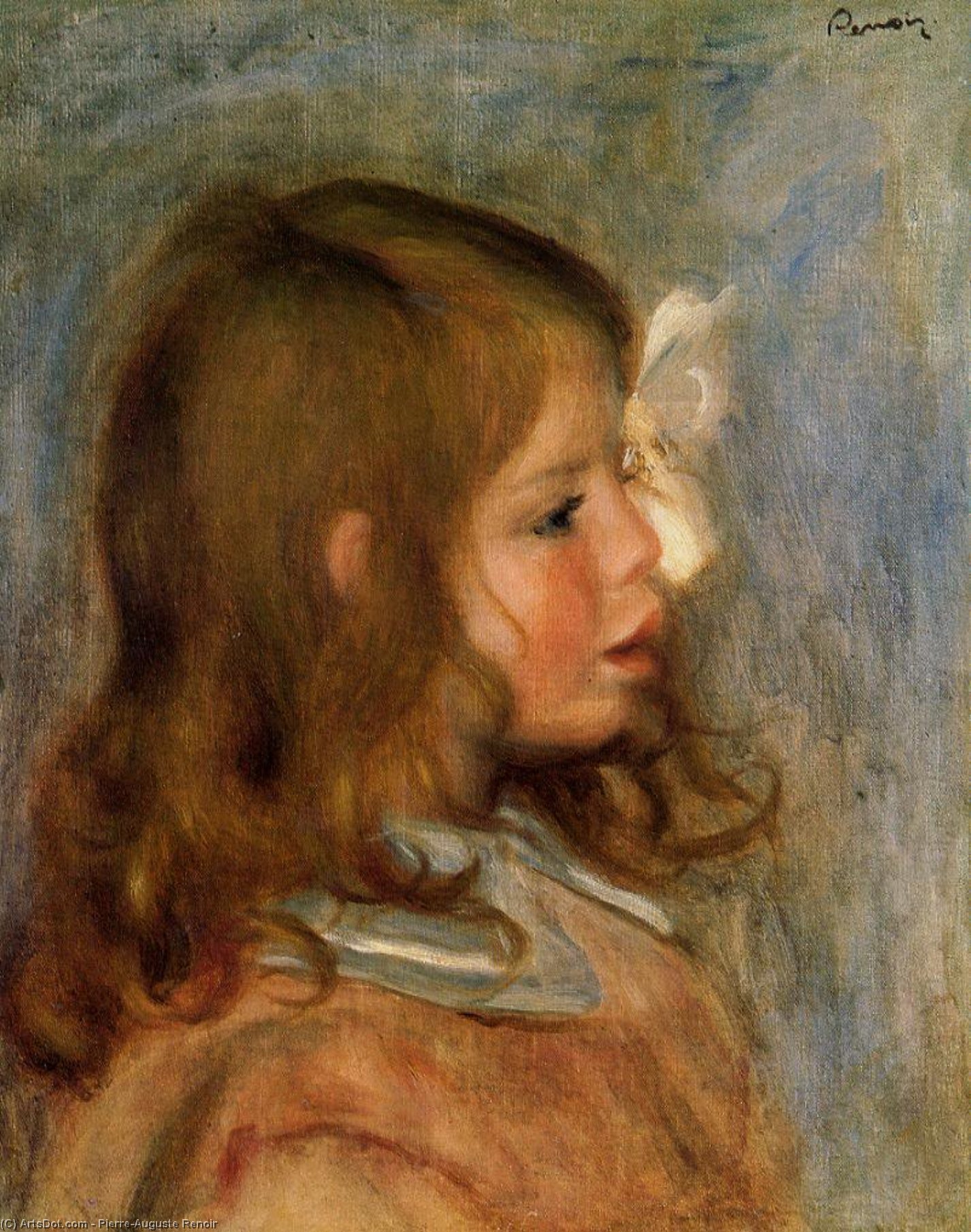
A serene Impressionist portrait of a young Jean Renoir captures fleeting light and childhood innocence through Pierre-Auguste Renoir's vibrant brushstrokes, inviting you to bring this timeless masterpiece home.
Explore Pierre-Auguste Renoir's (1841-1919) luminous Impressionist paintings! Discover portraits, Parisian life & feminine beauty in his iconic artworks.
Jean Renoir: A Moment Frozen in Impressionistic Light
Pierre-Auguste Renoir’s “Jean Renoir,” painted in 1899, isn't merely a portrait; it’s an embodiment of Impressionism’s core philosophy—capturing fleeting impressions of light and color to convey emotion. This serene depiction of Jean Renoir’s son, destined for a remarkable career as filmmaker, resides within MuMa Le Havre’s impressive collection – a testament to Renoir's enduring influence on modern art. Located overlooking the Seine River, this museum houses one of France’s largest Impressionist holdings, allowing visitors to immerse themselves in the artistic spirit of the era alongside masterpieces by Monet and Boudin.
The Essence of Impressionism: Light and Color
Renoir’s signature style—characterized by loose brushstrokes and vibrant hues—is immediately apparent. Unlike academic painting's meticulous realism, Renoir prioritized capturing the ephemeral qualities of light as it danced across surfaces. Observe how the pale blue wall subtly illuminates Jean Renoir’s face and clothing, creating an atmosphere of tranquility and introspection. The artist skillfully blended pigments to achieve a luminous effect, mirroring the Impressionists’ fascination with observing nature directly—a radical departure from studio practice at the time. This technique reflects Renoir's belief that art should evoke feeling rather than simply documenting reality.
A Portrait Steeped in Innocence and Curiosity
The subject himself is presented with remarkable tenderness. Jean Renoir, a young boy with long hair, sits calmly, his gaze fixed on an object held in his hand—perhaps a flower or a simple toy. This posture exudes innocence and childlike curiosity, mirroring Renoir’s ability to distill complex emotions into deceptively uncomplicated imagery. The artist's meticulous attention to detail – the subtle folds of Jean Renoir’s shirt, the delicate rendering of his skin tone – underscores his commitment to portraying human subjects with sensitivity and nuance. It’s a scene brimming with quiet contemplation, capturing a moment frozen in time.
Symbolism Beyond Surface Beauty
Beyond its visual splendor, “Jean Renoir” carries symbolic weight. The blue background represents serenity and stability, contrasting with the youthful energy of Jean Renoir himself. This juxtaposition speaks to Renoir's broader artistic concerns—the exploration of human emotion and experience within a framework of beauty and harmony. Like Gabrielle Seated (8EWPSV), another captivating portrait by Renoir housed in Musée Fournaise, this artwork exemplifies Renoir’s masterful ability to convey profound psychological depth through deceptively simple compositions.
A Legacy Enduring Through Reproduction
The painting's influence extends far beyond its original context. Renoir’s artistic vision aligns with that of Rubens and Watteau—artists who championed representational art while prioritizing expressive color and light. A high-quality reproduction of “Jean Renoir” can bring this timeless masterpiece into your home, allowing you to appreciate its beauty and contemplate its enduring message. Explore the artwork at /en/art/show/art-8ewpvh-en/ for a closer look.