A Moment of Quiet Contemplation: Exploring Renoir’s ‘Jean Renoir Writing’
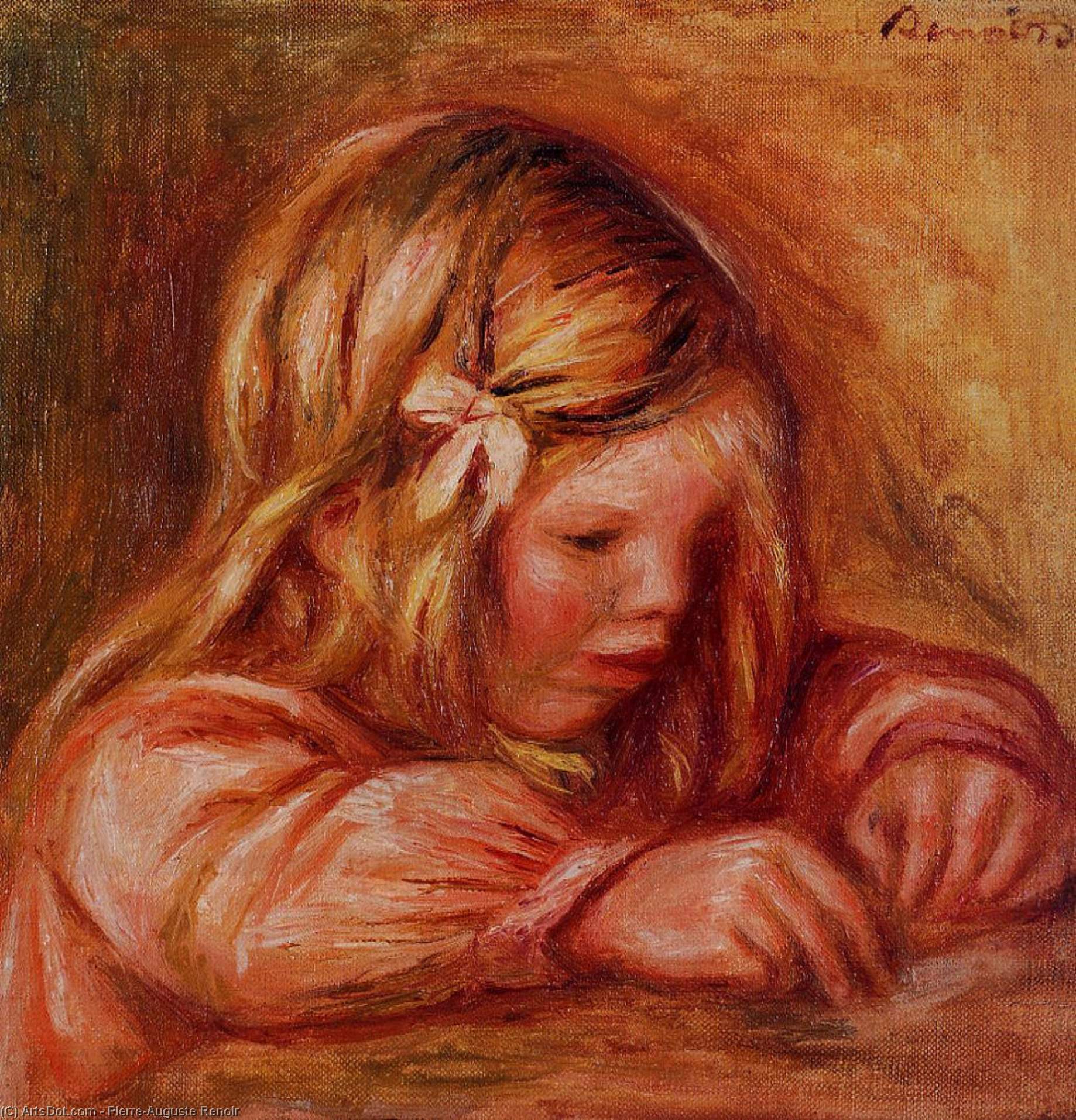
Pierre-Auguste Renoir's 1899 painting, ‘Jean Renoir Writing’, is a tender and intimate portrayal of childhood, capturing a fleeting moment of focused concentration. More than just a portrait, it’s a window into the domestic life of the artist himself – the subject is his daughter, Jean Renoir, who would later become a celebrated filmmaker. This work exemplifies Renoir's mastery of Impressionist principles while showcasing his enduring fascination with the beauty found in everyday scenes.
Impressionism and the Art of Everyday Life
Renoir was a pivotal figure in the Impressionist movement, dedicated to capturing the ephemeral qualities of light and atmosphere. ‘Jean Renoir Writing’ is deeply rooted in this aesthetic. The painting isn't about precise detail; instead, it prioritizes *impression* – the feeling evoked by the scene. The soft, diffused lighting and warm color palette create a sense of tranquility and intimacy. This focus on capturing a subjective experience rather than objective reality defines Impressionism and sets Renoir apart.
Technique and Composition: A Study in Softness
Executed in oil on canvas, the painting demonstrates Renoir’s signature brushwork – loose, visible strokes that build texture and luminosity. The composition is remarkably simple yet effective. Jean is centrally positioned, drawing our immediate attention to her absorbed expression. The muted color scheme—predominantly warm yellows and browns—enhances the feeling of warmth and serenity. Notice how Renoir uses broken color, applying small touches of different hues side-by-side, allowing the viewer’s eye to blend them optically. This technique contributes to the painting's vibrant yet gentle quality.
Historical Context: The Turn of the Century
Created in 1899, ‘Jean Renoir Writing’ reflects a period where Impressionism was gaining widespread recognition but also evolving. Renoir, while remaining committed to its core principles, began to explore more structured compositions and a slightly more refined technique. This painting represents a transitional phase in his career, bridging the gap between pure Impressionism and his later, more classical style. The late 19th century saw a growing interest in depicting domestic scenes and childhood, reflecting changing social values and a focus on personal life.
Symbolism and Emotional Resonance
The act of writing itself carries symbolic weight. It represents learning, imagination, and the potential for future creativity. Jean’s focused expression suggests a world unfolding within her mind – a private realm of thoughts and stories. The painting evokes feelings of nostalgia, tenderness, and quiet contemplation.
It's a celebration of childhood innocence and the beauty of simple moments. The composition invites viewers to share in this intimate scene, fostering a sense of connection with both the subject and the artist.
A Timeless Appeal for Modern Interiors
‘Jean Renoir Writing’ is more than just a historical artwork; it's a piece that resonates deeply with contemporary sensibilities. Its warm color palette and gentle mood make it an ideal addition to various interior design schemes, particularly those seeking to create a calming and inviting atmosphere. The painting’s size makes it versatile – suitable for both smaller spaces and as part of a larger gallery wall.
Its enduring appeal lies in its ability to evoke emotion and inspire reflection.