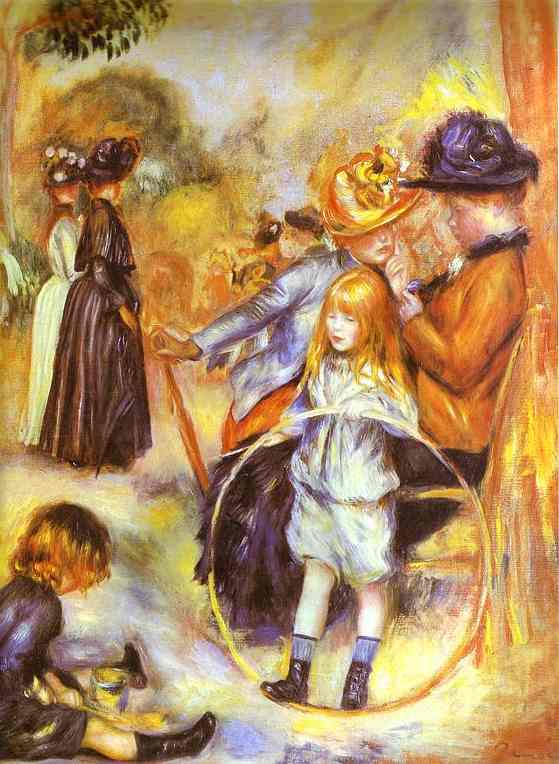
Le Jardin du Luxembourg

Admire Renoir’s ‘Le Jardin du Luxembourg’! This Impressionist masterpiece captures Parisian life & beauty. Explore vibrant colors & dynamic scenes. Handmade oil reproductions available at ArtsDot.com.


Pierre-Auguste Renoir (1841 - 1919)

Explore Pierre-Auguste Renoir's (1841-1919) luminous Impressionist paintings! Discover portraits, Parisian life & feminine beauty in his iconic artworks.

A Glimpse into Parisian Leisure: Pierre-Auguste Renoir’s *Le Jardin du Luxembourg*

  • Introduction: Painted in 1873, *Le Jardin du Luxembourg* by Pierre-Auguste Renoir is a quintessential example of Impressionism, capturing a fleeting moment of everyday life within one of Paris’s most beloved public spaces. This work isn't merely a depiction of a garden; it’s an evocation of the atmosphere and social rhythms of 19th-century Parisian society.

Historical Context: The Birthplace of Modernity

  • The Luxembourg Gardens, established in the early 17th century by Marie de’ Medici, served as a royal garden before opening to the public. By Renoir's time, it had become a vibrant hub for Parisians from all walks of life – a place to see and be seen.
  • This painting emerges during a period of significant social change in Paris following its modernization under Baron Haussmann. The gardens offered a respite from the rapidly changing urban landscape, representing a cherished space for leisure and social interaction.
  • Renoir was at the forefront of the Impressionist movement, which rejected traditional academic painting in favor of capturing the subjective impression of light and color. *Le Jardin du Luxembourg* embodies this revolutionary approach.

Artistic Style & Technique: A Symphony of Light and Color

  • Renoir’s masterful use of broken brushstrokes and vibrant, unmixed colors creates a shimmering effect that mimics the play of sunlight filtering through the trees.
  • The composition is deliberately informal and asymmetrical, reflecting the spontaneity of modern life. Figures are not rigidly posed but appear caught in natural moments of conversation and activity.
  • Notice how Renoir prioritizes *atmosphere* over precise detail. Forms are softened, edges blurred, and colors blend to create a sense of visual harmony.
  • The painting’s relatively small scale contributes to its intimate feel, drawing the viewer into the scene as if they were strolling through the gardens themselves.

Subject & Symbolism: A Portrait of Parisian Society

  • The figures depicted are primarily women – a characteristic focus for Renoir. They represent the burgeoning middle class, enjoying their newfound leisure time in the public sphere.
  • Their elegant attire suggests social status and refinement, while their relaxed poses convey a sense of contentment and well-being.
  • The lush greenery and blooming flowers symbolize vitality, growth, and the restorative power of nature. The garden itself acts as a microcosm of Parisian life – a space where different classes and individuals come together.
  • Children playing in the background add an element of innocence and joy, further enhancing the painting’s overall optimistic tone.

Emotional Impact & Lasting Appeal

  • *Le Jardin du Luxembourg* evokes a feeling of tranquility, nostalgia, and gentle happiness. It's a celebration of beauty in everyday life – a reminder to appreciate the simple pleasures of human connection and natural surroundings.
  • The painting’s enduring popularity lies in its ability to transport viewers to another time and place, offering a glimpse into the vibrant heart of 19th-century Paris.
  • For Collectors & Designers: A reproduction of this masterpiece brings a touch of Parisian elegance and Impressionist charm to any space. Its soft color palette and harmonious composition make it a versatile addition to both traditional and contemporary interiors, fostering an atmosphere of serenity and sophistication.