A Moment Captured in Light: Exploring Renoir’s Portrait of Séverine
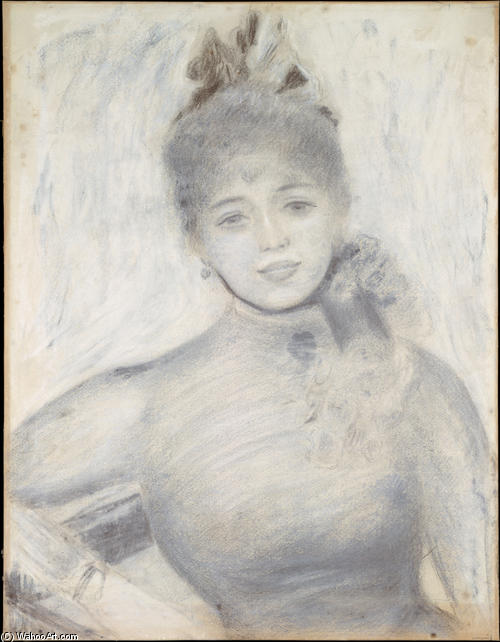
Pierre-Auguste Renoir's "Portrait of Séverine" isn’t merely a depiction of a woman; it’s an embodiment of Impressionism’s core philosophy – capturing fleeting impressions of light and emotion. Painted circa 1883, this canvas exemplifies Renoir’s masterful ability to distill complex feelings into deceptively simple brushstrokes, offering viewers a glimpse into the beauty of everyday life filtered through artistic vision. The painting portrays Séverine Bonnetin, a Parisian actress known for her captivating performances, seated in a softly lit room—likely her dressing chamber—a setting that speaks volumes about the artist’s fascination with capturing the atmosphere of modern urban existence.
- Style and Technique: Renoir's signature Impressionistic style is immediately apparent. He eschews meticulous detail, prioritizing instead a vibrant palette and loose brushwork to convey the diffused light characteristic of Parisian interiors. Notice how Renoir utilizes broken color—applying pigment in small patches rather than blending it smoothly—creating shimmering surfaces that seem to vibrate with luminosity. This technique isn’t simply about visual accuracy; it's an attempt to recreate the sensory experience of observing a scene, mirroring the way our eyes perceive light and color.
- Composition: The composition is deliberately understated yet profoundly effective. Séverine occupies the central space, framed by a pale wall that serves as a neutral backdrop, allowing her figure to dominate the visual field. Renoir skillfully employs asymmetrical balance, subtly shifting the weight of the painting to create a dynamic and engaging image. This compositional choice contributes to the overall feeling of tranquility and intimacy.
Historical Context: The Belle Époque and Artistic Innovation
“Portrait of Séverine” emerged during the Belle Époque—the “Beautiful Era”—a period marked by unprecedented optimism, artistic experimentation, and social change in France. Impressionism had already established itself as a dominant force in Parisian art circles, challenging academic conventions and redefining notions of beauty. Renoir’s work aligns perfectly with this cultural movement, reflecting its preoccupation with capturing the spirit of the age—the joie de vivre, the elegance, and the dynamism of urban life. The painting reflects the influence of artists like Monet and Degas who were exploring similar themes of light and atmosphere.
- Symbolism: While seemingly simple on the surface, “Portrait of Séverine” carries subtle symbolic resonances. Séverine’s gaze directs outwards, suggesting a contemplative awareness beyond her immediate surroundings—perhaps reflecting on her role as an actress and performer. The necklace she wears symbolizes status and adornment, highlighting the importance of social conventions within Belle Époque society.
- Emotional Impact: Renoir succeeds in conveying a palpable sense of serenity and grace. The soft lighting and muted colors evoke feelings of warmth and comfort, inviting viewers to contemplate Séverine’s inner life. More than just a likeness, the portrait captures an essence—a moment frozen in time—that resonates with enduring beauty.
Why Choose a Reproduction?
A high-quality reproduction of “Portrait of Séverine” allows you to bring Renoir’s masterpiece into your home or workspace, experiencing its captivating aesthetic and capturing the spirit of Impressionism. ArtsDot offers meticulously crafted reproductions using archival inks on premium canvas—a faithful representation of the original artwork that preserves its vibrancy and nuance for generations to come. Invest in a piece of art history and transform your surroundings with this iconic image.