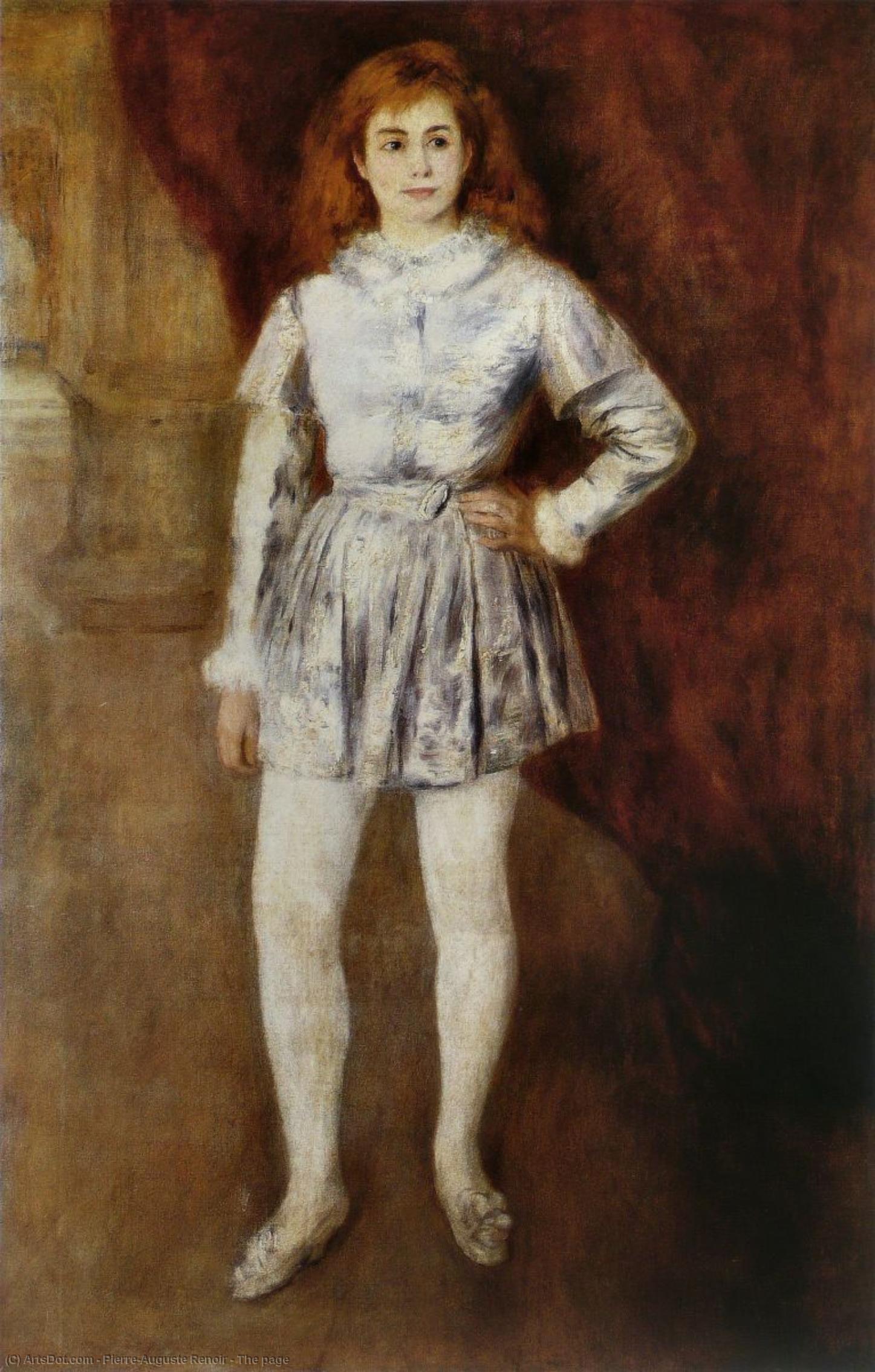
Captured in Impressionistic brushstrokes, Renoir’s portrait depicts a woman elegantly posed on stage, bathed in light—a quintessential example of 1870s Parisian art. Explore this captivating masterpiece and bring timeless beauty into your home.
A Moment Captured in Light: Exploring Renoir’s “The Page”
Renoir's "The Page," painted in 1877, isn’t merely a portrait; it’s an exquisite distillation of Impressionist ideals—a fleeting glimpse into a Parisian scene imbued with warmth and grace. The subject is a woman dressed in a striking blue gown, poised confidently on a stage, engaging directly with the viewer's gaze through the lens of photography. This seemingly simple composition belies a profound depth of artistic consideration.
- Subject Matter: The portrait depicts a young woman—likely Renoir’s muse Gabrielle Vallois—capturing her essence in a moment of poised elegance. Her posture exudes assurance and invites contemplation, reflecting the spirit of Belle Époque Paris.
- Style & Technique: Characteristic of Renoir's Impressionist style, “The Page” employs loose brushstrokes and vibrant color palettes to convey an atmosphere rather than precise representation. The artist skillfully utilizes dappled light—a technique honed during his studies at the Louvre—to illuminate the woman’s figure and create a sense of shimmering luminescence.
Historical Context: Paris in Bloom
The painting emerged from the fertile artistic landscape of 1870s Paris, a period marked by unprecedented intellectual and cultural ferment. Impressionism was challenging established conventions of academic art, prioritizing sensory experience over meticulous detail. Artists like Renoir sought to capture the ephemeral beauty of everyday life—the fleeting effects of light and color on urban spaces—rejecting the idealized narratives favored by previous generations.
- Social Significance: The portrait reflects the burgeoning fascination with photography during this era, highlighting its role in documenting and disseminating visual culture. Renoir’s choice to pose his subject for a camera underscores the importance of capturing transient moments and conveying emotion through subtle gestures.
- Symbolism: While overtly decorative, “The Page” subtly communicates ideas about femininity, confidence, and artistic engagement. The blue gown symbolizes serenity and nobility, mirroring Renoir’s admiration for classical ideals blended with modern sensibilities.
Emotional Impact & Artistic Legacy
“The Page” transcends its formal elements to evoke a palpable sense of warmth and intimacy. Renoir's masterful handling of light and color creates an illusion of depth, drawing the viewer into the scene and fostering empathy for his subject. It’s a testament to Impressionism’s ability to capture not just what is seen but also how it feels—a celebration of beauty and human connection that continues to resonate with audiences today.
- Interior Design Considerations: Reproductions of “The Page” would bring a touch of Parisian elegance into any space, particularly those featuring muted blues and creams. Its luminous quality complements soft furnishings and creates a tranquil atmosphere.