A Moment Frozen in Light and Sentiment
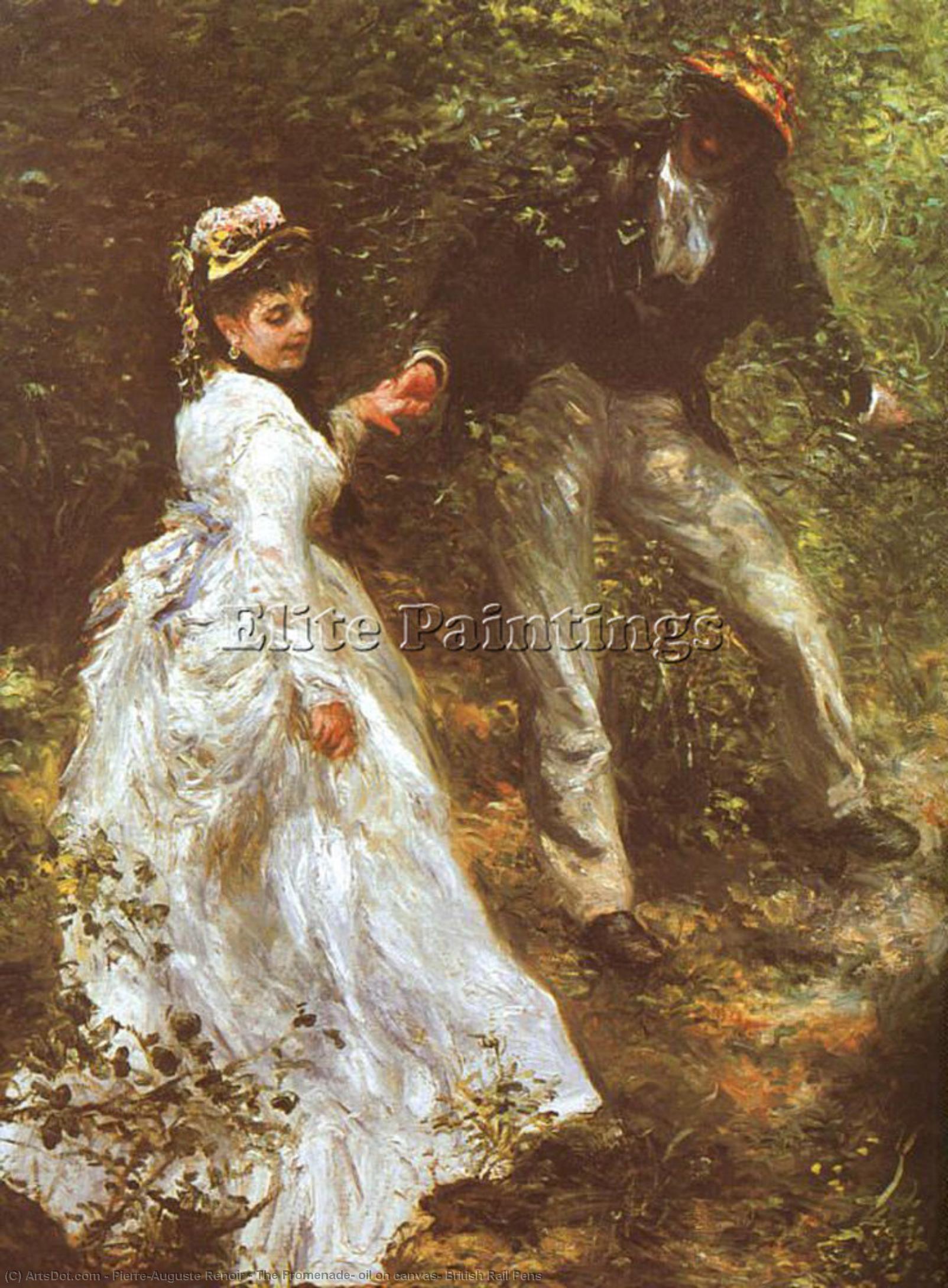
Pierre-Auguste Renoir’s “The Promenade,” painted circa 1876, captures a quintessential scene of Parisian life during the Belle Époque – a leisurely stroll through Fontainebleau Forest accompanied by a young woman. More than just a depiction of landscape, it's an exploration of intimacy, beauty, and the fleeting nature of experience, rendered with Renoir’s signature Impressionistic brushstrokes that prioritize capturing atmospheric light over precise detail. This artwork resides within the esteemed J. Paul Getty Museum collection in Los Angeles, California, offering visitors a glimpse into the artistic sensibilities of its time.
- Artist: Pierre-Auguste Renoir (1841–1919) – Born in Limoges, France, Renoir’s formative years were spent honing his craft as a porcelain painter before gravitating towards the vibrant energy of Paris and the influence of Impressionist pioneers like Claude Monet.
- Style: Impressionism – Characterized by its focus on capturing fleeting impressions of light and color rather than meticulous realism, Impressionism sought to convey the sensory experience of a particular moment in time. Renoir’s approach aligns perfectly with this movement's ethos.
- Medium: Oil on Canvas – The artist skillfully utilized oil paints to achieve luminous textures and subtle tonal variations, creating an ethereal quality that embodies the spirit of Impressionism.
A Landscape Infused With Emotion
The painting portrays a young couple traversing a woodland path, bathed in dappled sunlight. Renoir’s meticulous observation of Fontainebleau Forest—a favored subject for artists of his era—is evident in the detailed rendering of foliage and undergrowth. However, it's not merely a topographical representation; rather, the forest serves as a backdrop to an unspoken narrative of affection and companionship. The woman’s hand resting gently in the man’s grasp symbolizes connection and vulnerability – themes frequently explored by Impressionist artists who aimed to convey emotional resonance alongside visual beauty.
Echoes of Rococo Tradition
Despite its adherence to Impressionistic principles, “The Promenade” reveals subtle influences from the Rococo Revival style prevalent during the Second Empire. The composition’s asymmetrical arrangement and idealized figures hark back to the decorative elegance of eighteenth-century paintings, particularly those produced by Jean Honoré Fragonard and Jean Antoine Watteau. This stylistic juxtaposition underscores Renoir's artistic dialogue with tradition while simultaneously pushing boundaries toward a new aesthetic vision.
Symbolism Beyond Surface Beauty
The choice of Fontainebleau Forest itself carries symbolic weight. Historically associated with royal patronage and aristocratic leisure, the forest represents a retreat from urban pressures—a space for contemplation and connection with nature. Renoir’s depiction elevates this simple scene into something profoundly evocative, inviting viewers to consider themes of romance, serenity, and the ephemeral beauty of human experience. The painting's luminous palette – dominated by greens, yellows, and blues – reinforces these sentiments, capturing the very essence of Impressionist art.
A Legacy of Light and Feeling
“The Promenade” stands as a testament to Renoir’s ability to transform observation into artistic expression. Its enduring appeal lies in its capacity to transport viewers back to a bygone era while simultaneously resonating with universal emotions—love, joy, and the appreciation for fleeting moments of beauty. Reproductions of this masterpiece continue to inspire collectors and interior designers alike, ensuring that Renoir's Impressionist vision persists as a beacon of artistic innovation and emotional depth.