A Portrait of Quiet Contemplation: Exploring Pierre-Auguste Renoir’s “Woman’s Head 1”
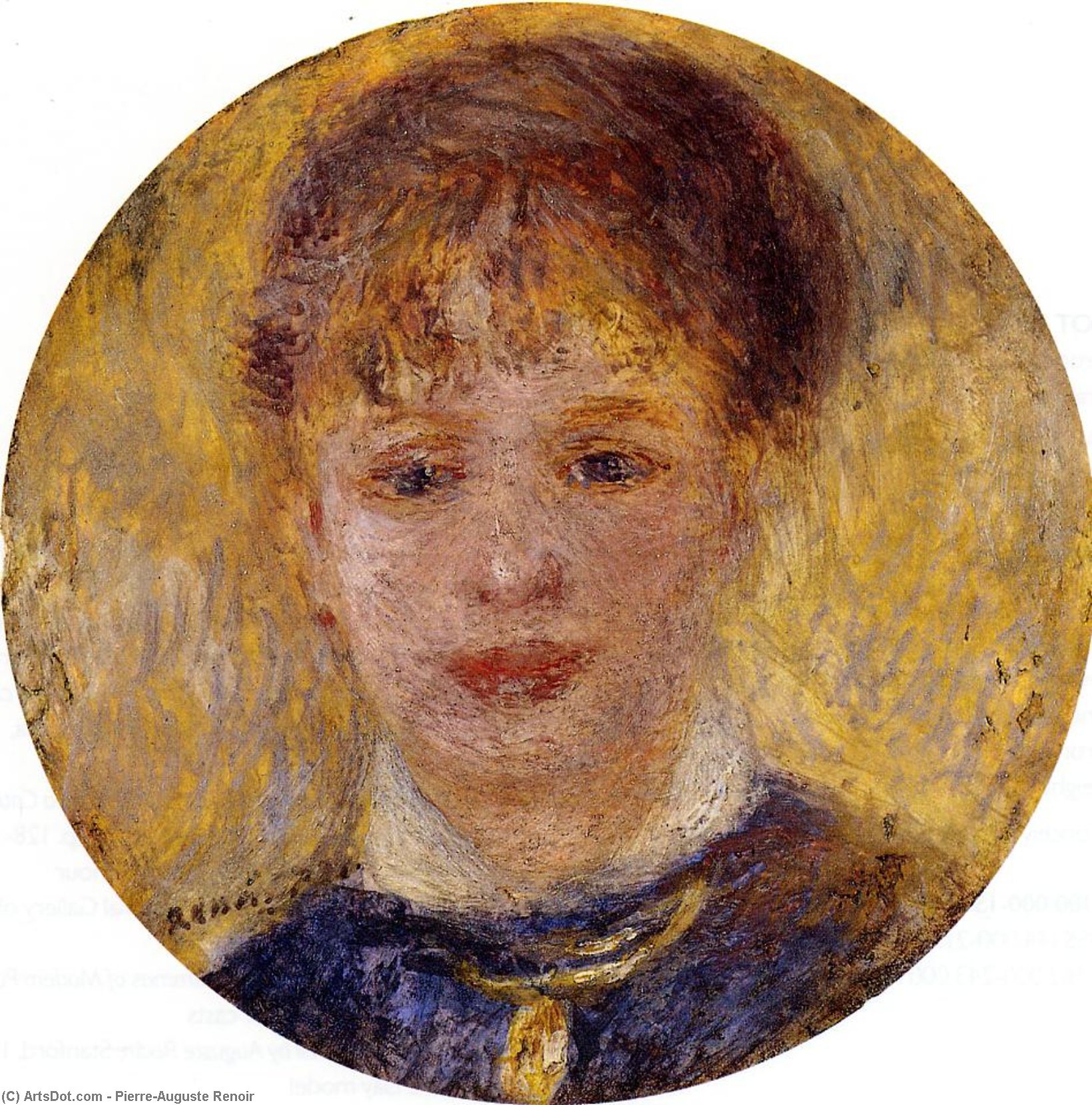
Pierre-Auguste Renoir's "Woman's Head 1," painted in 1905, stands as a quintessential embodiment of Impressionist artistry—a deceptively simple depiction that belies the profound depth of observation and emotion captured within its luminous brushstrokes. This piece exemplifies Renoir’s unwavering commitment to portraying fleeting moments of beauty and capturing the subtle nuances of light and color, aligning perfectly with the core tenets of the movement.
The Impressionist Spirit: Light and Atmosphere
- Renoir, like Monet and Degas, rejected academic conventions favoring instead a focus on capturing the ephemeral effects of natural illumination. He meticulously studied how light transforms surfaces throughout the day, striving to convey not just what he saw but *how* it felt—a sensation of warmth and vibrancy.
- “Woman’s Head 1” showcases Renoir's signature technique: broken color – applying small patches of pigment alongside each other rather than blending them seamlessly. This method allows for a shimmering interplay of hues, creating an illusion of depth and movement that transcends mere representation.
Composition and Symbolism: A Glance Beyond Appearance
The Woman’s Expression
Renoir skillfully captures the woman's gaze—direct yet thoughtful—suggesting a contemplative state. This deliberate choice invites viewers to ponder her inner thoughts, elevating the portrait beyond a mere likeness into an exploration of psychological nuance.
Decorative Elements: Hints of Elegance
- The gold necklace and blue ribbon adorning her hair serve as subtle embellishments that contribute to the overall sense of sophistication. These details aren’t merely ornamental; they symbolize refinement and beauty—values central to Impressionist ideals.
- Renoir's masterful use of optical mixing – blending colors subconsciously based on how they appear to the eye – further enhances the painting’s luminosity and contributes to its captivating visual impact.
Historical Context: Embracing Modern Life
"Woman’s Head 1" reflects the broader cultural landscape of early 20th-century Paris—a period marked by artistic experimentation and a fascination with capturing the dynamism of urban life. Renoir's work stands as a testament to Impressionism's enduring legacy, continuing to inspire artists and collectors alike.
Where to Explore Further: Reproductions & Inspiration
For those seeking to experience the beauty of Impressionist art firsthand, reproductions crafted by companies like ArtsDot.com offer exceptional quality—allowing you to bring Renoir’s vision into your home or studio. Consider exploring similar artworks by Claude Monet and Vincent Van Gogh for a deeper appreciation of this transformative artistic movement.