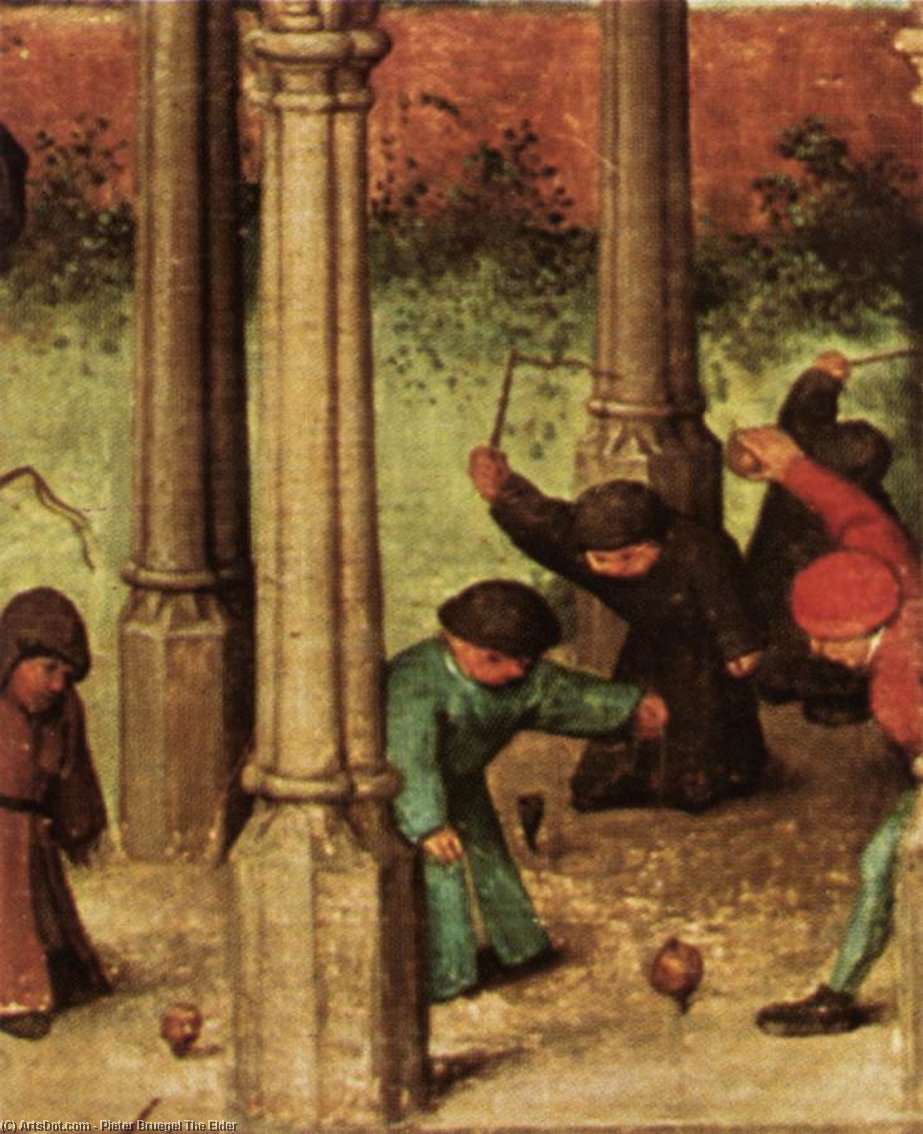
Explore Pieter Bruegel’s ‘Children’s Games’ (1560). A vibrant Renaissance masterpiece depicting Flemish childhood. Discover detailed oil paintings & historical art.
Pieter Bruegel the Elder (c. 1525-1569): Renaissance master of landscapes & peasant life. Explore his detailed scenes, innovative chiaroscuro, and lasting influence on Dutch art. Discover iconic works!
Explore Vienna's artistic soul at the Kunsthistorisches Museum! Discover masterpieces by Raphael, Rembrandt, Vermeer & ancient treasures from Egypt to Rome.
A World in Miniature: Exploring Bruegel’s *Children's Games* (detail)
Pieter Bruegel the Elder’s *Children's Games*, even in detail, offers a captivating glimpse into 16th-century life. This fragment of the larger composition isn’t merely a depiction of play; it’s a meticulously observed snapshot of childhood, societal structures, and the very essence of human nature. Painted in 1559, this oil-on-panel work resides within the prestigious Kunsthistorisches Museum in Vienna, beckoning viewers to lose themselves in its intricate details.
Subject & Narrative: A Kaleidoscope of Childhood
The detail showcases a bustling scene filled with boys engaged in various games and activities. The focus is on energetic movement – children chasing balls, seemingly lost in their playful pursuits. Bruegel doesn’t present an idealized vision; the scene feels remarkably *real*, capturing both the joy and perhaps even the minor squabbles inherent in childhood play. The presence of architectural elements—imposing columns—creates a sense of enclosure, subtly contrasting the freedom of the children with the structures of adult society.
Style & Technique: A Masterclass in Observation
Bruegel’s style is characterized by its meticulous detail and keen observation of everyday life. This fragment exemplifies his ability to render textures – from the rough surfaces of clothing to the smooth curves of the balls—with remarkable accuracy. The use of oil paint allows for rich layering and subtle gradations of tone, creating a sense of depth and realism. The composition is densely packed, yet avoids feeling chaotic; Bruegel expertly guides the viewer’s eye through the scene. His technique foreshadows later developments in genre painting, establishing him as a pivotal figure in art history.
Historical Context: Renaissance Life & Leisure
*Children's Games* provides invaluable insight into the leisure activities and social dynamics of children during the Renaissance period. It’s a rare depiction of childhood as a subject worthy of artistic attention, reflecting a growing interest in humanism and everyday life. Bruegel wasn’t simply documenting; he was offering commentary on the world around him. The painting reflects a time when societal roles were becoming more defined, yet childhood still retained an element of freedom and spontaneity.
Symbolism & Interpretation: Beyond Play
While seemingly straightforward, *Children's Games* is rich in potential symbolism. The columns could represent authority or the constraints of society, looming over the carefree activities of the children. The various games themselves might allude to broader themes of competition, cooperation, and the challenges of life. It’s important to note that Bruegel often embedded moralizing elements within his seemingly innocent scenes, inviting viewers to contemplate deeper meanings.
Emotional Impact & Lasting Legacy
This detail evokes a sense of nostalgia and warmth, reminding us of the universal joys of childhood. The energy and vitality of the scene are infectious, drawing the viewer into the world Bruegel created. Bruegel’s influence on subsequent generations of artists is undeniable. His innovative approach to subject matter and his masterful technique paved the way for Dutch Golden Age painting and continue to inspire artists today.
Bringing Bruegel Home: High-Quality Reproductions
For those captivated by the beauty and depth of *Children's Games*, owning a high-quality reproduction is an excellent option. ArtsDot.com offers meticulously crafted, handmade oil paintings that faithfully capture the details and essence of Bruegel’s masterpiece. These reproductions are created by skilled artists dedicated to preserving the legacy of this iconic work.
A Timeless Masterpiece
*Children's Games*, even in a detail like this, remains a testament to Pieter Bruegel the Elder’s artistic genius and his profound understanding of human nature. It is a painting that continues to delight, inspire, and provoke thought centuries after its creation.