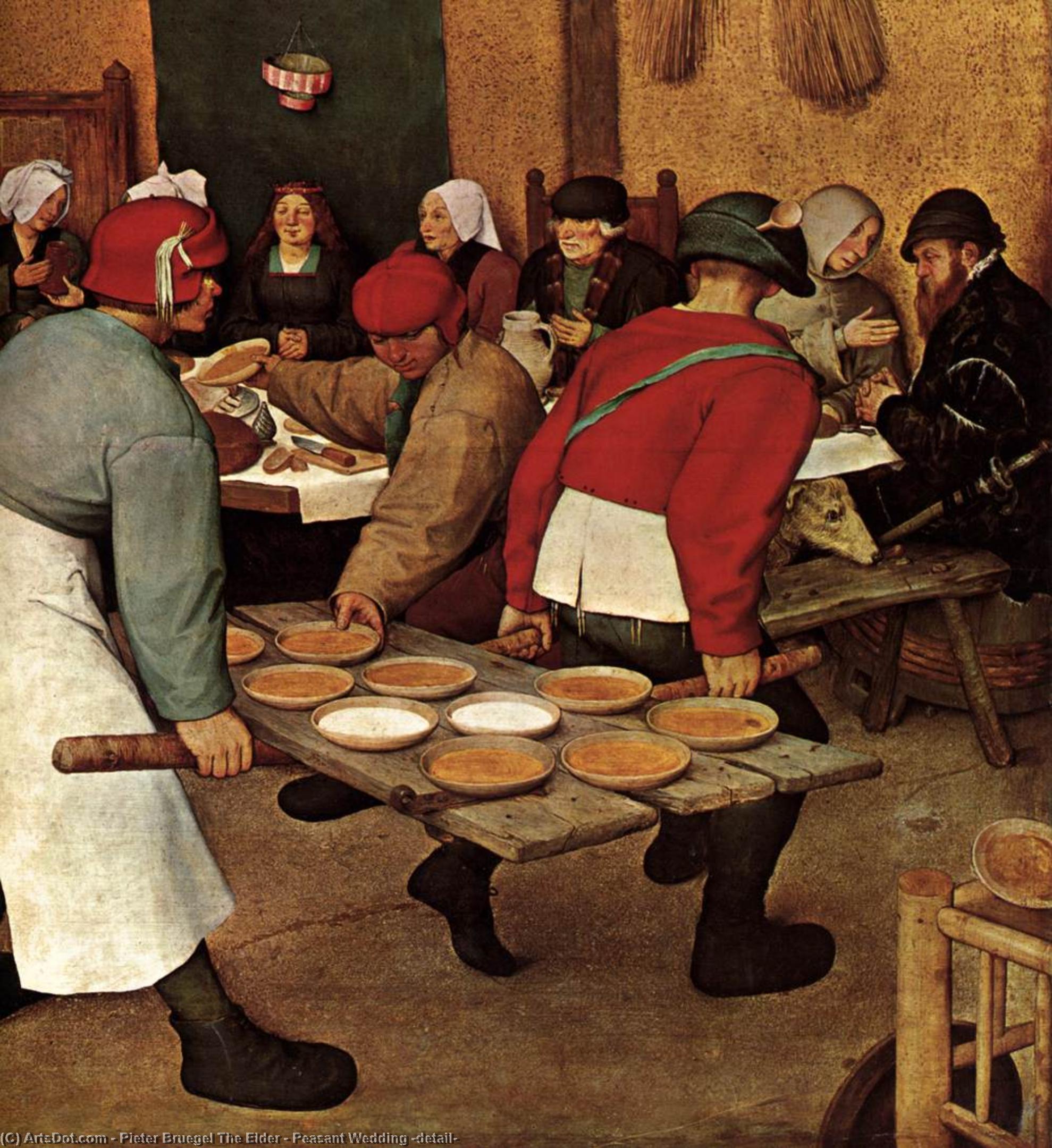
A Window Into Flemish Life: The Soul of Bruegel’s Peasant Wedding
Pieter Bruegel the Elder's “Peasant Wedding”, completed in 1568, is far more than a mere depiction of a festive occasion; it is a masterful snapshot of sixteenth-century Flemish society—a testament to both its vibrancy and its underlying moral complexities. Painted on wood panel with oil pigments, this monumental artwork transcends simple observation, inviting viewers into a meticulously crafted panorama that speaks volumes about the era's values and anxieties. Its enduring appeal lies in Bruegel’s unparalleled ability to capture the essence of human experience through visual storytelling, turning a humble communal meal into an eternal moment of shared humanity.
The painting’s genius resides in its ambitious scale and Bruegel's revolutionary technique known as impasto. Thickly applied paint creates palpable textural surfaces, emphasizing the physicality of the scene and lending it an immediacy that distinguishes it from earlier Renaissance styles. As one gazes upon the crowded banquet table, the eye is guided by a skillful use of light and shadow that sculpts forms and highlights individual figures within the larger composition. The artist’s meticulous attention to detail—from the earthenware jugs brimming with beer to the carefully arranged pies—demonstrates a profound understanding of craftsmanship and contributes significantly to the painting's immersive, tactile quality.
Historical Resonance and Symbolic Depth
To understand this work is to understand the turbulent backdrop of the Protestant Reformation, a period marked by religious division and social upheaval across Europe. While Bruegel avoids overtly didactic pronouncements, the scene subtly reflects anxieties surrounding societal order and moral conduct prevalent during this time. The depiction of a wedding feast—a cornerstone of Flemish tradition—represents not just celebration but also continuity and lineage, values deeply rooted in the cultural fabric of the era. Within the bustling movement of the guests, there is a quiet tension between the joy of the present moment and the shifting religious landscapes that threatened the very foundations of communal life.
The composition functions as a symphony of detail where every element carries weight. The man standing near the left side of the painting, holding a large tray filled with food, serves as an anchor of labor and service amidst the leisure of the feast. The scattered bowls, cups, and spoons are not merely props but symbols of the abundance and the earthy, unpretines nature of peasant life. For the modern collector or interior designer, this piece offers a profound emotional impact; it brings a sense of warmth, historical gravity, and narrative richness to any space, acting as a conversation piece that celebrates the beauty found in the everyday rhythms of human existence.