Pieter Bruegel the Elder (c. 1525-1569): Renaissance master of landscapes & peasant life. Explore his detailed scenes, innovative chiaroscuro, and lasting influence on Dutch art. Discover iconic works!
Explore Vienna's artistic soul at the Kunsthistorisches Museum! Discover masterpieces by Raphael, Rembrandt, Vermeer & ancient treasures from Egypt to Rome.
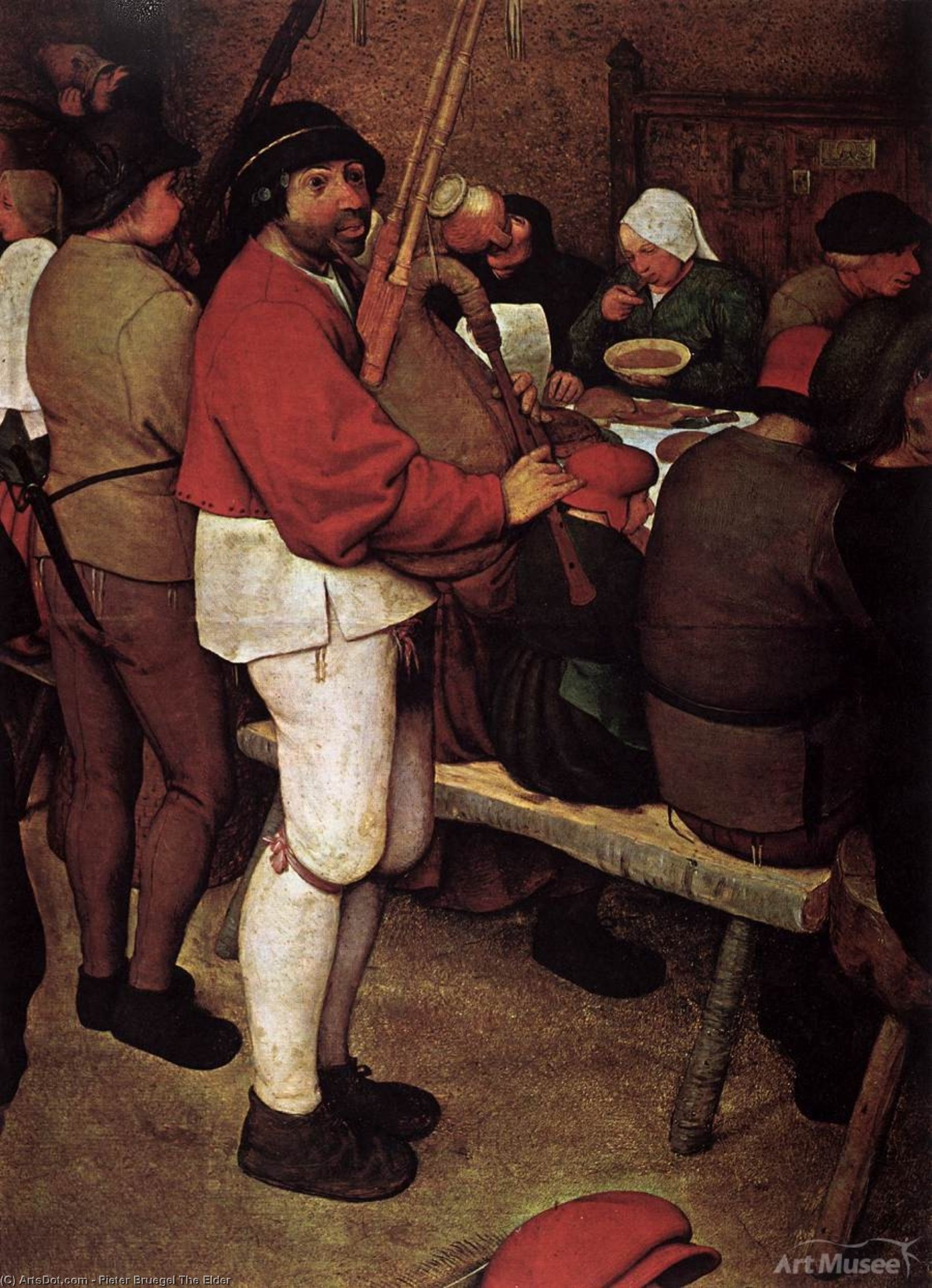
A Window Into Flemish Life: Pieter Bruegel’s ‘Peasant Wedding’
Pieter Bruegel the Elder's “Peasant Wedding,” completed in 1568, isn’t merely a depiction of a festive occasion; it’s a masterful snapshot of sixteenth-century Flemish society—a microcosm reflecting the anxieties and joys of everyday existence during a turbulent era. Painted on wood panel with oil pigments, this monumental artwork transcends simple observation, presenting a complex tapestry woven with meticulous detail and imbued with subtle moral considerations that continue to fascinate scholars today. Its enduring appeal lies in Bruegel’s ability to capture not just what people *did*, but how they *felt*.
Composition and Technique: A Symphony of Impasto
The painting's grandeur stems from its expansive format—measuring approximately 1640 x 1140 centimeters—allowing Bruegel to execute his signature technique of impasto. Thickly applied paint creates palpable textural surfaces, particularly prominent on the banquet table and the straw wall adorned with a bride’s crown. This deliberate manipulation of pigment isn't merely decorative; it serves to heighten visual impact and convey an immediacy that distinguishes Bruegel from many of his contemporaries. The artist employs a pyramidal composition, drawing the viewer’s eye upwards towards the central figure—the bride—creating a dynamic interplay between foreground and background elements. Careful attention to perspective contributes to the illusionistic depth, immersing the observer in the bustling scene.
Historical Context: Reformation Shadows and Rural Resilience
“Peasant Wedding” emerged during the Protestant Reformation's grip on Europe, specifically within the Duchy of Brabant—Bruegel’s birthplace—where religious tensions fueled social unrest. Yet, amidst these uncertainties, Bruegel portrays a scene rooted in tradition – a wedding celebration embodying communal bonds and familial piety. The depiction reflects the importance of rural life and agricultural prosperity to the Flemish economy at the time, highlighting the values cherished by ordinary people facing challenging circumstances. The painting subtly critiques societal norms—the bride’s silence before marriage, for instance—suggesting Bruegel's humanist perspective on human behavior and moral responsibility.
Symbolism: More Than Meets the Eye
Beyond its surface narrative, “Peasant Wedding” is laden with symbolic representations. The large shoes positioned prominently at the front of the painting are interpreted as an allusion to the German proverb "auf großem Fuß leben" – to live in great style—a commentary on materialism and social ambition juxtaposed against the simplicity of rural life. Similarly, the bride’s crown, adorned with a paper flower, symbolizes purity and honor, reflecting prevailing beliefs about marriage and femininity. The artist's deliberate use of color—warm reds and yellows dominating the banquet table—evokes feelings of warmth, abundance, and festive merriment.
Emotional Impact: A Timeless Reflection on Humanity
Ultimately, “Peasant Wedding” resonates deeply with viewers because it captures a universal human experience – celebration, connection, and the passage of time. Bruegel’s masterful portrayal transcends its specific historical context, offering an enduring meditation on the complexities of human relationships and the beauty found in ordinary moments. It remains a testament to Bruegel's genius as an artist and his profound understanding of the human condition—a painting that continues to inspire awe and contemplation centuries after its creation.