Religionist: A Window into Northern Renaissance Soul
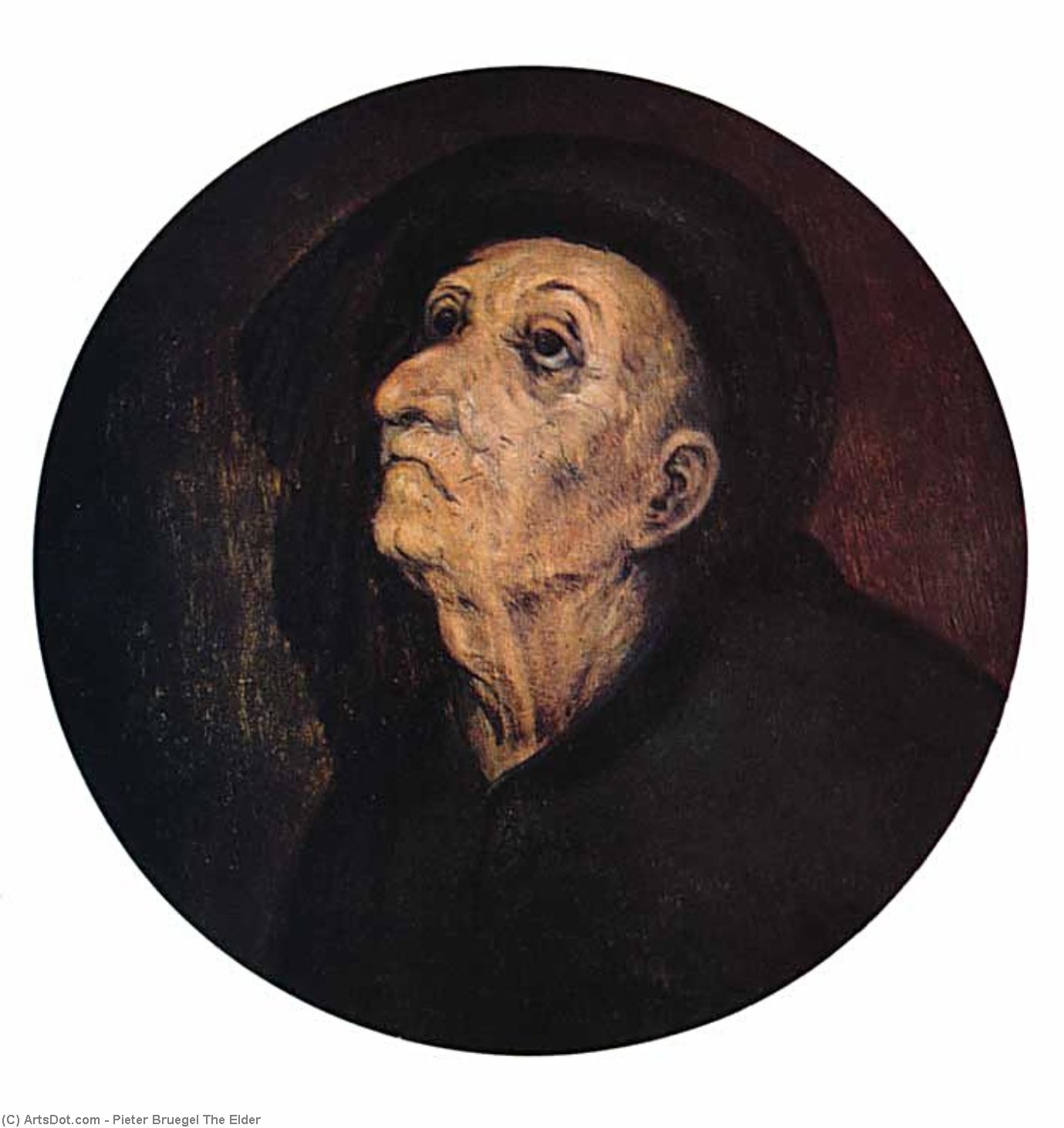
Pieter Bruegel the Elder’s “Religionist,” painted circa 1566, stands as a monumental achievement of genre painting—a genre that championed everyday life and human experience—and embodies the spirit of the burgeoning Northern Renaissance. Unlike the idealized beauty favored by Italian artists of his time, Bruegel confronts viewers with a starkly realistic depiction of a solitary monk contemplating a crucifix.
- Subject Matter: The painting eschews grand narratives or mythological tales, opting instead for a profoundly intimate portrayal of faith. At its core is the figure of a monk, positioned centrally against a muted, earthy backdrop—a deliberate contrast to the opulent colors characteristic of Italian Renaissance art.
- Style & Technique: Bruegel’s masterful use of chiaroscuro – dramatic contrasts between light and dark – elevates the scene beyond mere observation. Light illuminates the monk's face, highlighting his gaze downwards, while enveloping the crucifix in shadow, symbolizing spiritual contemplation and perhaps doubt. The artist’s meticulous attention to detail extends to every element of the composition, from the folds of the monk’s robe to the textures of the wooden cross.
- Historical Context: Created during a period marked by religious upheaval—the Protestant Reformation reshaping Europe—"Religionist" reflects anxieties about faith and morality prevalent in Northern humanist circles. Bruegel's work anticipates later developments in art history, demonstrating an early embrace of psychological realism and a willingness to depict human emotions with unflinching honesty.
Exploring Symbolism: Layers of Meaning
Beyond its immediate visual impact, “Religionist” is laden with symbolic significance. The crucifix itself represents Christ’s sacrifice and redemption—a cornerstone of Christian belief. However, the monk's downward gaze suggests a deeper preoccupation with existential questions – questioning faith and confronting mortality. The muted color palette reinforces this mood of solemn reflection.
- Color Palette: Bruegel employs a restrained color scheme dominated by browns, ochres, and grays—colors associated with earthiness, humility, and asceticism. These hues serve to emphasize the monk’s solitude and underscore the painting's contemplative atmosphere.
- Compositional Arrangement: The central placement of the monk draws attention to his inner turmoil, while the crucifix serves as a focal point for spiritual contemplation. Bruegel skillfully utilizes perspective to create depth and convey a sense of psychological realism—a departure from traditional artistic conventions.
Legacy & Emotional Resonance
"Religionist" continues to resonate with viewers today because it captures something fundamental about the human condition: the struggle to reconcile faith and reason, joy and sorrow. Bruegel’s pioneering approach to genre painting established a precedent for portraying everyday life with psychological insight—a legacy that extends far beyond his own lifetime.
- Influence on Later Artists: Bruegel's innovative technique and thematic concerns profoundly impacted subsequent generations of painters, particularly those working in the Dutch Golden Age. Artists like Rembrandt and Frans Hals drew inspiration from Bruegel’s masterful use of chiaroscuro and his ability to convey complex emotions.
- Interior Design Inspiration: The painting’s quiet dignity and contemplative mood make it an ideal subject for interior design projects—particularly those seeking a sense of serenity and intellectual stimulation. Reproductions of “Religionist” can bring a touch of Northern Renaissance artistry into modern homes.
A testament to Bruegel's genius, "Religionist" remains a powerful reminder that art can illuminate the deepest recesses of human experience—a timeless masterpiece deserving of admiration and contemplation.