Piotr Michałowski (1800-1855) was a leading Polish Romantic painter renowned for captivating portraits & dynamic oil studies of horses, especially Napoleonic battles like Somosierra. Explore his legacy at the National Museum in Kraków & ArtsDot!
Discover the Sigismund II Augustus Tapestry Collection at Wawel Royal Castle in Krakow, a UNESCO site where Renaissance splendor and Polish history await your exploration through its majestic halls and royal treasures.
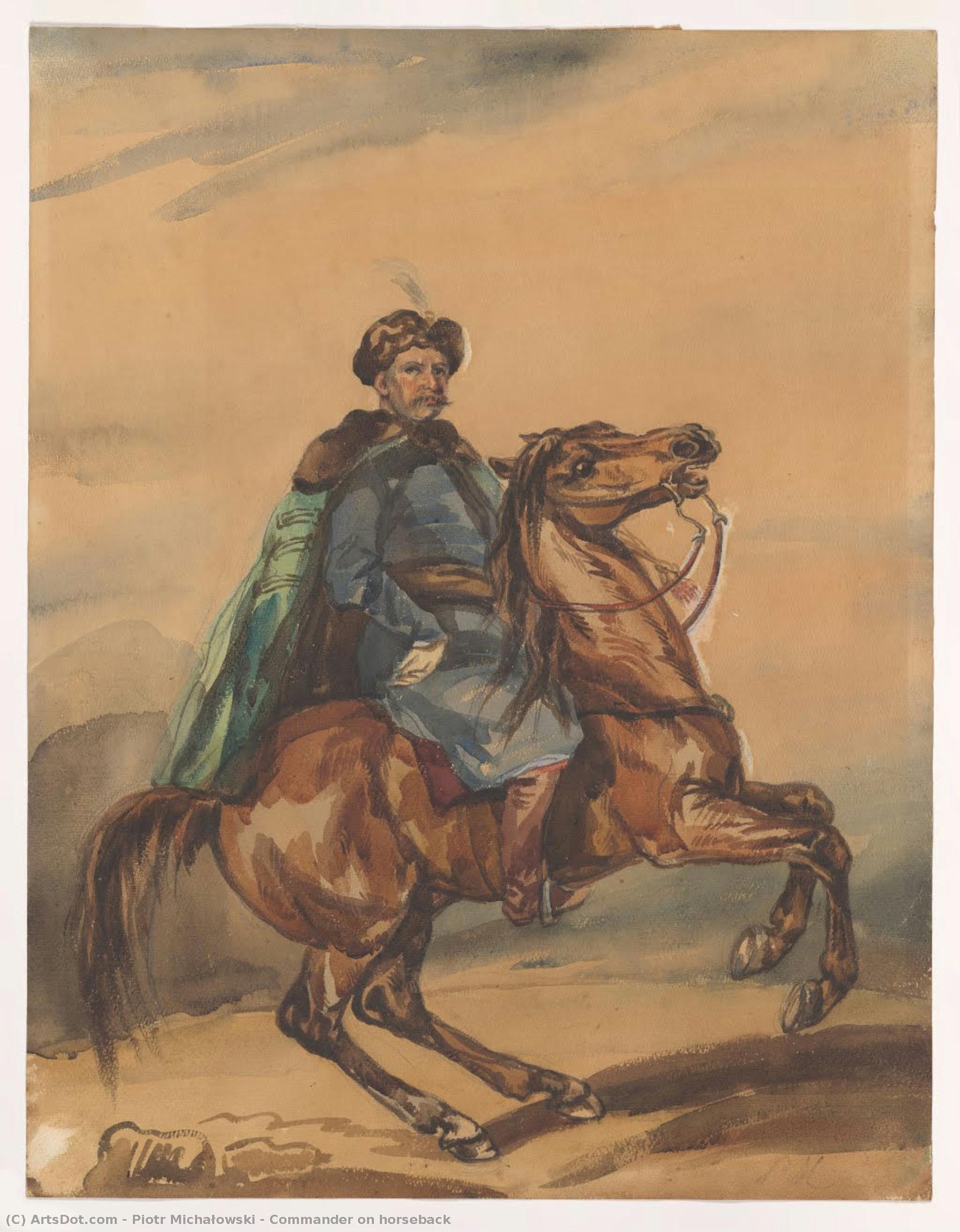
Commander on Horseback – Piotr Michałowski’s Romantic Vision
Piotr Michałowski (1800-1855) stands as a pivotal figure in Polish Romantic painting, celebrated for his masterful depictions of equestrian portraits and dynamic oil studies capturing the grandeur of Napoleonic battles. His artwork transcends mere representation; it embodies the spirit of an era grappling with national identity and fueled by admiration for heroic leadership—a legacy cemented through exhibitions at Kraków’s National Museum and preserved in detailed reproductions offered by ArtsDot.
Subject Matter & Historical Context
Michałowski's “Commander on Horseback” delves into a specific moment frozen in time: Napoleon Bonaparte astride a grey horse, poised before the Somosierra Pass during his retreat from Spain in 1834. This scene wasn’t simply a battlefield depiction; it was imbued with profound symbolic significance reflecting Poland’s yearning for liberation and its fervent devotion to Napoleon as a symbol of defiance against Russian oppression. Michałowski meticulously researched historical accounts and Napoleonic iconography, striving to convey not just the visual spectacle but also the psychological drama unfolding within the tableau.
Style & Technique – Watercolor and Pencil Drawing
Executed primarily in watercolor and pencil drawing, Michałowski’s technique exemplifies Romantic artistic principles. Watercolor lends itself beautifully to capturing atmospheric effects—the misty haze of the mountainous terrain—while pencil provides precise detail for rendering the horse's musculature and Napoleon’s attire. The artist employed a layered approach, building up tonal values gradually to achieve remarkable depth and luminosity. Careful blending and subtle shading contribute to an overall impression of realism tempered by expressive brushstrokes that convey emotion and dynamism.
Symbolism & Emotional Impact
Beyond its factual representation of a historical event, “Commander on Horseback” resonates with deeper symbolic themes. The horse itself represents strength, nobility, and unwavering resolve—qualities mirrored in Napoleon’s posture and gaze. His downward glance towards the flanking grenadiers signifies his awareness of the soldiers' admiration for him, highlighting the importance of morale and unity during times of crisis. Michałowski skillfully captures this psychological dimension, inviting viewers to contemplate not only what is seen but also what is felt—a testament to the artist’s ability to evoke profound emotional responses.
Further Exploration & Reproduction
To appreciate Michałowski's artistic genius fully, visit the National Museum in Kraków and explore ArtsDot for high-quality reproductions of “Commander on Horseback.” These meticulously crafted prints allow you to bring this iconic artwork into your home or studio, experiencing its beauty and historical significance firsthand.